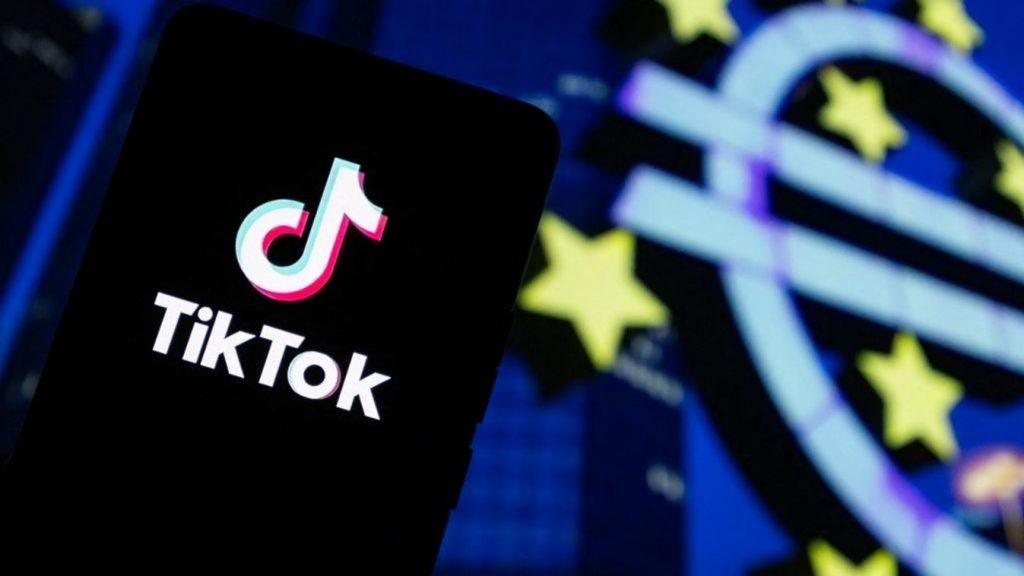



TikTok has been charged by the European Union with breaching online content rules over features regulators say are designed to be addictive, a move that could expose the platform to fines of up to 6% of its owner ByteDance’s global turnover.
The European Commission said on Friday that its charges focus on TikTok’s app design, including infinite scroll, autoplay, push notifications and a highly personalised recommender system. Regulators argue these features encourage compulsive use and fuel an urge to keep scrolling.
The action follows a year-long investigation under the EU’s Digital Services Act (DSA), which requires large online platforms to take stronger measures against illegal and harmful content. According to the Commission, TikTok failed to adequately assess the risks posed by its design to users’ physical and mental wellbeing, particularly children and vulnerable adults.
EU regulators accused the company of overlooking key indicators of compulsive use, such as the amount of time minors spend on the app at night and how frequently users open it. They also said TikTok appeared to lack effective safeguards, including sufficient screen-time management and parental control tools, and must change the basic design of its service in Europe.
“So now we are expecting after that … TikTok has to take actions and they have to change the design of their service in Europe to protect our minors,” EU tech chief Henna Virkkunen told reporters.
TikTok criticised the Commission’s preliminary findings, rejecting claims that its platform breaches EU rules. “The Commission’s preliminary findings present a categorically false and entirely meritless depiction of our platform, and we will take whatever steps are necessary to challenge these findings,” a company spokesperson said as reported in Reuters.
The case highlights the EU’s broader crackdown on major technology companies, a regulatory push that has drawn criticism from the United States over censorship concerns. Meta’s Facebook and Instagram were charged with DSA breaches in October last year over so-called dark patterns, while regulators have also sought information from Snapchat, YouTube, Apple and Google on age verification and protections for minors.
TikTok will be able to review the Commission’s evidence and submit a written response before a final decision is made.
Source: tovima.com



![Λιπάσματα: Πώς ο πόλεμος στη Μέση Ανατολή εκτοξεύει τις τιμές [γράφημα]](https://www.ot.gr/wp-content/uploads/2026/03/photo_2026-03-25_12-21-24-300x300.jpg)













![Λιπάσματα: Πώς ο πόλεμος στη Μέση Ανατολή εκτοξεύει τις τιμές [γράφημα]](https://www.ot.gr/wp-content/uploads/2026/03/photo_2026-03-25_12-21-24.jpg)