

Greece is entering a pivotal stretch on the energy front. At the center of developments are new hydrocarbon exploration agreements with Chevron, a fresh LNG supply deal involving the Vertical Corridor pipeline network and a U.S.-convened ministerial summit on Feb. 24. Together, these milestones could further position Greece as an energy gateway for Southeastern and Eastern Europe.
Chevron Signs Offshore Exploration Agreements in Athens
By Feb. 20, senior executives from Chevron are expected in Athens to sign concession agreements with Greece’s Ministry of Environment and Energy and the Hellenic Hydrocarbons and Energy Resources Management Company (HEREMA).
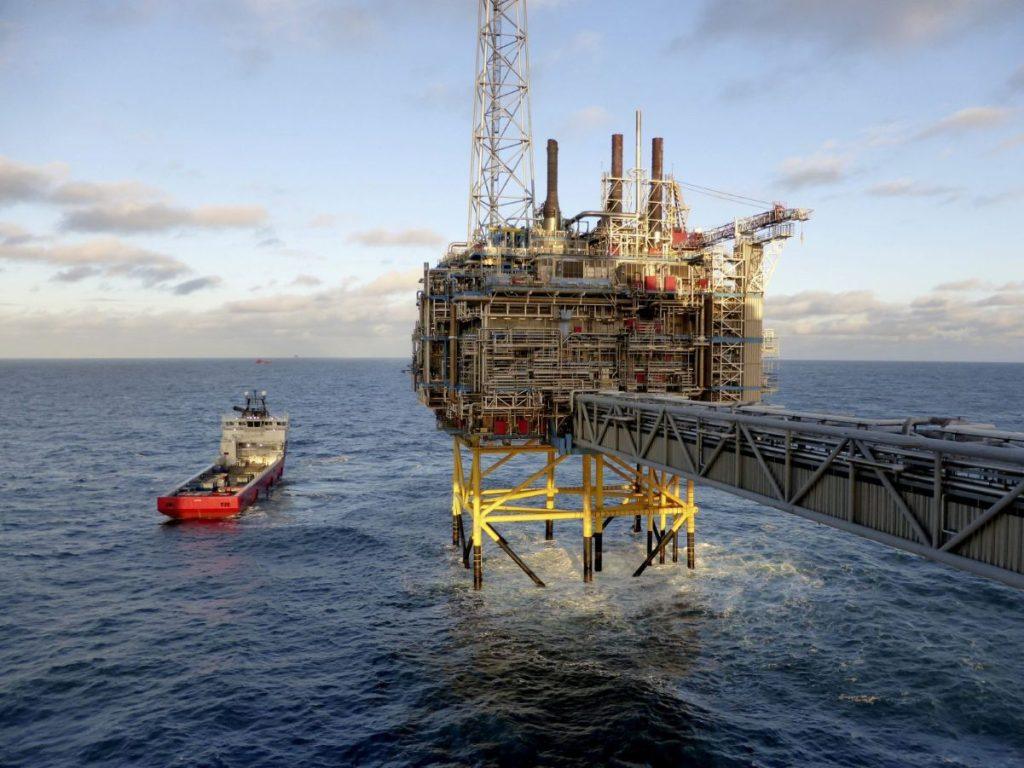
The agreements cover four offshore blocks: “South Peloponnese,” “A2,” “South of Crete I” and “South of Crete II.” Chevron’s partner in the venture is HELLENiQ ENERGY. The combined exploration area spans approximately 47,000 square kilometers.
The contracts are expected to be submitted to Parliament by March for ratification. Once approved, the next phase will involve seismic surveys. Approval of the Environmental Action Plan is expected in the fourth quarter, as set out in the government’s unified policy framework for 2026. Seismic surveys are expected to begin late this year or in early 2027.
Chevron’s regional engagement is not limited to Greece. Company officials are also expected to visit Libya and have already signed an MOU with Turkish Petroleum Corp (TPAO), underscoring broader U.S. interest in hydrocarbon exploration across the Eastern Mediterranean.
The region’s existing and potential gas reserves are widely viewed as a possible future supply source for Europe, particularly as the European Union moves to phase out Russian natural gas beginning in 2027 under a binding regulation.
Washington Meeting Targets Vertical Corridor
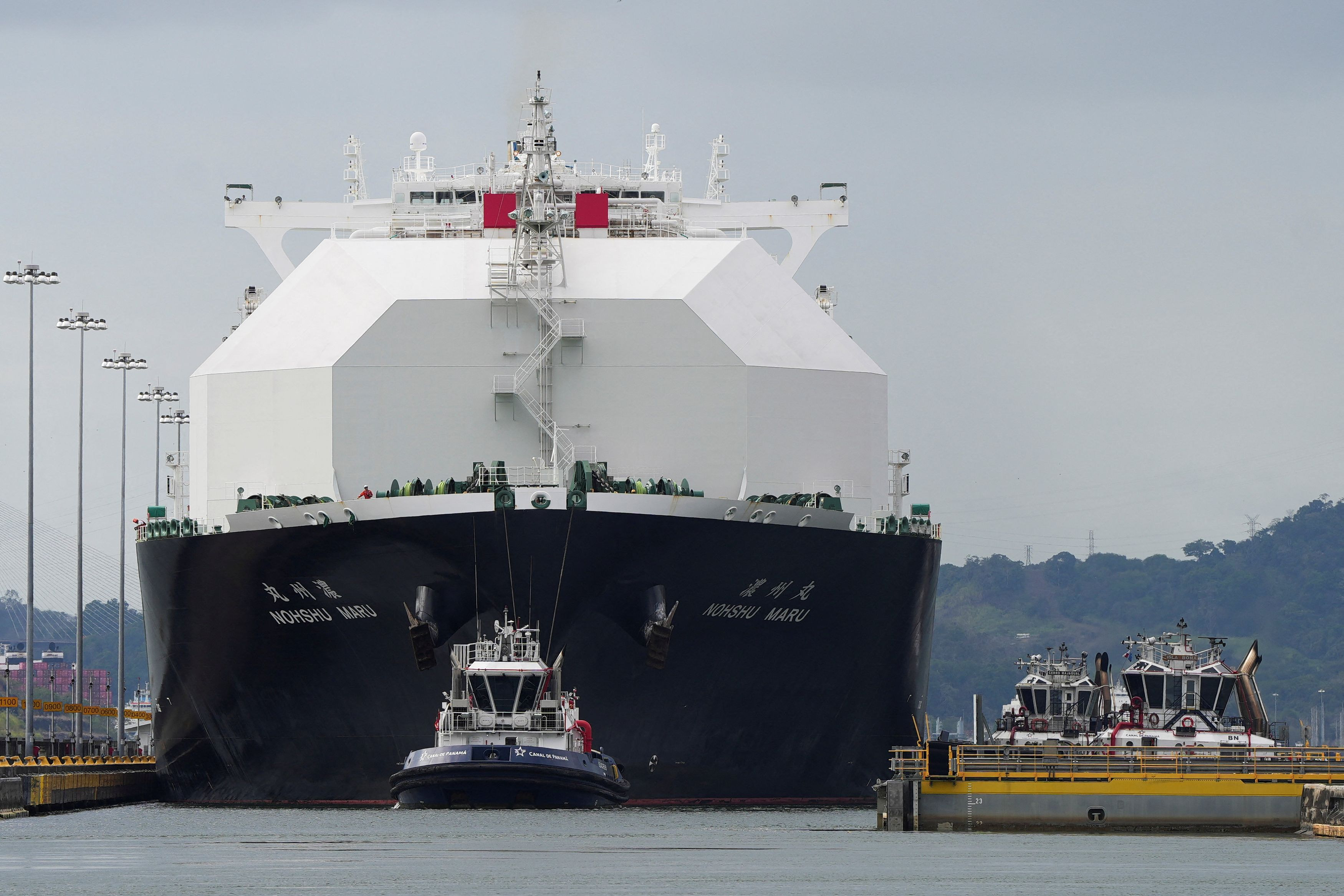
Before any new Eastern Mediterranean gas discoveries can come online, Washington is pushing to replace Russian pipeline gas with U.S.-produced liquefied natural gas, or LNG.
A key route is the so-called Vertical Corridor, which is the much-touted pipeline network linking Greece, Bulgaria, Romania, Moldova and Ukraine. The corridor is designed to move gas northward from Greece into Eastern Europe.
Following agreements signed in Athens last November by ATLANTIC SEE LNG TRADE (a joint venture of AKTOR and DEPA Commercial) for the import of U.S. LNG and its transit through the Vertical Corridor, Greece is now seeking the removal of regulatory and operational obstacles to fully activate the network.
Recent capacity auctions held in December and again days ago for LNG volumes intended to cover Balkan and Ukrainian energy needs were unsuccessful, drawing minimal interest. Greek officials have described these challenges as “growing pains,” while criticism has also been directed at the European Commission for not advancing the necessary regulatory framework in time for compliant tenders.
In response, the White House has convened a mini-ministerial meeting for Feb. 24 in Washington, bringing together the countries participating in the Vertical Corridor along with energy companies. According to U.S. Special Envoy for Global Energy Integration Joshua Volz, the aim is to examine obstacles and take initiatives to ensure the corridor’s full operation. The U.S. ambassador to Greece, Kimberly Guilfoyle, has also intervened publicly in support of the effort.
New LNG Deal Expected From ATLANTIC
Another key development is anticipated at the Feb. 24 meeting.
ATLANTIC is in talks to secure up to 15 billion cubic meters (bcm) of U.S. LNG annually for 20 years, with the goal of supplying Southern Europe. The agreement, according to statements by AKTOR CEO Alexandros Exarchou to Reuters, is expected to be ratified in Washington.
The negotiations come as Europe prepares to halt Russian natural gas imports by the end of 2027, intensifying competition for long-term LNG supply contracts and increasing pressure on governments to prevent energy shortages.
Big Business in Eastern Europe’s Gas Market
The countries participating in the Vertical Corridor network, namely Greece, Bulgaria, Romania, Moldova and Ukraine, currently consume around 50 bcm of natural gas annually. Projections indicate that consumption could reach 68 bcm by 2030.
That implies an additional 18 bcm of demand within five years. At the same time, the ban on Russian gas from 2028 is expected to create further supply needs of 15 to 16 bcm.
Source: tovima.com





![Λιπάσματα: Πώς ο πόλεμος στη Μέση Ανατολή εκτοξεύει τις τιμές [γράφημα]](https://www.ot.gr/wp-content/uploads/2026/03/photo_2026-03-25_12-21-24.jpg)
![Κτηνοτροφία: Μπροστά στην τέλεια καταιγίδα ενόψει Πάσχα – Φόβοι για ελλείψεις [γραφήματα]](https://www.ot.gr/wp-content/uploads/2026/03/ktinotrofia.farma_.lefta_.jpg)