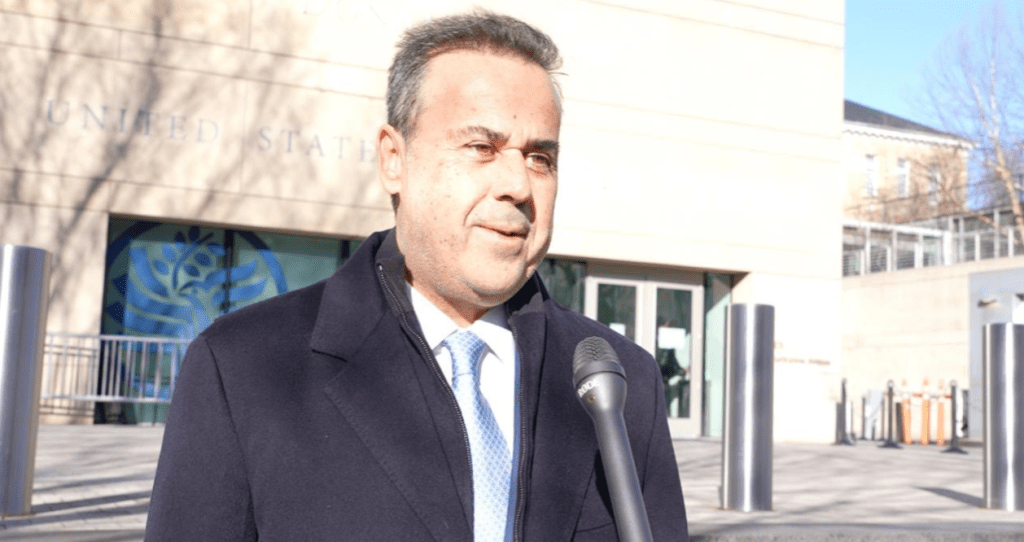




Speaking in Washington ahead of a transatlantic summit focused on natural gas security and the so-called Vertical Corridor, Greece’s environment and energy minister, Stavros Papastavrou, said the country’s investments in energy infrastructure were designed to turn it into a key gateway for gas flows into Southeast Europe.
The event, hosted by the Donald Trump Institute for Peace, comes as European governments continue to reshape supply routes after the collapse of decades of dependence on Russian energy.
“Greece laid the foundations for the Vertical Corridor,” Mr. Papastavrou said, describing the project as a deliberate effort to convert Greece’s geographic position into geopolitical leverage. He argued that the initiative, combined with partnerships with major companies such as Chevron and Exxon Mobil, would strengthen Europe’s energy security while drawing new investment into Greece.
The Vertical Corridor is not a single pipeline, but a network of interconnections linking gas infrastructure from Greece northward through Bulgaria, Romania and further into Eastern and Central Europe. The system has gained prominence since Russia’s full-scale invasion of Ukraine pushed European countries to diversify supplies and rely increasingly on imported liquefied natural gas, much of it from the United States.
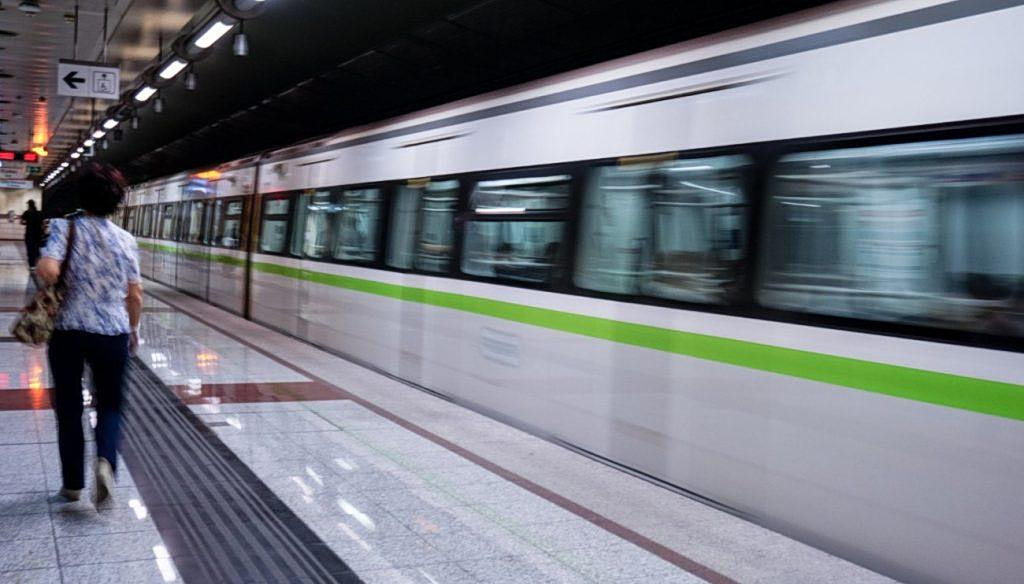
Greece’s role in that system rests largely on LNG infrastructure and cross border pipelines built or expanded in recent years. The Greece Bulgaria interconnector, for example, has become one of the main routes for non-Russian gas into Bulgaria, supplying more than half of the country’s domestic consumption at times and supporting bidirectional flows across the region.
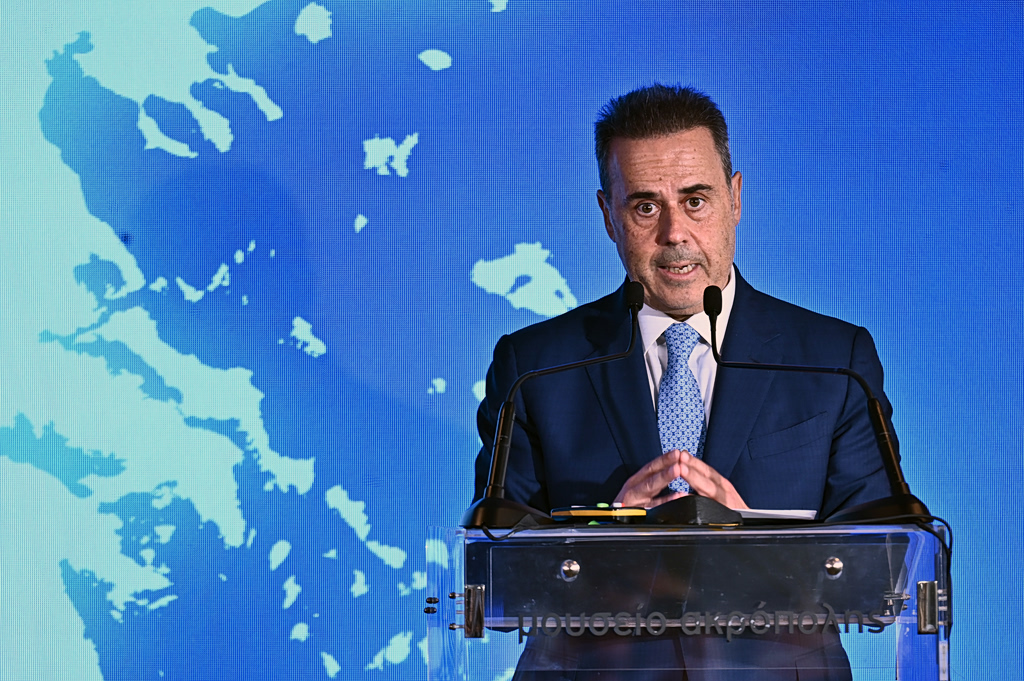
Stavros Papastavrou speaking at the Chevron-HELLENIQ Energy consortium on February 17, 2026.
Greek officials argue that the corridor represents more than an engineering project. Mr. Papastavrou described it as a strategic partnership that broadens Europe’s supply options and elevates Greece’s standing in regional energy planning. In his telling, energy infrastructure has become an extension of foreign policy, linking national growth prospects to broader geopolitical aims.
Yet the wider European debate over LNG and new gas infrastructure remains unsettled. Analysts note that while LNG imports helped Europe replace lost Russian volumes, imported gas often carries higher costs, raising questions about long term competitiveness and demand projections.
At the same time, international energy companies have increased their presence in Greek projects. Chevron has shown interest in offshore exploration areas south of Crete, while Exxon Mobil recently expanded its participation in a gas exploration project in western Greece, moves Athens portrays as evidence that major investors see long term potential in the Eastern Mediterranean.
For Greece, the economic narrative is central. Mr. Papastavrou said the combination of pipeline infrastructure, LNG imports and upstream exploration could translate into jobs and capital inflows while reinforcing the country’s international role.
The minister’s visit follows broader transatlantic energy discussions aimed at deepening cooperation between the United States and Europe on LNG and infrastructure planning, including initiatives under the Partnership for Transatlantic Energy and Climate Cooperation. As officials gather in Washington this week, talks are expected to focus on supply security, coordination of regional networks and the future of LNG routes feeding Southeast Europe.
The underlying message from Athens is ambitious. Greece wants to move from the margins of Europe’s energy debate toward its center. Whether that vision proves durable will depend not only on infrastructure and investment, but also on how quickly Europe’s energy demand, climate policy and geopolitical tensions continue to evolve.
Source: tovima.com