


Greek exports to the Middle East and Gulf states are facing a stress test, as the conflict spreads across the region casting uncertainty over trade routes that carry hundreds of millions of euros in Greek goods each year.
Preliminary data from the Greek official statistics authority, ELSTAT, show that Greek businesses sustained a substantial foothold across the region in 2025, with several markets recording mixed results. What remains unclear is how the escalating geopolitical environment will shape trade flows in the period ahead.
Lebanon and Israel remain the top destinations
Lebanon is Greece’s largest export market in the region, ranking 14th among all Greek export destinations globally. Greek goods shipped to Lebanon were valued at €1.17 billion in 2025; a 4.4% decline from the prior year, though the country remains one of Greece’s most significant non-European trading partners.
Israel holds second place among regional markets, with Greek exports reaching approximately €996 million, a marginal 1% increase year-on-year. The country also climbed one spot in Greece’s overall export rankings, moving to 17th place.
Gulf states show a more mixed picture
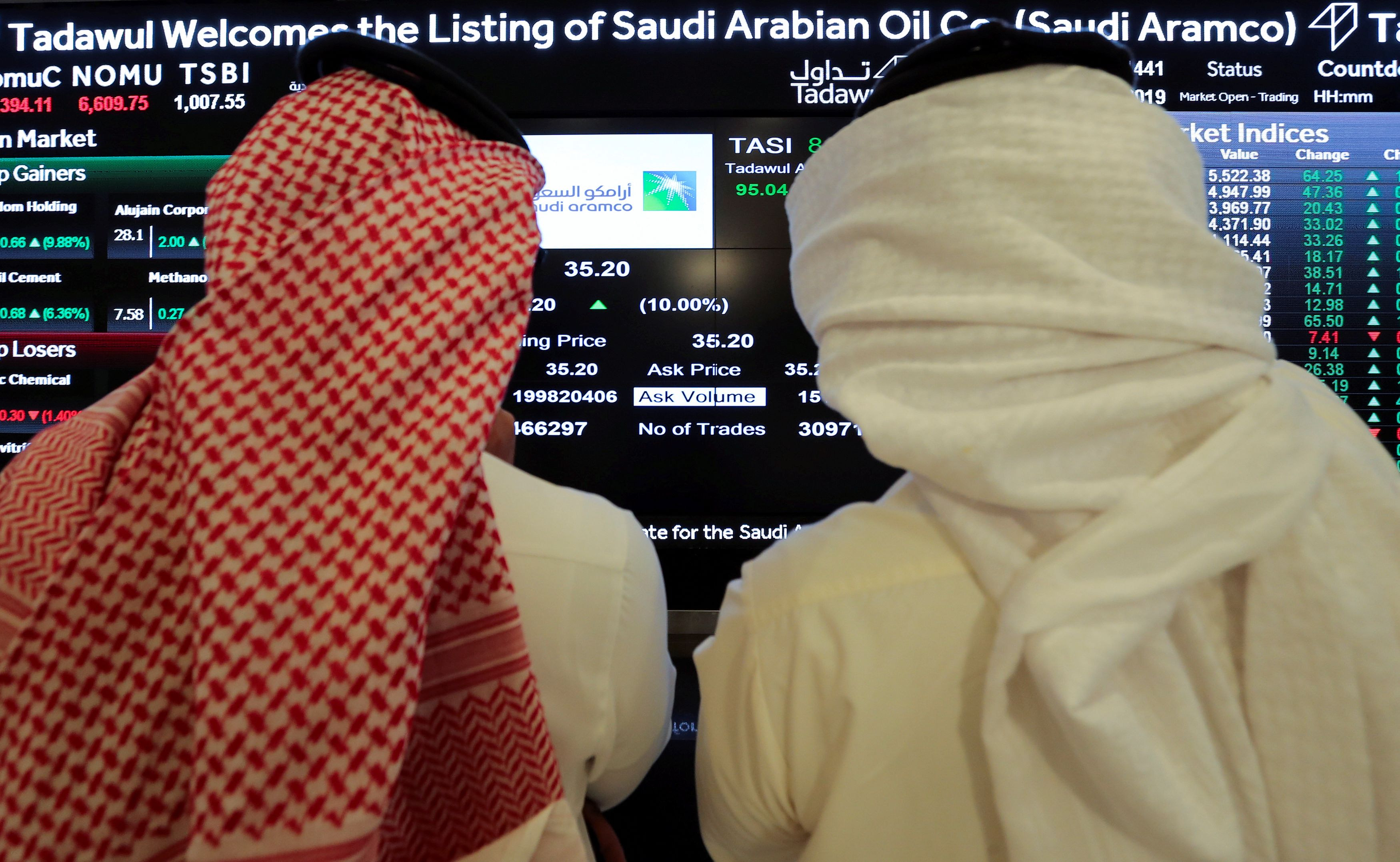
Further along the Gulf, results were uneven. Greek exports to the United Arab Emirates fell 4.5% to €351.8 million. The steepest drop was recorded in Saudi Arabia, where exports contracted by 30.5% to €291.1 million.
Smaller but consistent flows were recorded to Qatar (€61.9 million, down 9.1%), Kuwait (€30.3 million, down 13.4%), Iran (€13.5 million) and Bahrain (€11.1 million).
Shipping lanes add another layer of risk
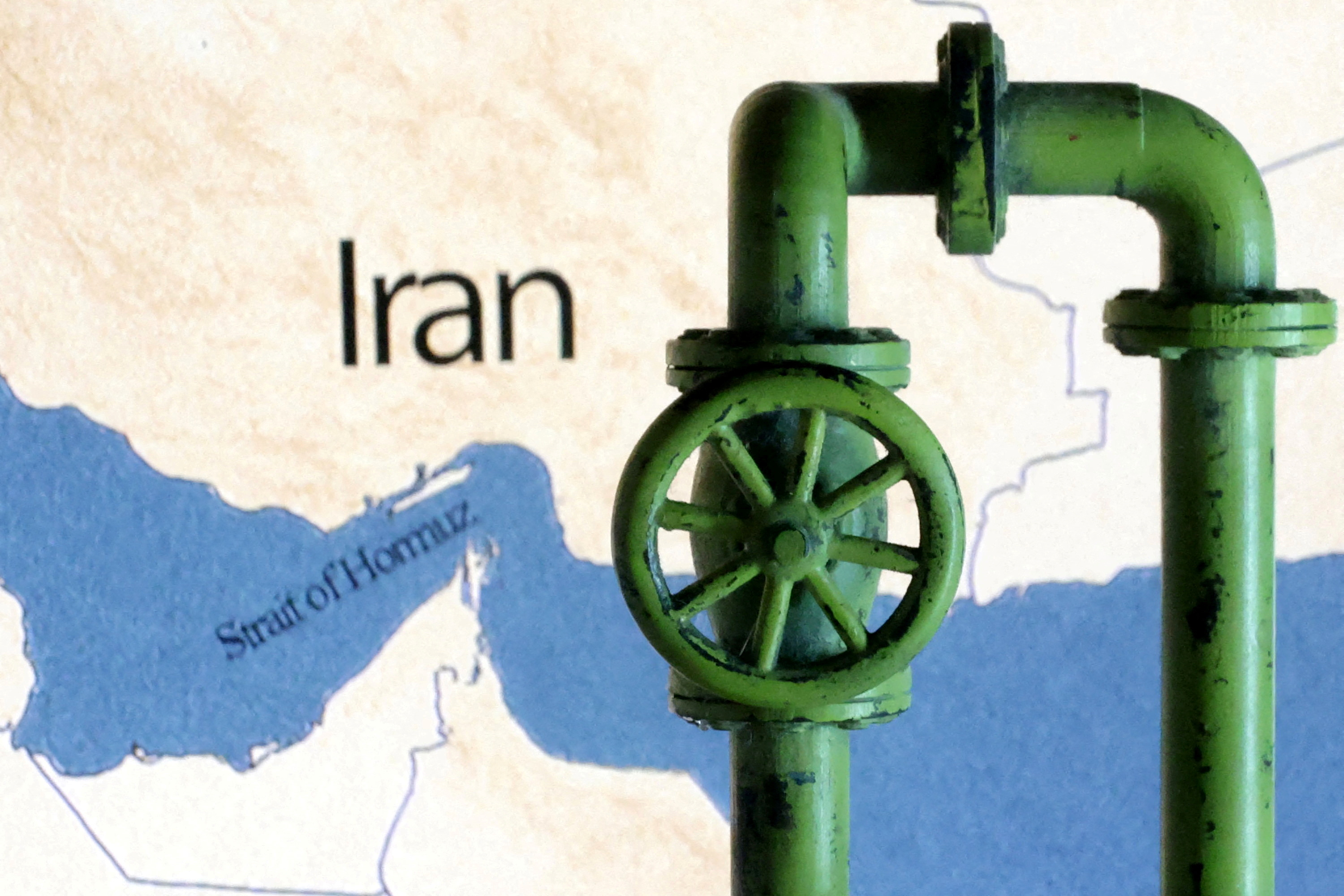
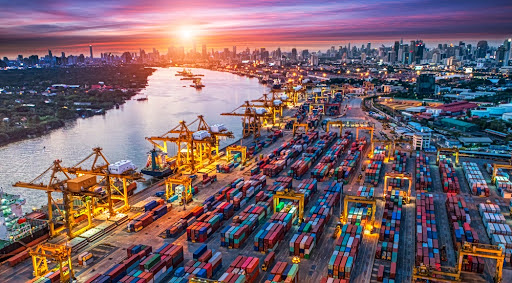
Beyond demand-side pressures, Greek exporters face a separate and potentially acute vulnerability: the security of maritime corridors. The Strait of Hormuz — the narrow waterway through which a significant share of global energy and commercial cargo passes — sits at the center of a region where tensions show little sign of abating. Any escalation that disrupts navigation through this chokepoint could sharply raise freight costs, delay deliveries and compress profit margins for exporters.
For a country whose export economy depends heavily on seaborne trade, disruptions of this kind carry outsized consequences. The months ahead will be telling. How the conflict evolves, and whether key shipping arteries reopen again, will determine whether Greece can maintain its exports in the region.