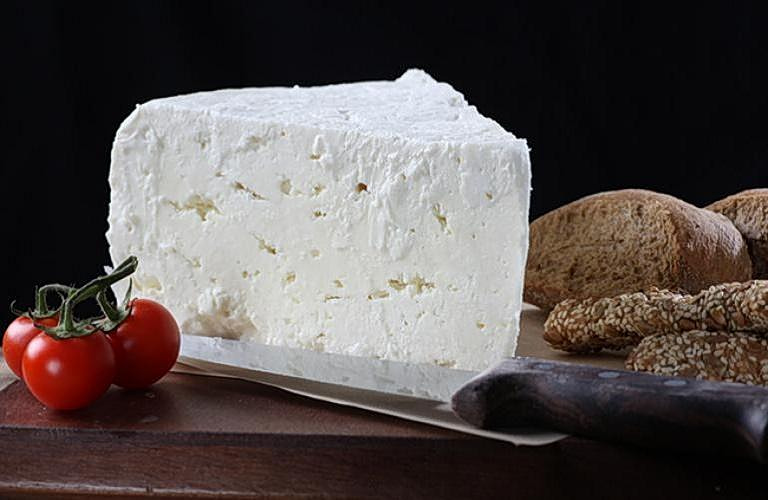




Introduction of Feta, one of Greece’s most iconic food exports, is expected to decline significantly this year due to reduced sheep milk output caused by livestock disease.
According to market estimates, feta production fell by around 10% in the first two months of 2026 alone, reflecting a drop in sheep milk supply. On an annual basis, total production losses are projected to reach approximately 15,000 tons.
Stockpiles Cushion Market Impact
Despite the decline, the market is not facing immediate shortages. Industry sources note that dairy producers typically maintain reserves of 20,000 to 30,000 tons of feta in cold storage, which are currently being used to offset the reduced output.
However, if the situation persists for several more months, major producers may face difficult decisions over whether to prioritize domestic supply or maintain strong export flows.
Exports are expected to remain a priority, as feta continues to be one of Greece’s most successful and dynamic food products internationally.
Disease Impact on Livestock
The drop in milk production is linked to a livestock disease that affected Greek sheep farming throughout 2025, leading to the loss of more than 400,000 animals. While only a limited number of cases have been recorded so far in 2026 due to stricter controls, concerns remain—particularly ahead of the Easter period.
At the same time, producers are holding back more young animals for breeding, aiming to boost milk production later in the year.
Rising Costs and Market Pressures
The reduced supply has already pushed up the producer price of sheep milk, now averaging around €1.60 per kilogram, with some cases exceeding that level.
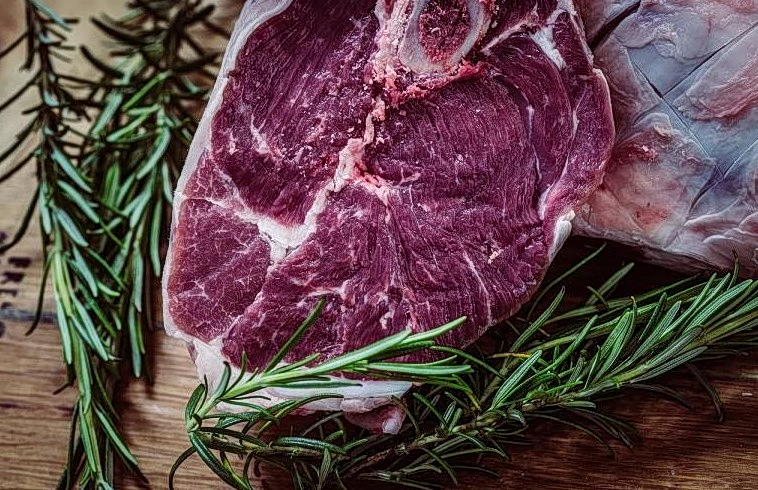
The impact is also expected to be felt in the seasonal meat market, with domestic supply of lamb and goat limited. Retail prices are forecast to exceed €15 per kilogram, while imports are likely to cover much of the demand.
Source: tovima.com