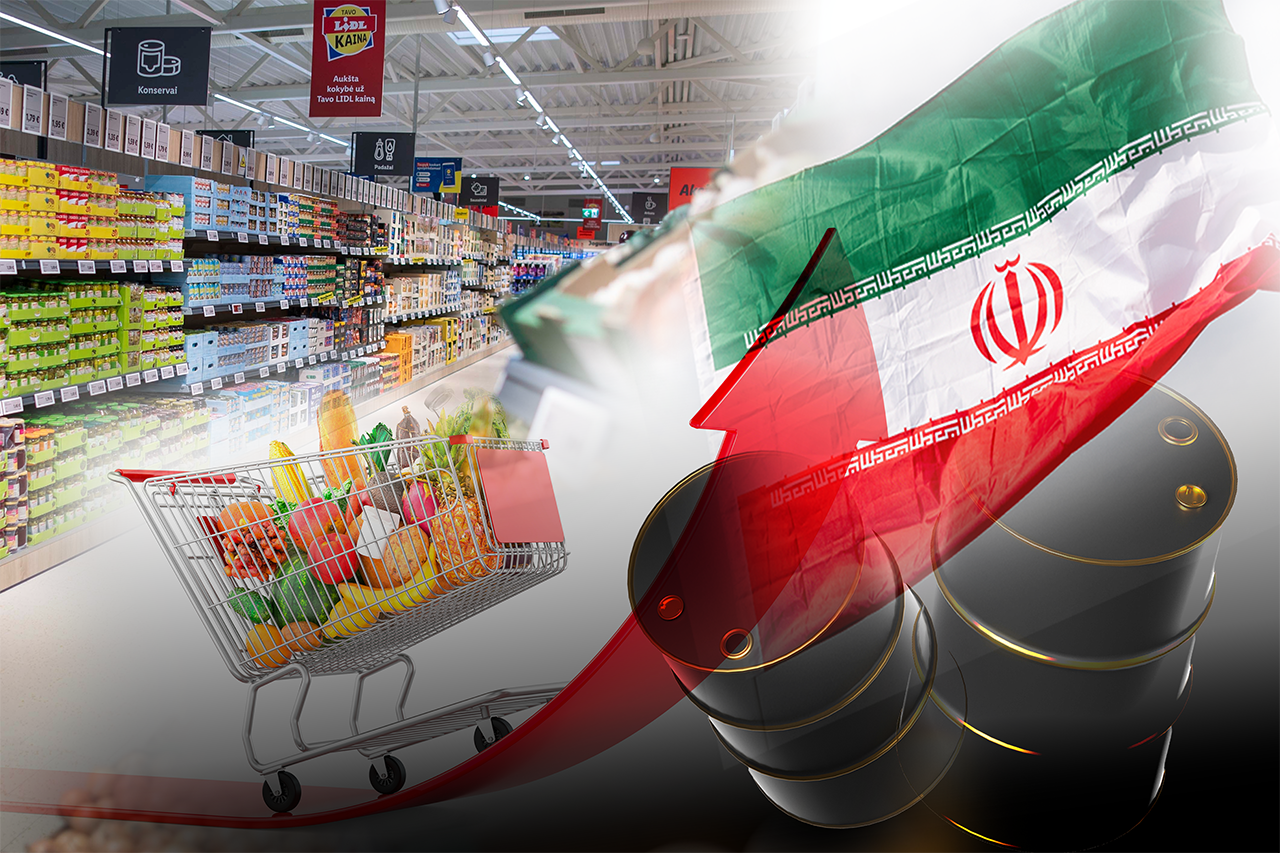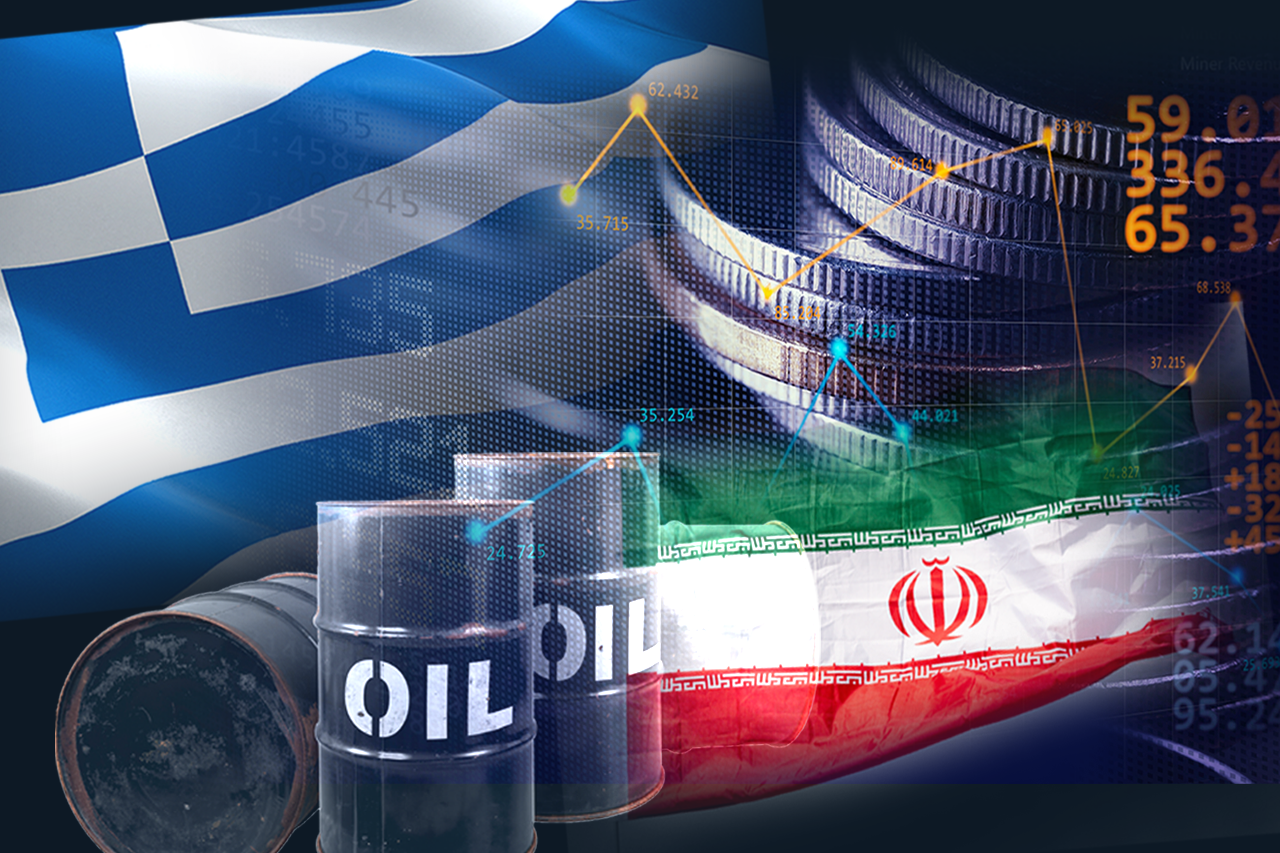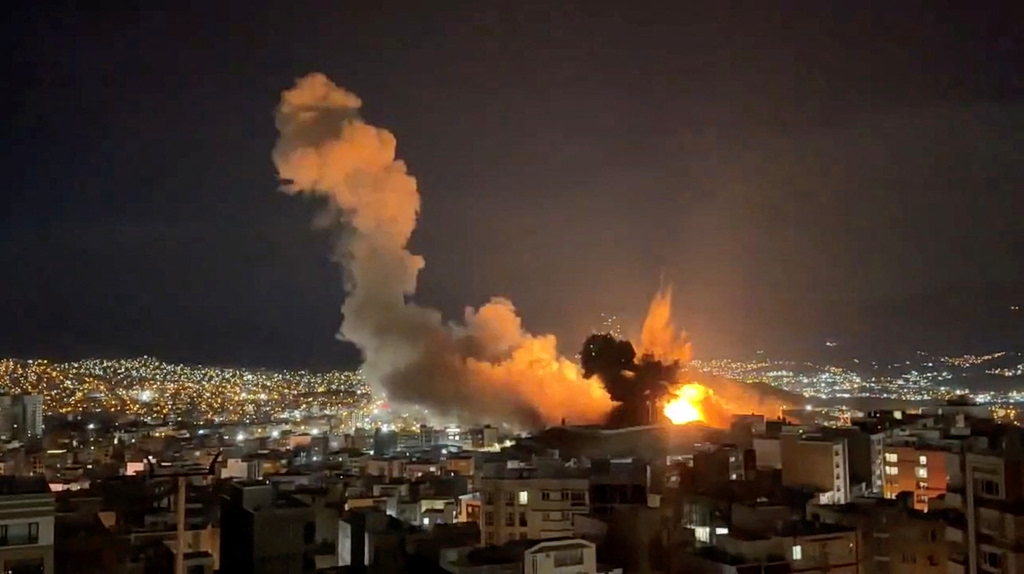


A halt in liquefied natural gas (LNG) production in Qatar is sending shockwaves through global energy markets; and the effects are already being felt far beyond the Persian Gulf.
Oil prices are edging toward $90 a barrel, while analysts at publications including the Financial Times are modeling scenarios in which prices could approach $150 should the supply disruption prove prolonged. Greece, a country that relies heavily on imported energy and had only recently brought inflation back under control after the turmoil of 2022, now faces a renewed threat to that hard-won stability.
Why Qatar Matters
Qatar is one of the world’s largest exporters of liquefied natural gas, supplying roughly one-fifth of the global LNG market. The vast majority of those exports pass through the Strait of Hormuz, one of the most critical energy transit points on the planet.
When a supplier of that scale pulls back, even temporarily, global supply tightens and prices adjust almost immediately.
Greece Isn’t Insulated — Even Without Direct Ties to Qatar
Greece purchases LNG through international contracts and spot markets, primarily via the Revithoussa terminal near Athens as well as newer floating storage and regasification units (FSRUs). If global LNG prices rise because of reduced supply, the next cargo arriving in Greece, whether from the United States or Africa, will simply put cost more.
The Greek electricity market compounds this vulnerability. Gas-fired power plants continue to set the marginal price in the country’s electricity grid — meaning that when gas prices rise, electricity bills follow.
A Fragile Recovery, Now Under Threat
Europe had been cautiously optimistic heading into 2026. After the energy crisis of 2022 — when inflation across the eurozone surpassed 10% — prices had gradually stabilized, with eurozone inflation returning to around 2.5%, according to Eurostat data. That stabilization had paved the way for the European Central Bank (ECB) to begin cutting interest rates gradually through the year.
A new energy shock threatens to reverse that trajectory. Economists estimate that a 30% to 40% rise in oil prices could add one to two percentage points to inflation, depending on how long and severe the disruption proves to be. If that happens, the ECB could find itself forced to keep interest rates elevated longer than markets had anticipated.
Greece’s Particular Vulnerability
Greece is one of the EU’s most energy-import-dependent economies. The bulk of its energy needs are met through imports of oil and natural gas. Rising international prices translate quickly and directly into higher costs at home — first at the fuel pump and on electricity bills, then rippling through transportation, agriculture, manufacturing, and services.
For Greek households, which already spend a significant share of their income on basic necessities, a sustained increase in energy costs could erode real incomes by as much as 3% to 5% within a year.
The strain on the trade balance is equally stark. Greece’s goods trade deficit already exceeds €30 billion. A sharp rise in energy import costs could widen that deficit further — with some estimates suggesting the additional annual energy import bill could reach €3 billion, depending on the severity and duration of the crisis.
Growth at Risk
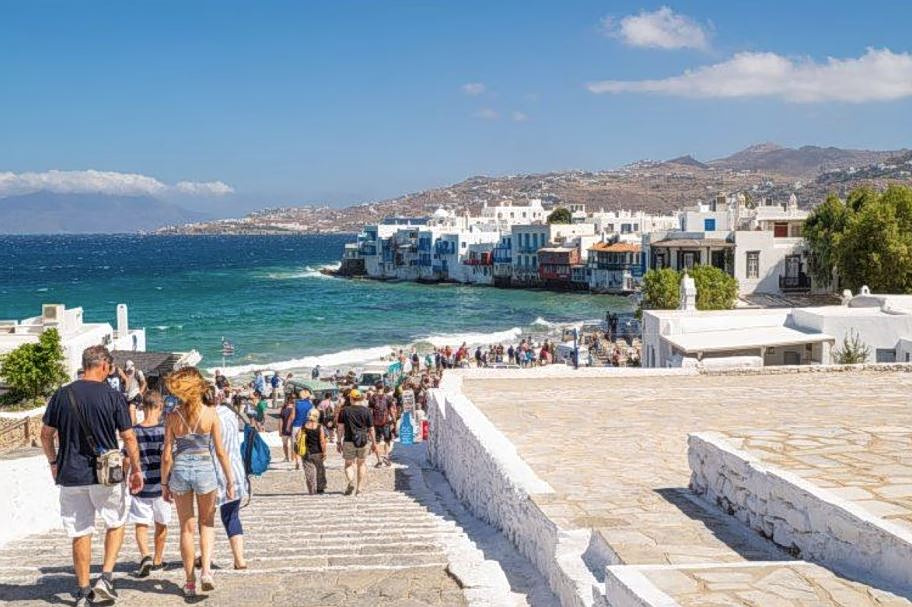
Greece’s economy relies heavily on private consumption and the services sector, particularly tourism. Consumer spending accounts for more than 65% of GDP — an unusually high share that makes the economy especially sensitive to shifts in household purchasing power.
As energy costs rise, households cut back on discretionary spending, businesses face higher production costs, and investment slows. In a scenario of prolonged disruption, economists estimate Greece’s growth rate could fall by between 0.5 and 1 percentage point.
Source: tovima.com