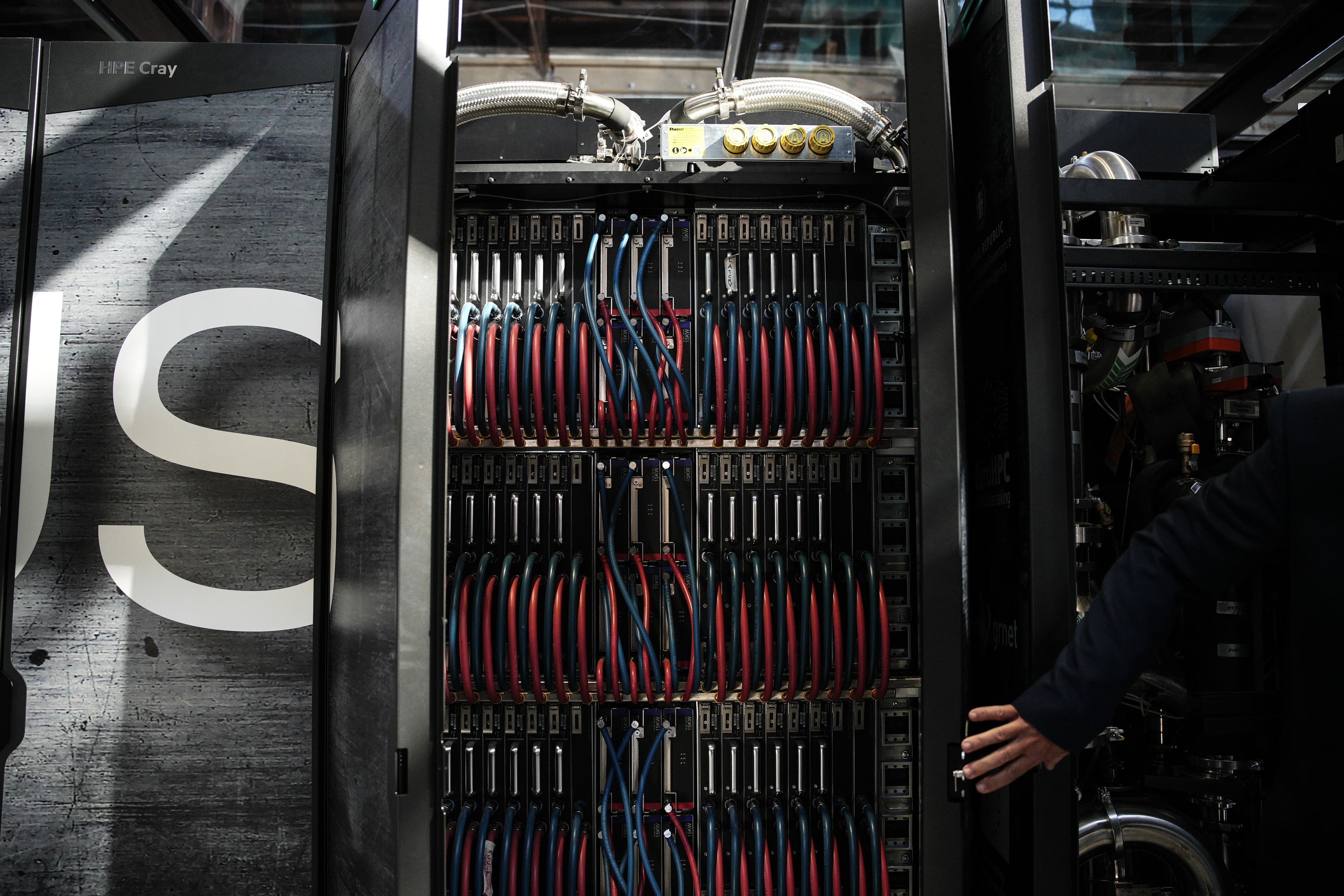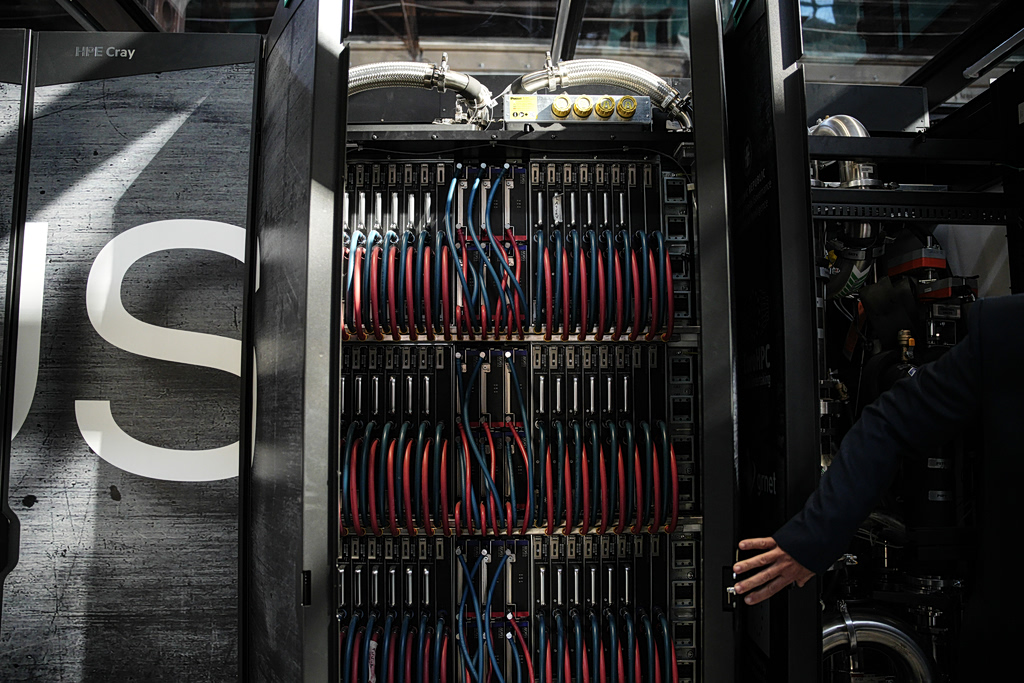



Greece inaugurated its new national supercomputer, DAEDALUS, on Monday, Oct. 19, expanding the computing resources available to researchers and businesses as the government seeks a larger role in the development of artificial intelligence.
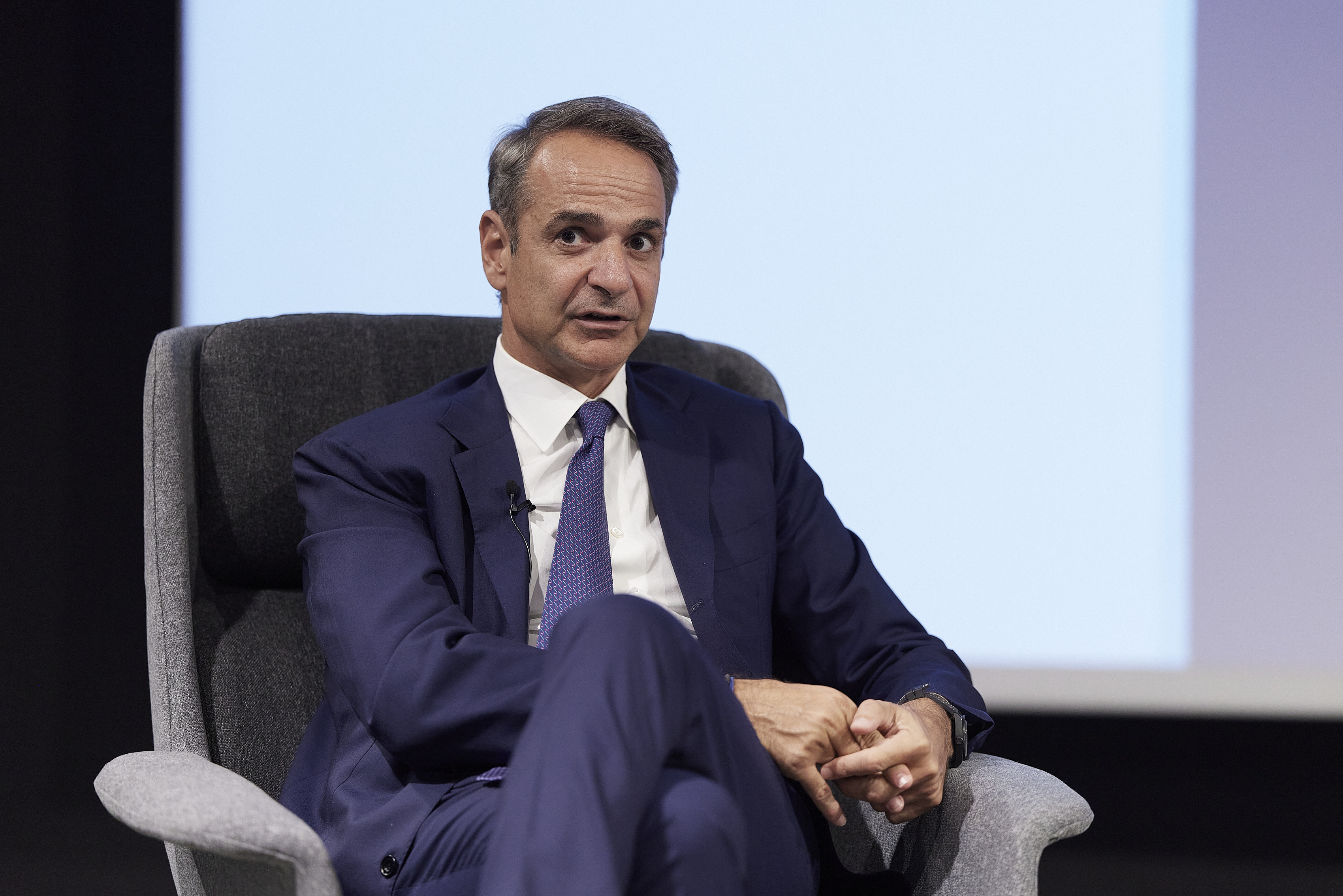
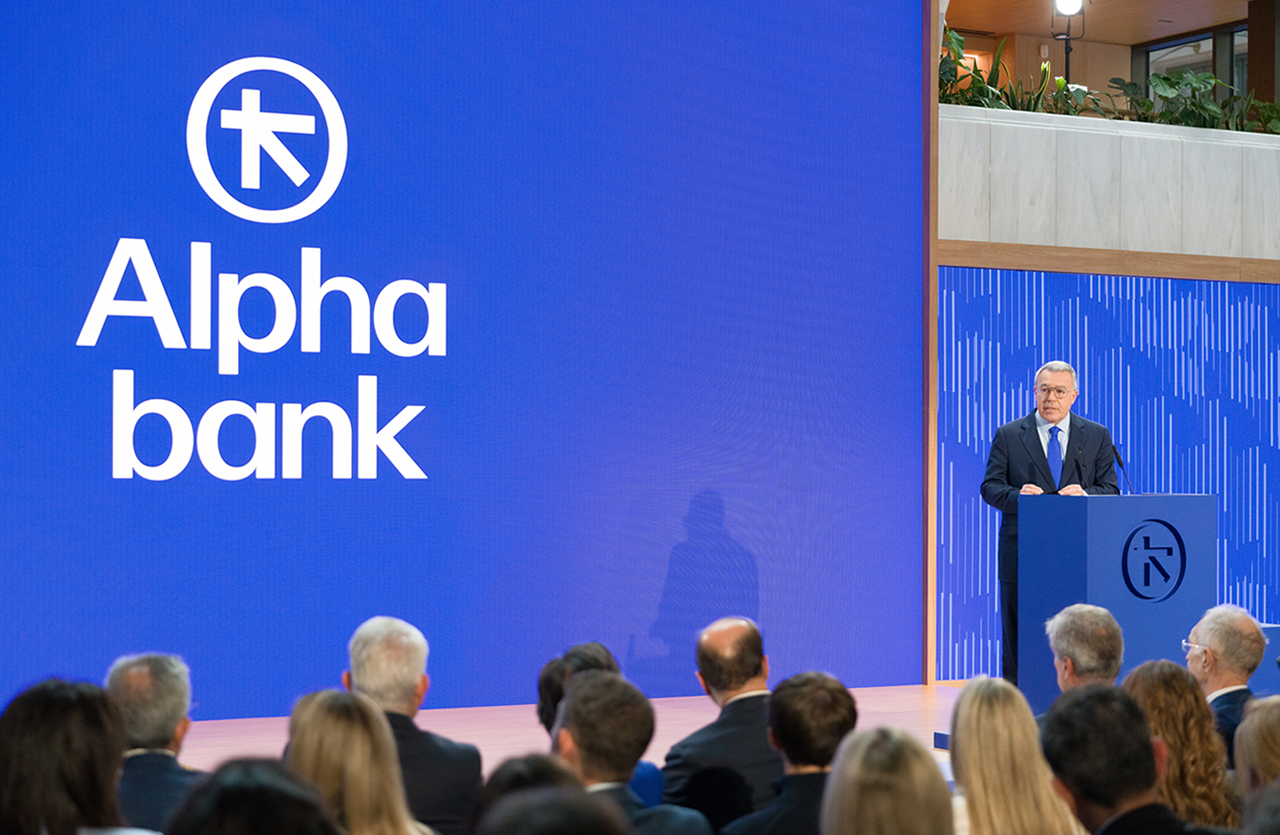
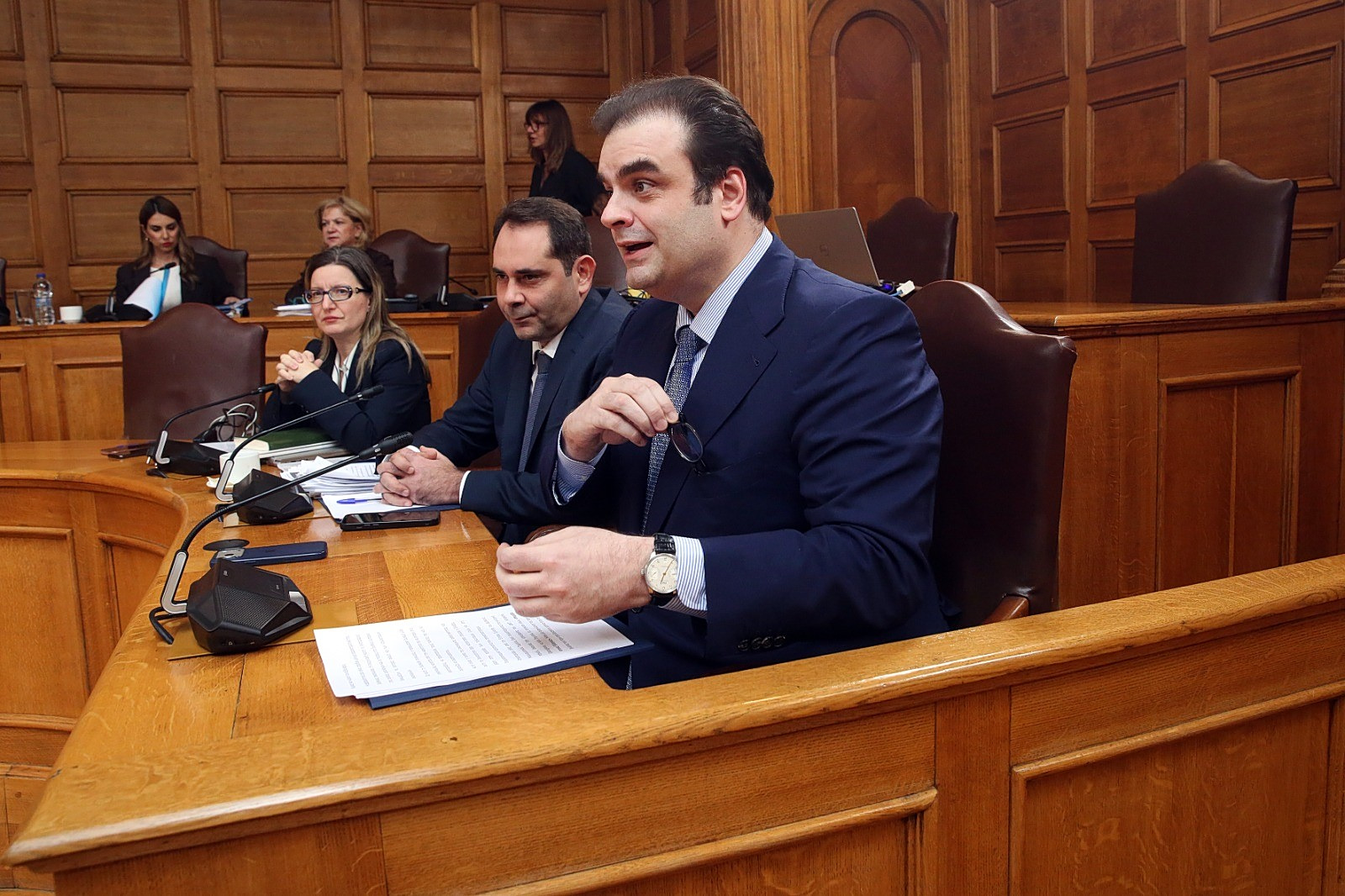
At the inauguration ceremony tha took place at the National Technical University of Athens’ Lavrion Technological and Cultural Park, Prime Minister Kyriakos Mitsotakis presented the €58.9 million project as a long-term investment in the country’s technological capabilities, arguing that access to advanced computing infrastructure would be essential in order for Greece to benefit from AI. He acknowledged, however, that Greece was not in a position to compete with major American technology companies in developing the most advanced AI models. “For Greece, the real competition will be primarily in applications,” Mitsotakis said, pointing to the potential for startups to develop products and services using the new facility.
DAEDALUS recorded a measured performance of 85.69 petaflops, placing it 31st in the June 2026 TOP500 ranking of supercomputers. It also ranked 23rd on the Green500 list, which measures computing performance relative to electricity consumption, according to the European High Performance Computing Joint Undertaking, or EuroHPC JU.
A petaflop measures computing speed and equals one quadrillion floating-point operations per second. Floating-point arithmetic allows computers to calculate with numbers across a wide range of magnitudes, including fractions. DAEDALUS achieved 85.69 quadrillion such operations per second in the benchmark test.
What will Greece use it for?
Operated by Greece’s National Infrastructures for Research and Technology, known as GRNET, DAEDALUS is designed to support scientific simulations, large-scale data analysis and AI development.
GRNET identifies potential applications across computational chemistry, physics, biology, biomedicine and meteorology. Universities, research centers, businesses and public bodies are among its intended users.
The supercomputer will also provide the computing infrastructure for PHAROS, Greece’s AI Factory, a hub intended to combine computing resources with data, software, training and technical expertise to support AI development.
PHAROS will concentrate on health, culture and language, and sustainability, including energy, environmental research and climate science. Planned services include access to datasets and pretrained AI models, technical training and business innovation support, according to EuroHPC JU.
He said drones deployed during the fire season were already using artificial intelligence to distinguish smoke from wildfires from other sources, while suggesting that more advanced predictive models could eventually improve forecasts of how fires spread. He also identified defense as a potential area for AI development, citing technological changes demonstrated by the war in Ukraine. The prime minister said he expected Greek defense startups to seek access to the new computing infrastructure.
Mitsotakis Defends Long-Term Spending Priorities
The inauguration also gave Mitsotakis an opportunity to defend his government’s approach to public investment. The Prime Minister took aim at demands for additional government spending, arguing that public money should also be directed toward infrastructure whose benefits might not be immediately apparent. Mitsotakis resorted to ancient Greek history, recalling Themistocles’ decision to use revenues from silver mines to finance the construction of warships rather than distribute the money to citizens. “They invested it in defense, and we all know how that decision subsequently changed world history,” he claimed.
His remarks framed the project as part of a broader political argument for prioritizing long-term technological investment over more immediate spending demands.
Social Media Regulation and the Limits of AI
The Prime Minister also addressed the risks associated with artificial intelligence and the need for regulation. He said Parliament was expected to vote Thursday on legislation intended to protect children from social media algorithms designed to maximize the time users spend on their platforms. Mitsotakis described the proposed measures as potentially among the most advanced of their kind, although he did not provide comparative evidence to support that assessment.
He said the Greek government wanted to play an active role in international discussions about regulating artificial intelligence, as well as in developing and adopting the technology. Mitsotakis also disclosed that he and his office already use AI tools and agents to collect and process information. He specifically mentioned ChatGPT and Claude, saying the technology had made it easier to scrutinize information supplied by ministers.
Addressing members of his Cabinet, he joked that he could now check more easily whether what they told him was accurate, or at least obtain a second opinion. Nevertheless, he emphasized that responsibility for government decisions remained with elected officials. “Artificial intelligence is an extraordinary support tool, but the decisions are ours,” he said.
A former power station becomes a computing center
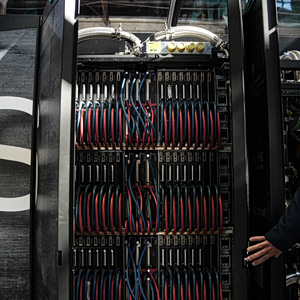
DAEDALUS is housed in a new data center inside Lavrio’s former electrical station, a protected industrial heritage building at the university’s technological and cultural park.
The project is included in Greece’s “Greece 2.0” recovery and resilience plan and receives funding through NextGenerationEU and the EuroHPC Joint Undertaking, according to the Digital Governance Ministry.
The system uses Hewlett Packard Enterprise technology with NVIDIA GH200 chips and direct liquid cooling, according to EuroHPC JU. Its Green500 position reflects how much benchmark computing work it delivers per watt of electricity consumed. That ranking measures energy efficiency, rather than the facility’s total environmental footprint.
DAEDALUS represents a substantial expansion of Greece’s capabilities, but the country has appeared in the global rankings before. Its earlier national supercomputer, ARIS, entered TOP500 in June 2015 at No. 468.