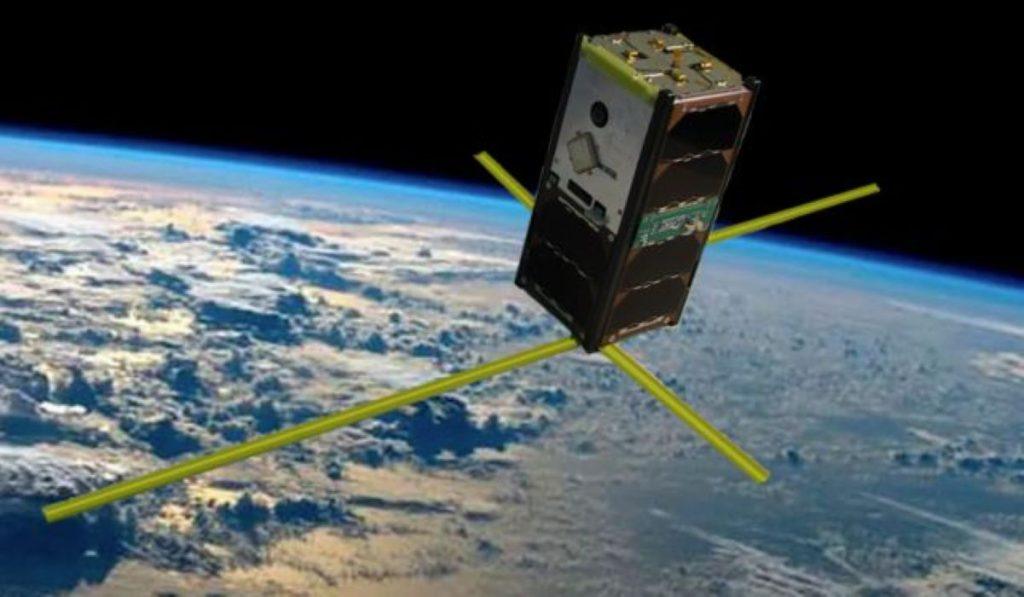




Greece has officially entered the space arena. On Nov. 28, Greek micro-satellites were successfully launched from Space Launch Complex 4E (SLC-4E) at Vandenberg Space Force Base in California and are now orbiting the Earth.
The launch marks the realization of the “National Micro-Satellite Program,” spearheaded by the Ministry of Digital Governance in collaboration with the Ministry of National Defense. The initiative represents a concrete step toward modernizing the Greek Armed Forces for the new era of defense and technology.
Under the program, two operational Synthetic Aperture Radar (SAR) satellites—ICEYE SAR-1 and SAR-2—are already providing crucial data to support national defense and security efforts. These satellites boast a resolution of up to 25 centimeters and can monitor the Earth both day and night, even under adverse weather conditions such as rain, snow, or cloud cover.
The information collected by the SAR satellites has multiple applications. It can support the Armed Forces in civil protection efforts, including firefighting and disaster response, as well as environmental monitoring. At the same time, the satellites provide essential intelligence relevant to national defense and security.
Sources within the Ministry of National Defense note that prior meetings focused on optimizing the program’s use by the Armed Forces, as well as on collaboration with the Hellenic Defense Innovation Center. High-priority discussions are also underway between ministries regarding a communications satellite for the Armed Forces, with a proposal submitted to the SAFE program.
According to officials, the integration of these cutting-edge digital technologies into Greece’s defense strategy marks a new era for the Armed Forces, in line with the goals outlined in the “Agenda 2030.”
Source: tovima.com