


Awidespread outbreak of sheep pox is putting severe pressure on Greece’s feta industry, a sector often described as the country’s “white gold”. The issue drew international attention after being featured by the BBC, highlighting the escalating impact on farmers, production and exports.
Hundreds of thousands of sheep and goats have been culled across the country to contain the disease. The loss is devastating not only economically but also emotionally. Anastasia Siourtou, a veterinarian and farm owner in Thessaly, told BBC that witnessing the culling of her animals was “very hard”, saying she felt she had failed to protect them.
Rapid spread across the country
Sheep pox is a viral infection that first appeared in northern Greece in August 2024 and has since spread widely. By mid-November, officials had recorded 1,702 cases, according to the Ministry of Rural Development and Food.
Detection of a single case requires the entire herd to be destroyed as a precaution. Approximately 417,000 sheep and goats—around 4–5% of the national population—have already been culled.
Threat to feta production and exports
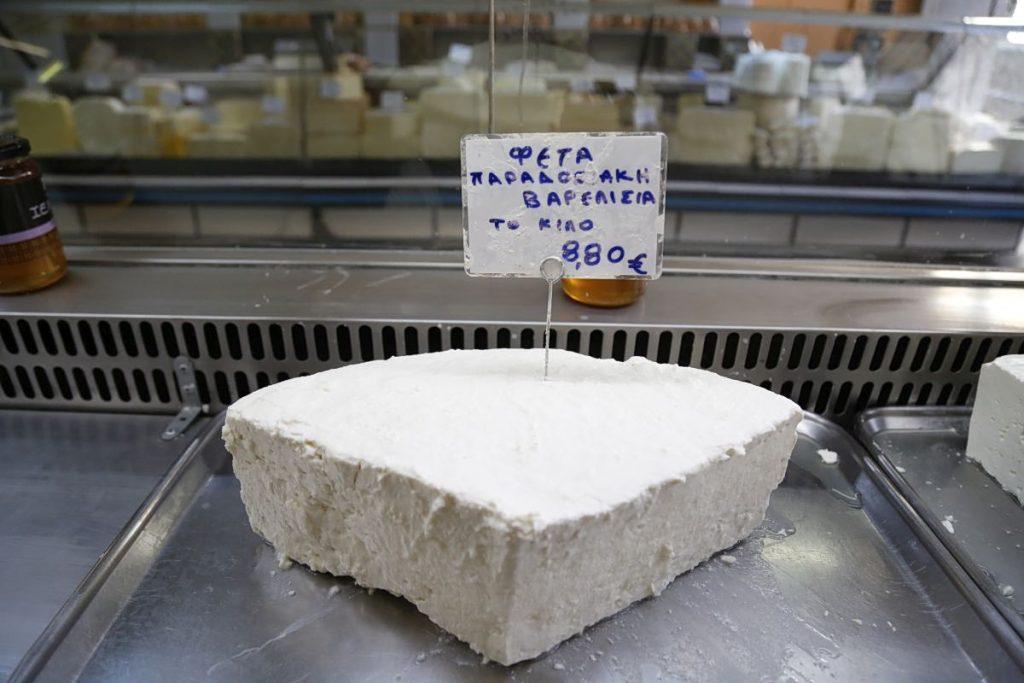
Feta is a Protected Designation of Origin product within the European Union, meaning it must be produced in Greece using at least 70% sheep’s milk and the remainder goat’s milk. Around 80% of all Greek sheep and goat milk is used in its production.
Last year, Greece exported €785 million worth of feta, including €520 million to EU countries and €90 million to the United Kingdom. Smaller dairies now report difficulty securing enough milk, raising concerns about future shortages. Prices have not yet risen, but experts warn that could change if the outbreak continues.
A professor from the University of Thessaly noted that limited milk availability is pushing production costs higher, making it difficult to maintain current supply levels.
Farmers say compensation is insufficient
Farmers affected by the mandatory culling receive €132 to €220 per animal, depending on age. Many say the payments do not cover the real economic losses, especially given the long-term impact on herd rebuilding.
Criticism of government response
The government has faced criticism over its handling of the crisis. An expert committee dedicated to managing the outbreak was established in late October—14 months after the first case was detected.
Authorities also did not initially impose exclusion zones in early affected regions, and critics argue that veterinary services are severely understaffed. Meanwhile, some farmers have been arrested for illegally transporting animals into supposedly disease-free areas, and local reports suggest some cases of infected animals being buried without notifying authorities.
A representative of the Ministry of Rural Development defended the approach, saying the country followed EU protocols and nearly eliminated cases in spring 2025. He argued that the resurgence was largely due to noncompliance with biosecurity rules by some farmers.
Debate over mass vaccination
Farmers in Thessaly are calling for mass vaccination, pointing to practices in neighbouring countries. EU rules allow such action in emergency situations, and producers are urging Greece to request vaccines from EU reserves.
However, the Greek government warns that mass vaccination could classify the country as endemic for the disease, restricting exports of milk and feta. Officials also note that no certified vaccine currently exists for sheep pox.
A veterinary expert explained that older vaccines used in endemic countries do not eliminate the virus, allowing circulation even among vaccinated herds. Despite this, the outbreak appears increasingly difficult to contain.
Concerns over illegal vaccinations
Members of the national scientific committee recently revealed that as many as one million illegal vaccinations may have been carried out by farmers across Greece. Such unregulated immunization efforts distort epidemiological data and make controlling the disease significantly harder.
Source: tovima.com