
![120 δόσεις: Από τον Νοέμβριο η ρύθμιση για χρέη στο δημόσιο [παράδειγμα]](https://www.ot.gr/wp-content/uploads/2023/06/ritmisi.jpg)
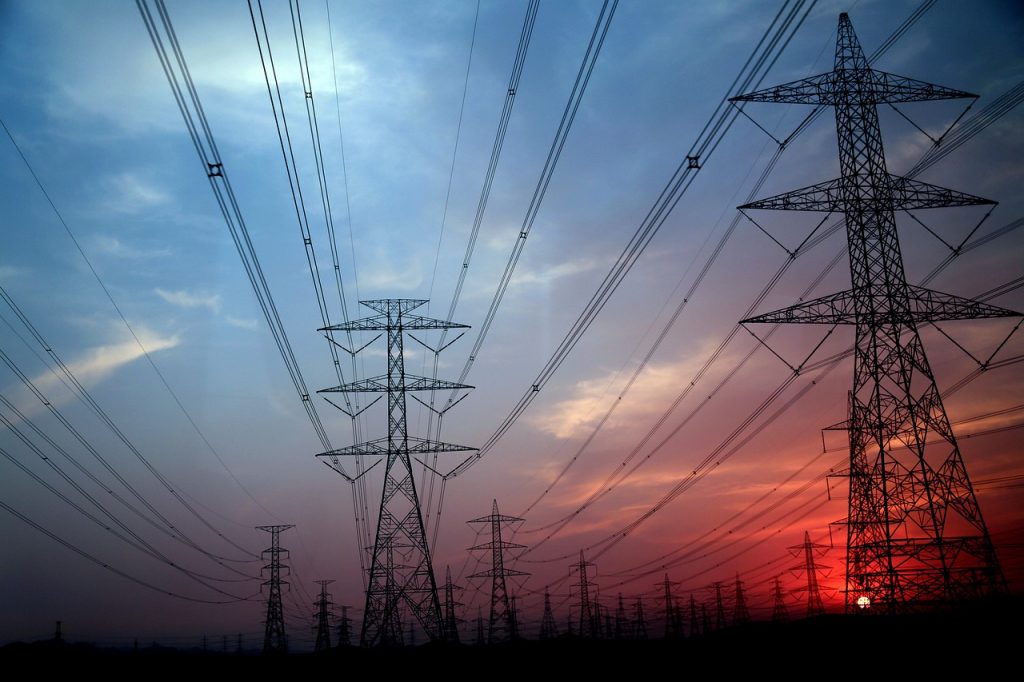
Α new wave of concern over electricity costs is emerging in Greece after prices in the wholesale power market reached their highest level of the year, raising the prospect of government intervention to protect households from higher electricity bills.
The average day-ahead electricity price for Tuesday reached €173.73 per megawatt-hour, according to the report, as high temperatures, increased demand for air conditioning and limited electricity supply put pressure on the market.
At the same time, Goldman Sachs has outlined a more severe scenario for the European energy market, forecasting that the price of natural gas at the Dutch TTF benchmark could rise to €100 per megawatt-hour in December as Europe faces high costs to replenish its gas reserves.
Extreme weather pushes up electricity prices
August has brought unusual weather conditions that are affecting both European and Greek electricity markets.
Extreme heat and drought have reduced water levels in rivers used by nuclear power plants for electricity generation, while demand for air conditioning has increased. The combination has pushed prices higher at a time when electricity supply is constrained.
High temperatures in Greece are also contributing to higher electricity prices.
At the same time, relatively weak winds are limiting the output of wind farms, which are among the cheaper sources of electricity. As a result, solar power is currently the only low-cost technology making a significant contribution to the energy mix, while more expensive natural gas has gained a larger role.
Current estimates suggest that elevated electricity prices could persist through the remainder of August, with the possibility that similar conditions could continue into September.
Uncertainty in international energy markets is also adding to costs.
Three scenarios for emergency measures
Against this backdrop, the Greek government’s economic team is considering possible emergency measures to limit the impact of higher electricity prices on households.
The first scenario involves subsidizing electricity bills, following the approach used during the energy crisis triggered by the Russia-Ukraine war.
A second option is an electricity pass, under which households would receive a payment calculated according to their monthly electricity consumption and combined with income-based criteria.
The third scenario would require household consumers currently using green and yellow electricity tariffs to move to blue, or fixed-rate, tariffs. The measure has been considered in the past but was not implemented.
The first two options would be short-term measures, while the mandatory move to fixed-rate tariffs could have a medium-term horizon.
A decision on whether emergency measures will be introduced is expected, most likely, by the end of the week.
€1 billion energy escape clause
The government is also preparing broader interventions to address energy costs through the activation of an energy-related escape clause.
Prime Minister Kyriakos Mitsotakis is expected to announce measures addressing energy costs at the 90th Thessaloniki International Fair, a major annual economic and political event in Greece.
National Economy and Finance Minister Kyriakos Pierrakakis has already sent a letter to the European Commission requesting activation of the new energy expenditure escape clause for Greece.
The mechanism would allow Greece to undertake projects totaling €1 billion between 2026 and 2028, financed through national resources.
The projects would focus on renewable energy storage, energy efficiency, building energy upgrades and infrastructure.
Mitsotakis is also expected to assess how measures including energy-storage systems, the country’s “Exoikonomo” energy-efficiency programs, heat-pump initiatives and measures to improve the energy performance of buildings and homes could help reduce electricity costs.
According to the report, the government is targeting a reduction of around 30% in electricity costs through these interventions.
Source: tovima.com






![Ακίνητα: Κύμα μεταβιβάσεων ενόψει του φόρου 15% [πίνακας]](https://www.ot.gr/wp-content/uploads/2026/07/akinita.png)