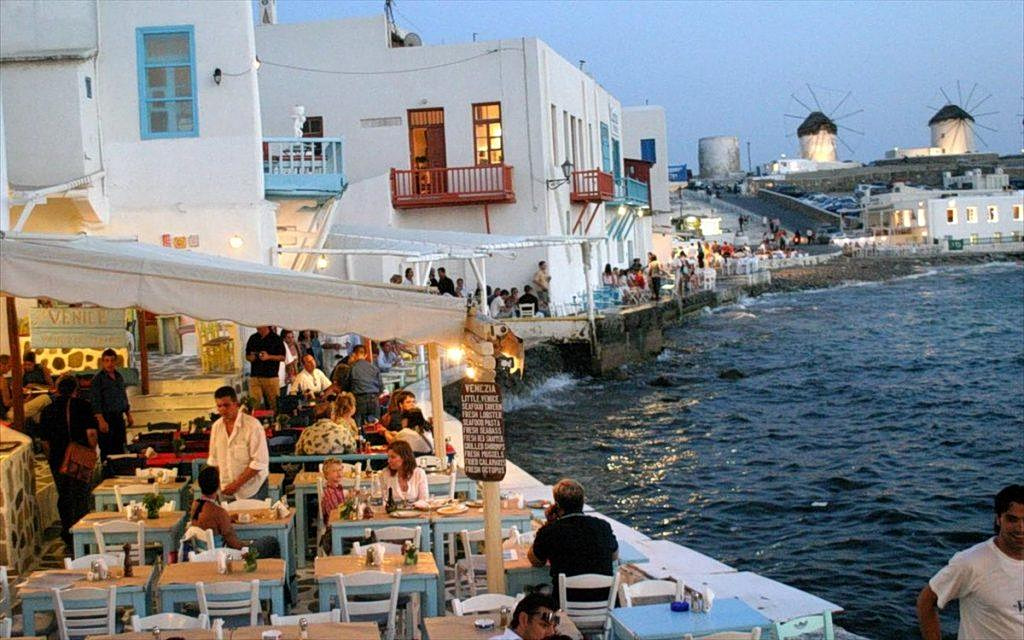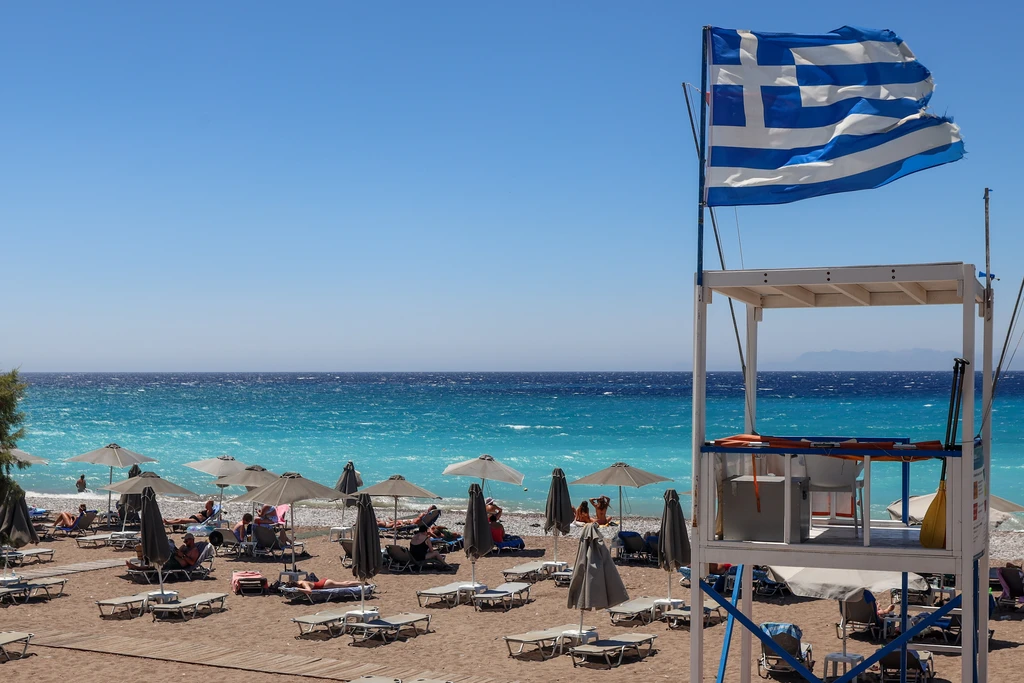




Turkish visitors are becoming one of the most important pillars of the tourist economy on the Eastern Aegean and Dodecanese islands. The shift is largely driven by a fast track visa program that lets Turkish citizens skip the full Schengen application process for stays of up to seven days on 12 specific Greek islands.
According to Turkey’s national statistics agency, TÜİK, trips abroad by Turkish citizens rose 16.5 percent in the first half of 2025 compared with the same period the previous year, and Greek islands close to the Turkish coast have captured a large share of that growth.
How the visa program works
The program, dubbed Visa Express, has been in place since 2024 and was recently extended until April 2027. It covers 12 islands in the Eastern Aegean and Dodecanese: Lesvos, Chios, Samos, Kos, Rhodes, Limnos, Leros, Kalymnos, Symi, Kastellorizo, Patmos and Samothraki. Under the scheme, Turkish citizens and their families can obtain a short stay visa of up to seven days without going through the standard Schengen visa procedure, which typically requires more documentation and a longer processing time. Greek authorities’ decision to extend the program for a further year signals that facilitating travel from Turkey is viewed as a mainstay of the government’s island tourism strategy.
Economic impact
The growing presence of Turkish visitors on these 12 islands is making a significant contribution to local economies, since they tend to spend and travel more widely than a typical short stay visitor. Turkish tourists move around their chosen destinations beyond their hotels, eating at local restaurants, shopping in local businesses and often traveling outside the peak summer months of July and August. That pattern channels revenue into hotels, rented rooms, restaurants, retail shops, car rental companies and ferry operators, spreading the economic benefit across a wider range of island businesses.
Greece granted the express visa at border entry points to 1.1 million Turkish visitors in 2025, and those travelers brought an estimated 500 million euros into the country. Based on rising ferry ticket bookings for Turkish routes, officials expect Turkish visitor numbers and related spending to grow a further 25 to 30 percent by the end of 2026.
The numbers
The scale of the increase becomes clear when set against the period before Visa Express existed. Flows of Turkish visitors to Greece have increased fivefold compared with 2023. Chios offers a clear illustration of that trajectory. The island received about 5,000 Turkish visitors in 2010. By 2014 that figure had climbed to 85,000. Turkish arrivals on Chios are now approaching 130,000 a year, out of roughly 200,000 total arrivals from abroad. In 2025 alone, the island recorded 131,324 Turkish visitors, a figure local tourism businesses now regard as central to their operations.
Chios is not an isolated case. Samos, Lesvos, Kos and Rhodes also receive substantial numbers of visitors arriving from Turkey’s western coastline, while smaller islands including Symi, Kalymnos, Leros, Kastellorizo and Patmos have seen meaningful gains as well.
Why are Turkish travelers choosing Greece
A recent article in the Turkish newspaper Nefes examined why Turkish travelers are increasingly opting for Greek islands over domestic alternatives. The piece pointed to several factors: lower prices for accommodation and food on the Greek side, tax incentives, and the ease of the express visa itself. It also cited high inflation in Turkey, which has made Turkish coastal resorts less affordable for many Turkish travelers relative to nearby Greek destinations.
The pattern shows up in broader travel data as well. An estimated 12 million Turkish citizens traveled abroad in 2025, spending roughly $10 billion in total, and more than 2.6 million of them chose Greek islands as a destination, with many making the trip more than once during the year.