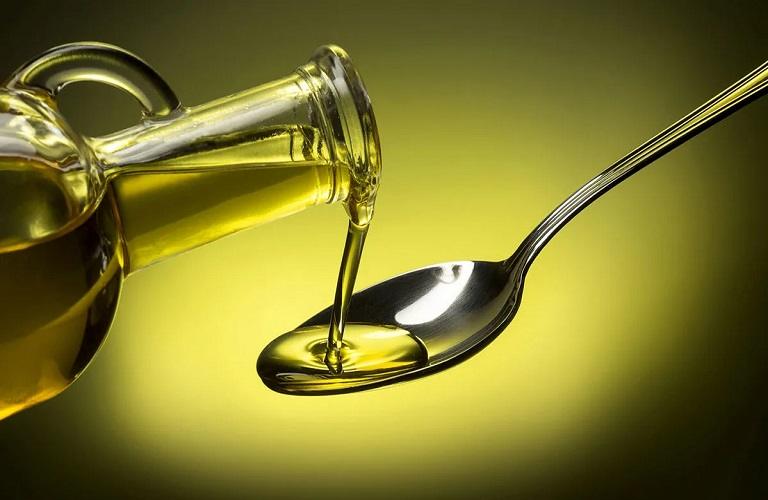




Olive oil may be the healthiest ingredient we can put on our plates. That message was reinforced once again at the international conference “The Olive Sector: Challenges and Prospects,” organized by the Hellenic Society for Horticultural Science (4E) at the Agricultural University of Athens, where scientists and industry experts examined the future of olive cultivation in the face of climate change while reaffirming olive oil’s exceptional nutritional value.
In a country like Greece—where endless olive groves shape both the landscape and the national identity—it’s easy to take olive oil for granted. After all, we tend to overlook what has always been there.
Greeks grow up with olive oil. It accompanies some of the very first foods babies taste, enriching vegetable purées with generous spoonfuls of freshly pressed extra virgin olive oil. We learn to mop up village salads with crusty bread, the bowls practically swimming in golden oil. And, of course, we grow up loving ladera—Greece’s traditional vegetable dishes slowly cooked in generous amounts of olive oil, where grandmothers rarely believed there could ever be too much. Some even preferred it for frying potatoes, zucchini and eggplant, convinced no other fat could produce the same flavor.
Previous generations never hesitated to use olive oil generously, even during times when abundance meant something very different from what it does today.
Perhaps they instinctively understood what modern science continues to confirm: good olive oil is, in many ways, nature’s medicine.
And olive oil is exactly that—the finest kind of oil. Its benefits are well known not only to those who have enjoyed it since childhood, but also to millions of people around the world who have embraced the Mediterranean diet as one of the healthiest ways to eat.
As registered dietitian and nutritionist Anastasios Papalazarou wrote in an earlier issue of TO VIMA’s Elliniki Kouzina (“Greek Cuisine”), “Olive oil—alongside the olive itself—is the cornerstone of the Mediterranean diet and continues to be extensively researched for its positive effects on human health.”
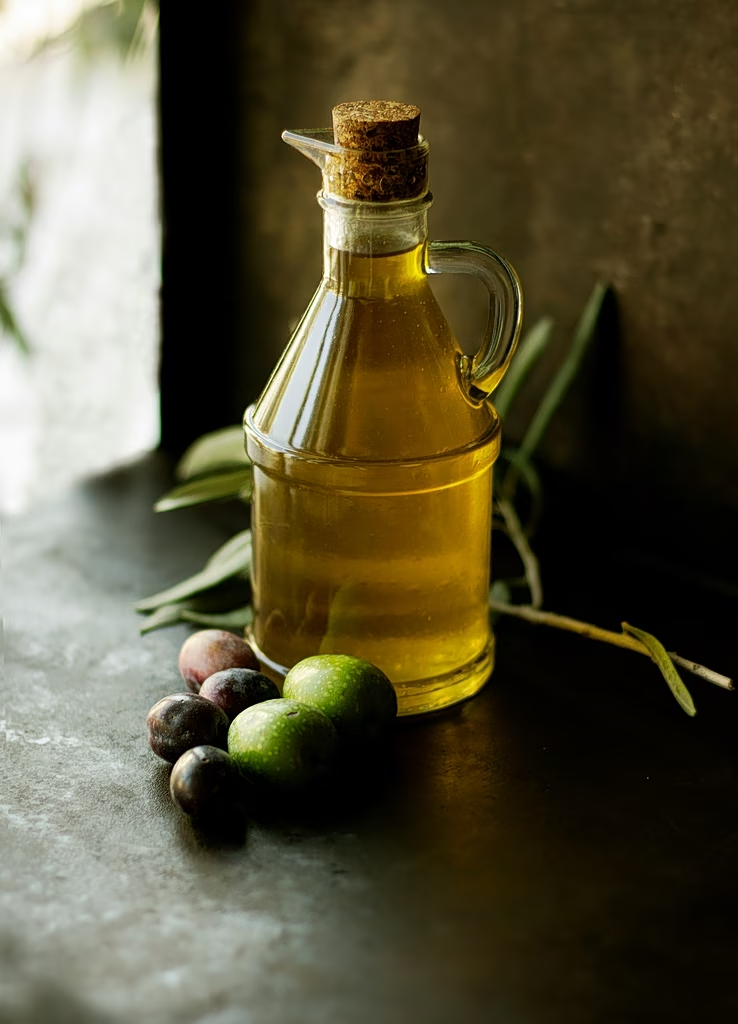
Its greatest strength lies in its exceptionally high concentration of monounsaturated fatty acids—the so-called “good fats” that help reduce LDL (“bad”) cholesterol while maintaining healthy HDL (“good”) cholesterol levels.
Prompted by the international conference The Olive Sector: Challenges and Prospects, held on June 11-12 at the Agricultural University of Athens, which focused on climate change, modern cultivation techniques and strategies to strengthen olive oil production and trade, we take another look at why this remarkable gift of nature remains one of the world’s most valuable foods.
The healthy fats our bodies need
Nutritional thinking has changed dramatically over the past few decades.
The low-fat diets that once dominated dietary advice have largely fallen out of favor, as researchers increasingly linked them to excessive carbohydrate consumption, greater hunger and a sharp rise in cases of Type 2 diabetes.
Today’s dietary recommendations focus far more on satiety—the feeling of fullness—placing greater emphasis on protein, healthy fats and minimally processed “real foods” that reach our bodies without extensive industrial processing or questionable additives.
It would be difficult to find a food more natural than olive oil.
Its only real drawback is its high calorie content—between 820 and 884 calories per 100 grams—meaning moderation remains essential. Otherwise, as the generous cooking of our grandmothers reminds us, it is easy to overdo it.
If calories were not a concern, one might almost be tempted to take it by the spoonful—much like a medicinal syrup.
Because in many respects, olive oil truly is a form of natural medicine.
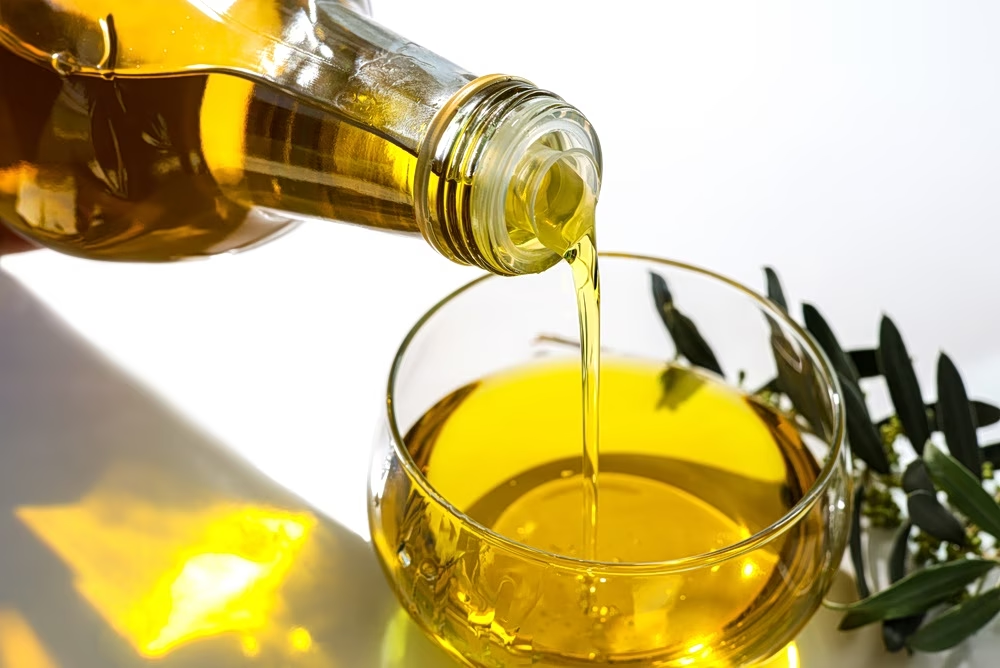
“The monounsaturated fatty acids contained in olive oil have been shown to reduce cardiovascular risk,” explains Papalazarou.
“In particular, they lower low-density lipoproteins (LDL) while increasing high-density lipoproteins (HDL), supporting cardiovascular function. They also help prevent blood clot formation and platelet aggregation, reducing the likelihood of developing cardiovascular disease.”
More than just healthy fat
Oleic acid may receive most of the attention for supporting heart health, but olive oil offers much more.
It is also an excellent source of vitamins E and K, providing roughly 75% of the recommended daily intake for these nutrients.
Researchers have identified more than 30 different phenolic compounds that contribute to olive oil’s distinctive flavor and aroma.
These compounds possess powerful antioxidant, antithrombotic and antibacterial properties, elevating olive oil beyond the category of a simple cooking ingredient.
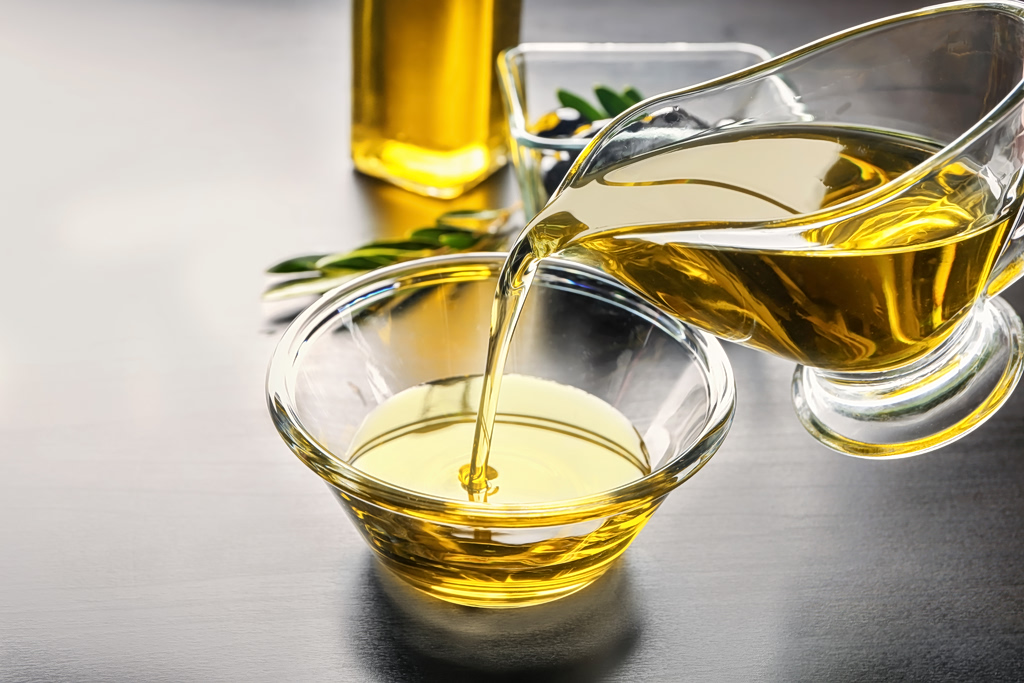
It is, quite literally, a functional food.
The key, however, lies in knowing how to use it in order to maximize all of these benefits.
The right way to use olive oil
The first rule is also the simplest:
Raw is almost always better.
The valuable polyphenols and vitamin E found in olive oil are sensitive to heat, meaning part of their nutritional value is inevitably lost during cooking.
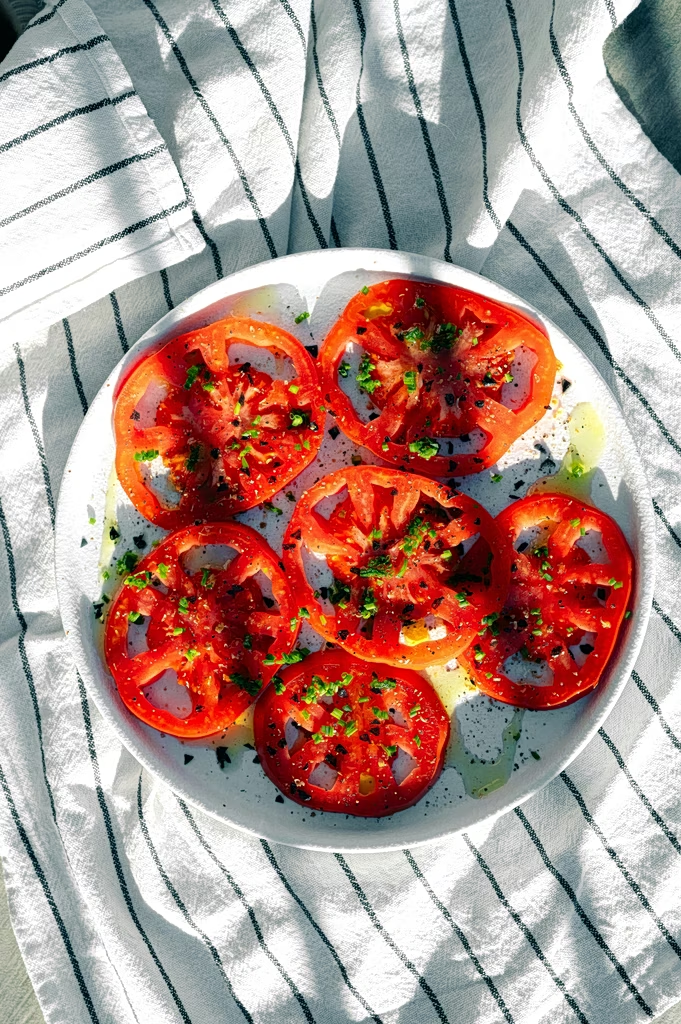
By contrast, drizzling fresh extra virgin olive oil over salads or cooked dishes just before serving preserves these compounds and significantly boosts the meal’s nutritional profile.
“There is a small secret hidden in the combination of olive oil and vegetables,” Papalazarou explains.
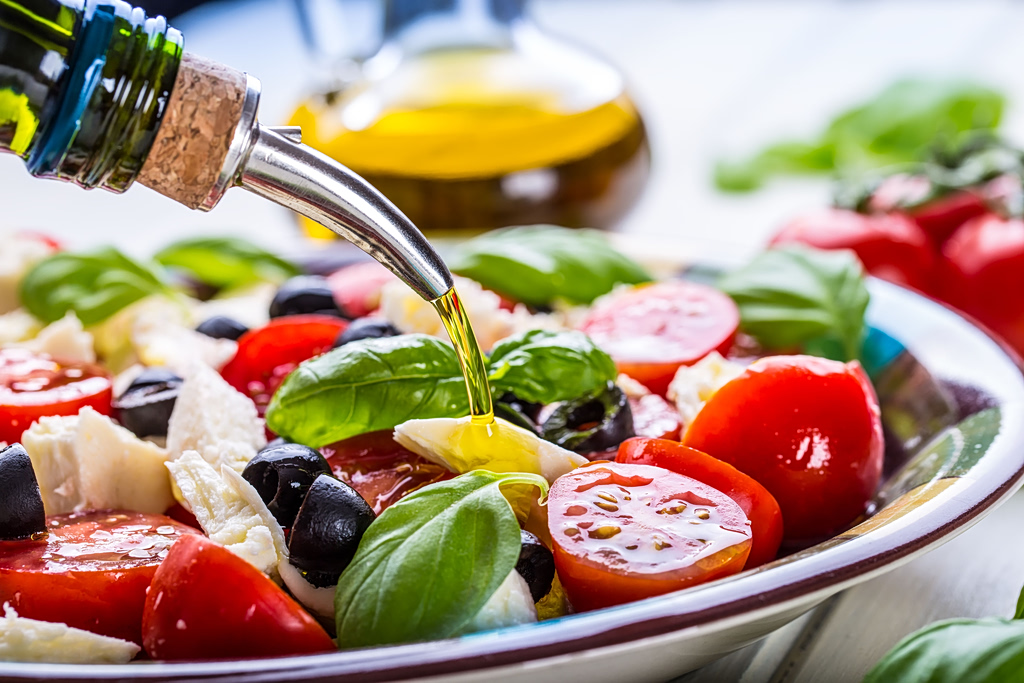
“Vegetables are rich in beneficial antioxidants, especially carotenoids. The presence of olive oil increases the bioavailability of these carotenoids, enhancing the nutritional value of a salad.”
In practical terms, consuming olive oil raw helps the body absorb the fat-soluble vitamins A, D, E and K naturally present in vegetables much more efficiently.
Can you cook with olive oil?
Even when heated, olive oil retains much of its nutritional value.
The important thing is to avoid allowing it to exceed 200°C (392°F)—a temperature that can easily be reached during frying if the oil begins to smoke.
Once smoke appears, many of olive oil’s beneficial fats begin to break down, producing harmful oxidative compounds known as free radicals.
For this reason, olive oil that has already been used for frying should never be reused.
At that point, what began as one of nature’s healthiest foods can become something far less beneficial.
Store it like the treasure it is
Like anything precious, olive oil deserves proper care.
The best place for it is inside a dark glass bottle, tightly sealed and kept away from direct sunlight.
Both light and oxygen gradually degrade olive oil’s flavor, aroma and nutritional quality.
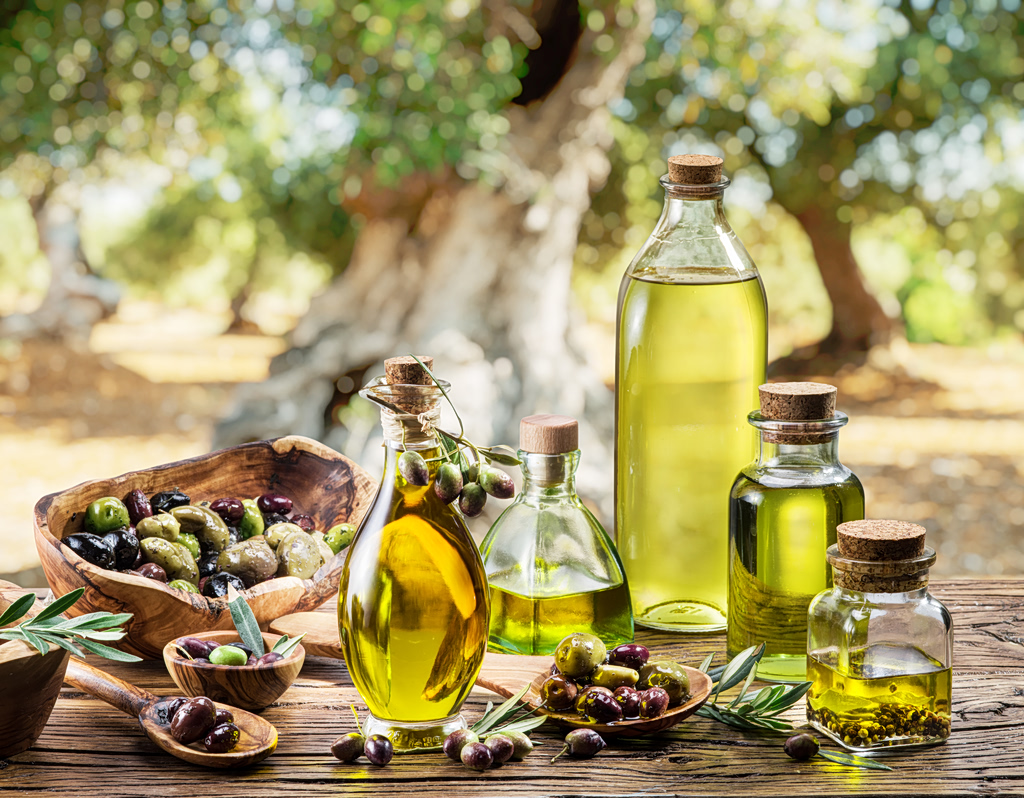
For larger quantities—such as a family’s annual supply—stainless steel containers, widely used throughout Greece, remain the preferred storage method.
These containers should be kept at room temperature, never in damp, cold storage rooms or, even worse, exposed to direct sunlight on a balcony.
Ideally, olive oil should be stored at temperatures between 10°C and 15°C (50°F-59°F) and consumed within 18 months.
As with everything else, moderation is key when it comes to consumption.
Freshness, however, should never be compromised.
Properly stored, high-quality olive oil preserves its distinctive flavor, aroma and extraordinary nutritional value—continuing to enrich every dish it touches while delivering many of the health benefits that have made it the cornerstone of the Mediterranean diet for thousands of years.
Source: tovima.com

























![Τακτοποίησης Φορολογικών Υποχρεώσεων που προκύπτουν από την απώλεια ζωής [Μέρος Δ]](https://www.ot.gr/wp-content/uploads/2026/02/klironom.jpg)