

Greece is among the European Union’s economies most exposed to the long-term effects of climate change, according to a new analysis by Scope Ratings, which warned that chronic climate-related risks are increasingly becoming a factor affecting economic growth, public finances and ultimately sovereign creditworthiness.
The report ranks Greece and Cyprus among the bloc’s most vulnerable countries across all climate scenarios examined, reflecting the disproportionate impact expected to fall on southern European economies as temperatures continue to rise.
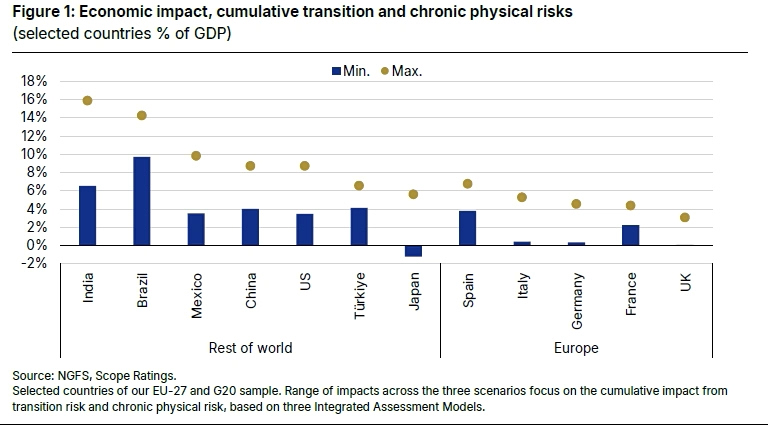
Even under a relatively moderate scenario, Scope estimates that cumulative economic losses linked to chronic physical climate risks could reach between 3.2% and 3.9% of Greece’s gross domestic product by 2050, placing the country alongside Cyprus at the top of the EU vulnerability ranking. According to the ratings agency, already elevated average temperatures across southern Europe make economic activity more susceptible to further warming and its associated effects.
The findings underscore growing concerns among investors and ratings agencies that climate change is no longer solely an environmental challenge but an increasingly important economic and fiscal risk. Scope noted that long-term climate impacts can weigh on productivity, investment and public spending, factors that are closely monitored in sovereign credit assessments.
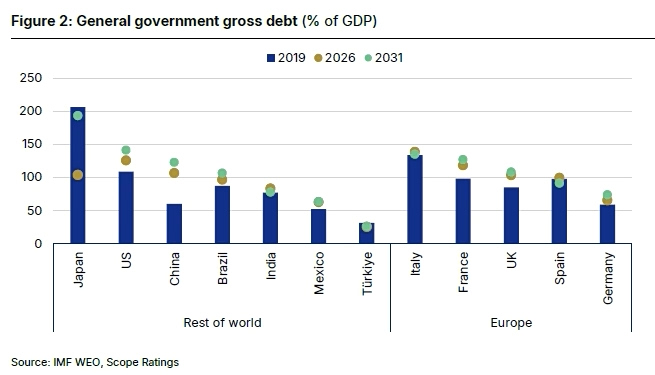
The agency cited similar risks elsewhere in Europe. In Spain, cumulative economic costs from climate change — excluding losses from extreme weather events — could reach between 3.8% and 6.8% of GDP by the middle of the century. Estimates for Germany and Italy range from negligible effects to losses approaching 5% of GDP, highlighting significant uncertainty surrounding future outcomes.
The warning comes as Greece continues to face recurring climate-related pressures, including destructive wildfires, prolonged heatwaves and water stress. Over the past year, policymakers have accelerated investments in climate adaptation, civil protection and water-management infrastructure while emphasizing the economic costs associated with increasingly frequent climate-related disasters.
Broader European studies have similarly found that southern European countries, including Greece and Cyprus, face some of the highest economic risks from rising temperatures, droughts, wildfires and declining labour productivity as climate change intensifies