


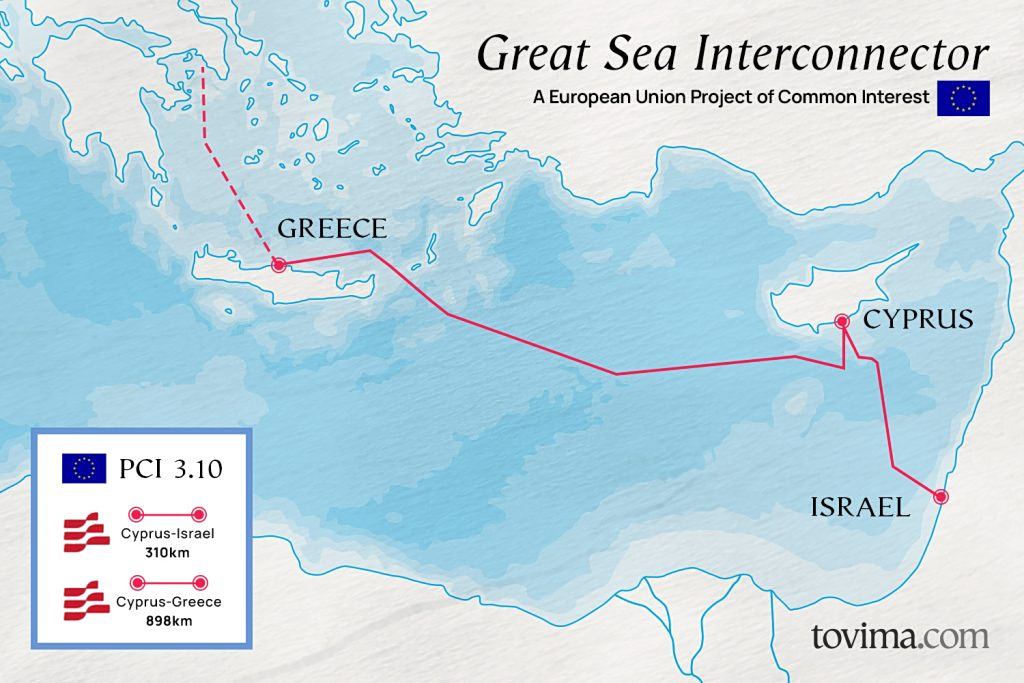
The next six months are expected to be tense for Greece–Turkey relations, centered on energy developments. The “triggers” include hydrocarbon exploration and drilling south of Crete, the major investment plan for the Great Sea Interconnector (GSI), the Cyprus–Greece cable project.
Ankara is indirectly countering these projects with the announcement of two marine parks, one in the North Aegean and another in the Eastern Mediterranean, which it frames against initiatives that strengthen Greece’s geopolitical position. At the same time, Turkey is advancing its “Blue Homeland” bill, expected to be brought to a vote in the Turkish parliament in October .
Athens, for its part, emphasizes that its actions are grounded in international law and supported by strong alliances with the United States and France. The presence of major companies operating in Greece, specifically Chevron, ExxonMobil, Meridiam and Nexans, reflects the practical backing of two significant geopolitical powers.
Milestones for “Hydrocarbons 2.0”
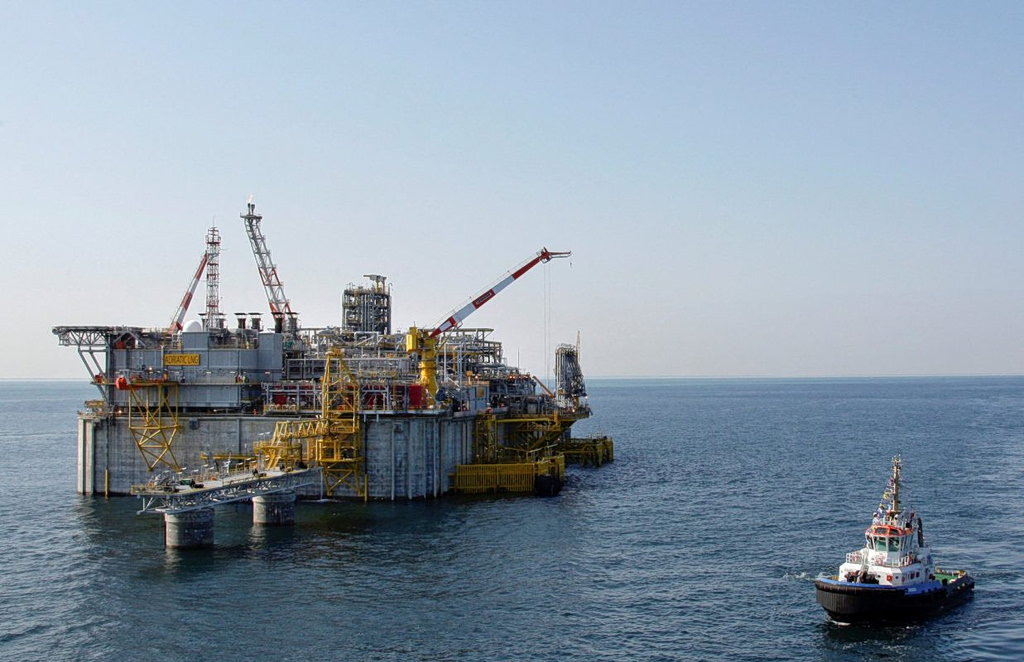
Greece’s “Hydrocarbons 2.0” program is entering a critical phase. Developments focus both on the first offshore drilling in 40 years and on updating geological data through new seismic surveys.
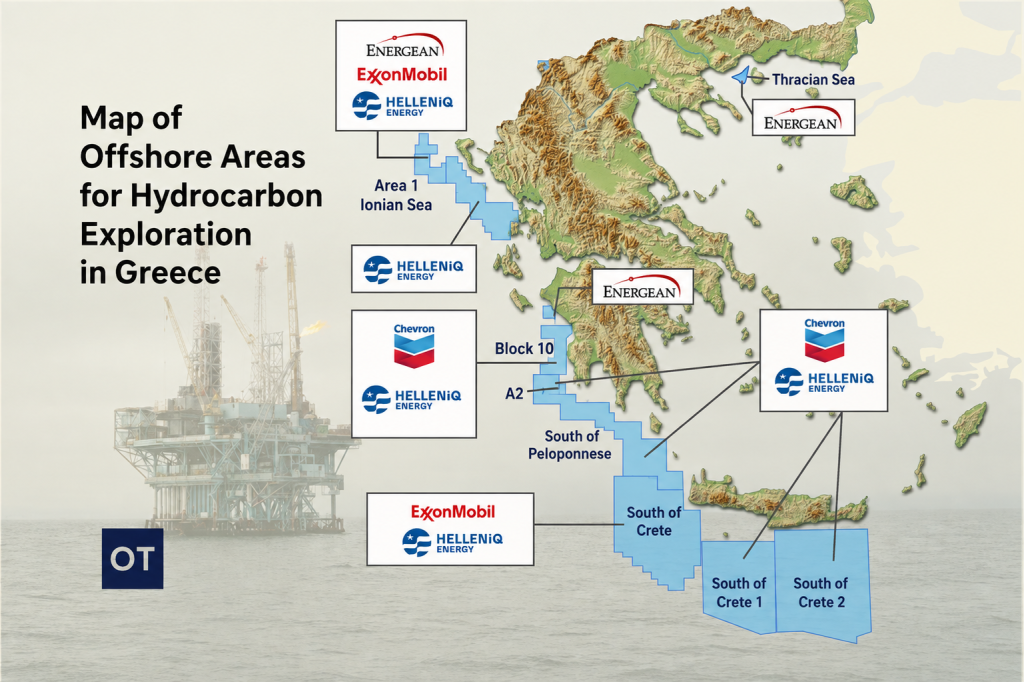
By that time, the Environmental Impact Study submitted by Energean, ExxonMobil and HELLENiQ ENERGY for offshore drilling in Block 2 is expected to have been approved. In parallel, the international tender for seismic surveys, which cover areas already granted to investors and areas not yet under concession, is expected to be completed.
Toward the last quarter of the year, Chevron may conduct seismic surveys in four of the five offshore blocks it manages with HELLENiQ ENERGY: South Peloponnese, A2, South of Crete I and South of Crete II. In Block 10, 3D geophysical data acquisition has already taken place.
Diplomatic sources note that by October, Turkey may have finalized its “Blue Homeland” draft law, which includes claims beyond international legal norms. As is typical, any Greek activity related to hydrocarbon exploration tends to trigger reactions from Ankara.
New Round of Seismic Surveys
On November 11, the deadline expires for companies to submit bids to the Hellenic Hydrocarbons and Energy Resources Management Company (HEREMA) for seismic survey permits.
HEREMA has issued an international call for the acquisition and processing of non‑exclusive seismic data in marine areas of Western and Southern Greece. PGS Exploration (known for its seismic work in Greece 15 years ago) has already submitted a request.
The goal is to acquire and process modern, non‑exclusive data that will help assess the hydrocarbon potential of the region. Surveys may cover the entire search area (Ionian Sea and south of Crete) or selected sub‑areas, and may include 2D and/or 3D data acquisition.
The tender includes maritime zones that are already under active lease agreements as well as areas without concessions.
Chevron’s Next Steps
Chevron’s upcoming actions add another piece to the hydrocarbon exploration puzzle. The U.S. company is expected to conduct 2D and 3D seismic surveys between late 2026 and early 2027 in offshore blocks in the Peloponnese and Crete.
It remains unclear whether the Chevron–HELLENiQ ENERGY partnership will commission the surveys independently or utilize HEREMA’s international tender process .
Ankara continues to invoke the Turkish–Libyan memorandum, which attempts to define an EEZ between the two countries. Greece considers the memorandum invalid, but Turkey claims that the agreement’s boundaries include Chevron’s concessions south of Crete.
The Greece–Cyprus Cable
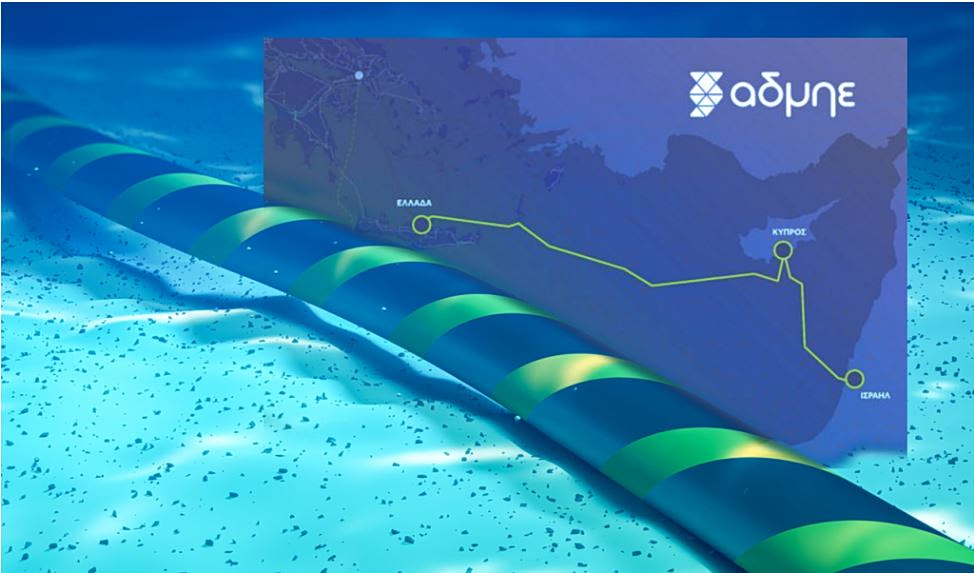
Turkey is also disputing the legality of the Great Sea Interconnector (GSI) project, the Greece–Cyprus electricity cable .
Two years ago, Turkish warships obstructed a specialized vessel conducting sonar surveys off Kasos for the cable’s route, freezing a strategically important European project that would upgrade the geopolitical position of Greece and Cyprus.
Recent developments, including IPTO’s agreement for the French firm Meridiam to join GSI’s share capital, and Nexans’ involvement in seabed studies, are cited by diplomatic sources as among Ankara’s “arguments” behind its marine park decisions and the “Blue Homeland” bill.
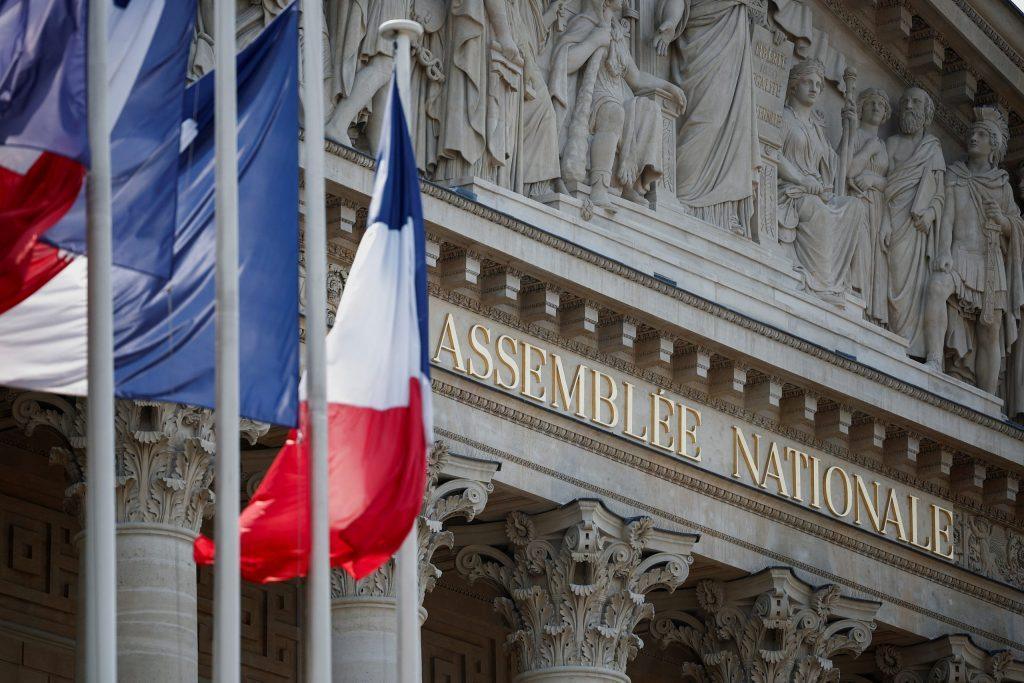
French support for the project, along with President Emmanuel Macron’s earlier statement backing Greek sovereign rights, has not gone unnoticed in Ankara.
Investor estimates suggest that by early autumn, the consortium may be ready to request NAVTEX for the remaining seabed surveys required for the GSI cable.
Source: tovima.com