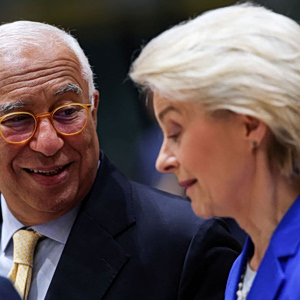


Europe is facing renewed pressure from rising energy costs, but its member states remain divided over how to respond. A meeting of EU energy ministers in Luxembourg on Thursday, October 29, highlighted sharply different national approaches, with no comprehensive agreement emerging on how to ease the burden on households and businesses.
The disagreements come as higher energy prices feed inflation, increase uncertainty in the labor market and deepen existing social inequalities. Although energy security and consumer protection remain central priorities, governments have yet to agree on how the cost of the crisis should be distributed or which measures can be introduced without breaching EU rules.
For Greece, the challenge is particularly acute. The country is already dealing with high levels of financial vulnerability and energy poverty, leaving a substantial share of its population exposed to further increases in electricity, heating and other living costs.
Energy prices drive inflation higher across Europe
The latest Eurostat figures show that inflationary pressures intensified in September. Annual inflation rose to 3.8% in both the eurozone and the European Union, up from 3.2% in August.
Energy prices recorded an even sharper increase. Energy inflation in the eurozone reached 18.9% in September, compared with 14.3% a month earlier.
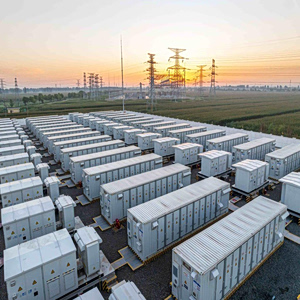
The impact extends well beyond household electricity and heating bills. Higher natural gas prices increase the cost of generating electricity, while more expensive energy also raises production and transportation costs. These increases can spread through supply chains, affecting businesses and ultimately pushing up prices for goods and services.
In Greece, the latest energy shock is adding to existing concerns about the cost of living and the ability of households to afford basic necessities.
Greece faces heightened energy poverty risks
The scale of the country’s social vulnerability is reflected in Eurostat’s 2025 figures. Some 27.5% of Greece’s population — approximately 2.8 million people — was at risk of poverty or social exclusion, compared with 20.9% across the EU.
Access to adequate home heating presents an additional challenge. In 2025, 18.1% of people in Greece could not afford to keep their homes sufficiently warm, more than twice the EU average of 8.8%.
Greece recorded the highest proportion among EU member states on this measure, highlighting how exposed many households are to further increases in energy costs.
Nearly 50 million Europeans struggle to heat their homes
The problem extends across the European Union. Before Thursday’s meeting, European Commissioner for Energy Dan Jørgensen warned that nearly 50 million people across the bloc cannot adequately heat their homes.
His remarks underscored the human impact of the energy crisis, which extends beyond economic indicators and government budget constraints. For people already struggling to cover essential expenses, higher energy bills can make it increasingly difficult to meet basic needs.
The latest discussions among EU ministers have therefore highlighted not only the economic consequences of rising energy prices but also the difficulty of finding a common response that addresses the different circumstances of member states while protecting consumers.
Source: tovima.com