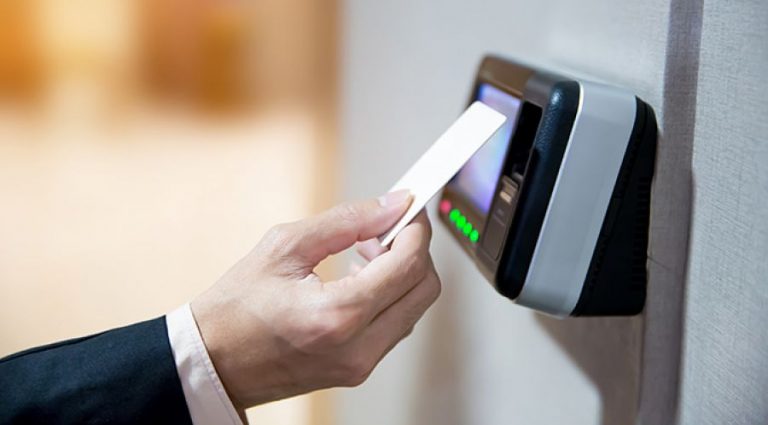



Starting today, the Digital Work Card is in full effect for employees working in human health activities (hospitals, therapy and diagnostic centers), excluding doctors, as well as in employment support activities, telecommunications, hair salons, beauty centers, dry cleaners and building and outdoor area services, mainly cleaning services.
This is the first phase of the new expansion of the Digital Work Card, which began as a pilot on June 2, 2026, and is now moving into full implementation.
Minister of Labor and Social Security Niki Kerameus said: “With the new expansion, the Digital Work Card protects nearly half a million additional workers. In total, about 2.5 million workers are paid for their actual working hours thanks to the Digital Work Card.
It is a very useful tool that ensures transparency in the labor market, as it helps fight underreported and undeclared work and strengthens fair competition, while also creating the fiscal space needed to correct injustices and increase benefits for citizens.
The Digital Work Card is highly effective, as shown by official data from the ERGANI information system. Its use has led to increases in reported overtime of up to 1,200% in certain sectors, while in 2025, 2.7 million more overtime hours were reported compared with 2024.”
The second phase of the expansion began on June 29, 2026, and will run as a pilot until November 15. Full implementation will start on November 16 for employees working in:
- Consulting services, advertising and other office activities
- Repairs
- Warehousing and transport support activities (logistics)
- Water and wastewater management
- Gambling
It is worth noting that in the first seven months of 2026, more than 5.7 million overtime hours were recorded in the sectors covered by the Digital Work Card.
This is about 1.54 million more overtime hours than in the first seven months of 2025, an increase of 36.8%.
Some examples:
- Wholesale trade: up 212.8% (+594,913 overtime hours)
- Administrative and support services in tourism: up 172.8% (+47,991 overtime hours)
- Food service: up 67.2% over seven months (+323,049 overtime hours)
- Industry: up 15.4% over seven months (+267,916 overtime hours)