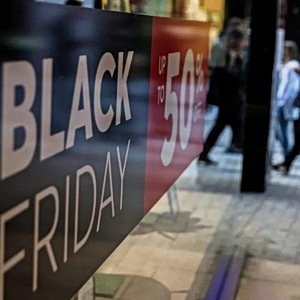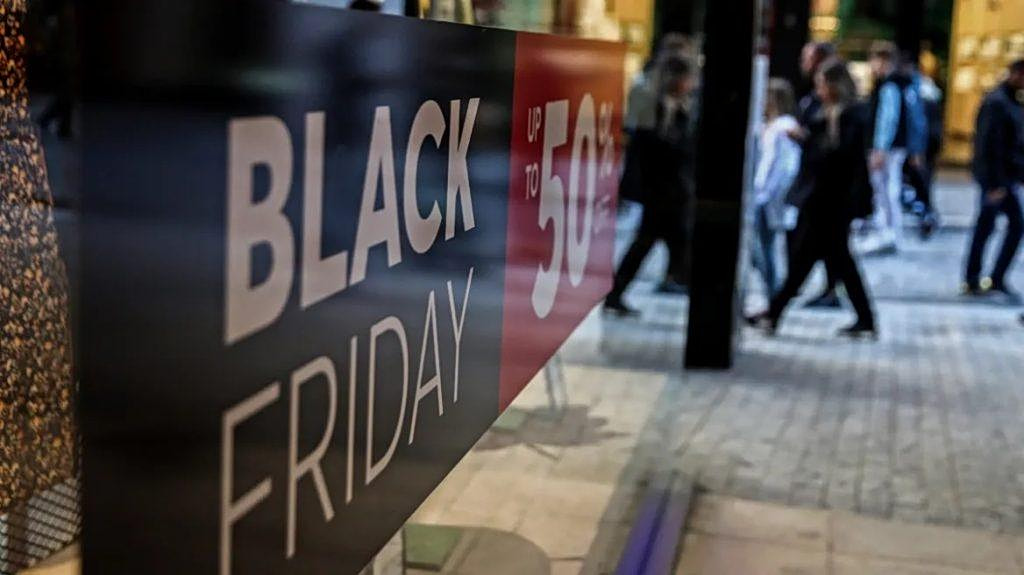



More Greek consumers are planning to shop during this year’s Black Friday and Cyber Monday sales, with 67% intending to make purchases during the two promotional events, up from 63% in 2025 and 50% in 2024.
Black Friday falls on November 27 this year, followed by Cyber Monday on November 30. The findings come from the first phase of the EY Future Consumer Index Greece 2026, a consumer survey conducted by EY Greece in cooperation with research company MRB.
Shopping intentions are particularly high among younger consumers. The proportion rises to 72% among people aged 18 to 29 and 76% among those aged 30 to 39.
However, much of the planned spending involves purchases consumers had already intended to make. Among those planning to shop, 26% said they would have made the purchases at a later date anyway, while another 25% had postponed planned purchases specifically to take advantage of the November sales.
Only 19% expect to make additional purchases they had not previously planned because of the discounts. That figure rises to 25% among younger consumers.
Most shoppers expect to spend between €100 and €500
The majority of consumers expect to spend between €100 and €500 across the two sales events.
According to the survey, 39% plan to spend between €100 and €250, while 31% expect their spending to fall between €250 and €500. Just 2% anticipate spending more than €1,000.
Clothing and accessories are the most popular shopping categories, cited by 61% of respondents. Among consumers aged 18 to 29, the figure climbs to 74%.
Technology products and electronic devices follow closely, with 59% planning purchases in this category. Electrical appliances rank third at 42%.
Other planned purchases include personal care and beauty products (31%), with the figure reaching 45% among women, and household and kitchen goods (27%).
Consumers remain skeptical about discounts
Despite the growing appetite for shopping, many consumers remain unconvinced that Black Friday and Cyber Monday offers provide genuine savings.
Some 43% of respondents said they were skeptical about whether the advertised discounts and promotions were real, compared with 45% in 2025. Another 24% said products they are interested in are rarely included in the offers, down from 30% last year.
The survey also found that 23% believe they can find good prices and deals throughout the year without waiting for major sales events. A further 16% said they prefer to buy what they need when they need it.
For some consumers, the promotional events can also encourage excessive spending. Some 15% said the sales motivate them to spend more than they had planned, while 14% reported feeling tired or stressed by the pressure to shop during Black Friday and Cyber Monday.
The findings point to demand for greater transparency in pricing. Among respondents who expressed skepticism about discounts, 35% said they would like retailers to display a product’s price history. Another 26% wanted a clear indication of its lowest price over the previous 30 days, while 23% said a best-price guarantee would help strengthen their confidence.
Online shopping holds a slight lead
Consumers are almost evenly divided between online and in-store shopping, although digital channels have a narrow advantage.
Some 35% plan to make most of their purchases through Greek or international online stores, while 5% expect to shop primarily through applications or social media.
Meanwhile, 34% intend to do most of their shopping at physical stores. Another 21% expect to divide their purchases roughly equally between online and in-person channels.
The findings suggest that consumers increasingly approach Black Friday and Cyber Monday as a combined shopping experience, moving between digital and physical stores.
Retailers urged to focus on transparency and customer experience
Commenting on the findings, Thanos Mavros, an EY Greece partner and head of the Retail and Consumer Products sector for Southeastern Europe, said the increased willingness to shop was encouraging at a time when consumers were facing financial pressure.
He noted that the promotional events could create additional value by prompting some consumers to make purchases they had not originally planned. However, he said retailers needed to do more than advertise discounts and offers.
“The key is not simply to promote a discount or an offer, but to clearly and verifiably demonstrate the value created for the consumer,” Mavros said.
Achilleas Arvanitis, an EY Greece partner and head of EY Studio+ in Greece and the Europe Central region, said consumers increasingly viewed Black Friday and Cyber Monday as a single shopping experience, regardless of whether they purchased online or in physical stores.
He emphasized the importance of consistent, personalized service throughout the customer journey, including across different shopping channels.
Retailers that adapt to this changing environment will be those that use modern technology and data while strengthening consumer trust and transparency at every point of interaction, Arvanitis said.
Source: tovima.com