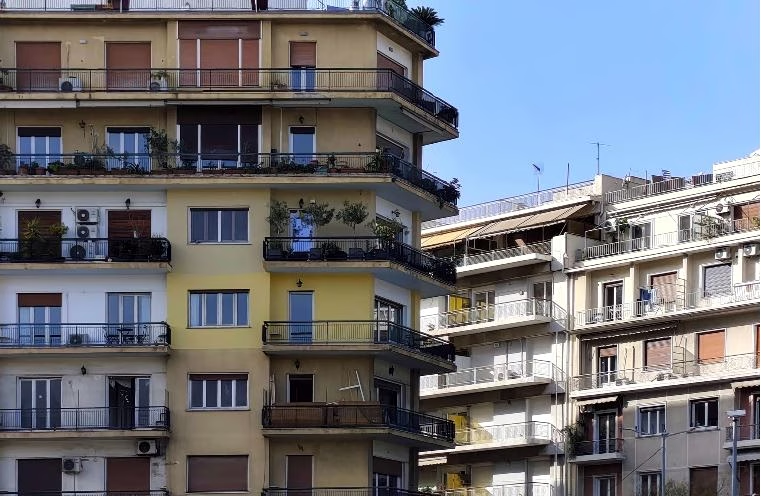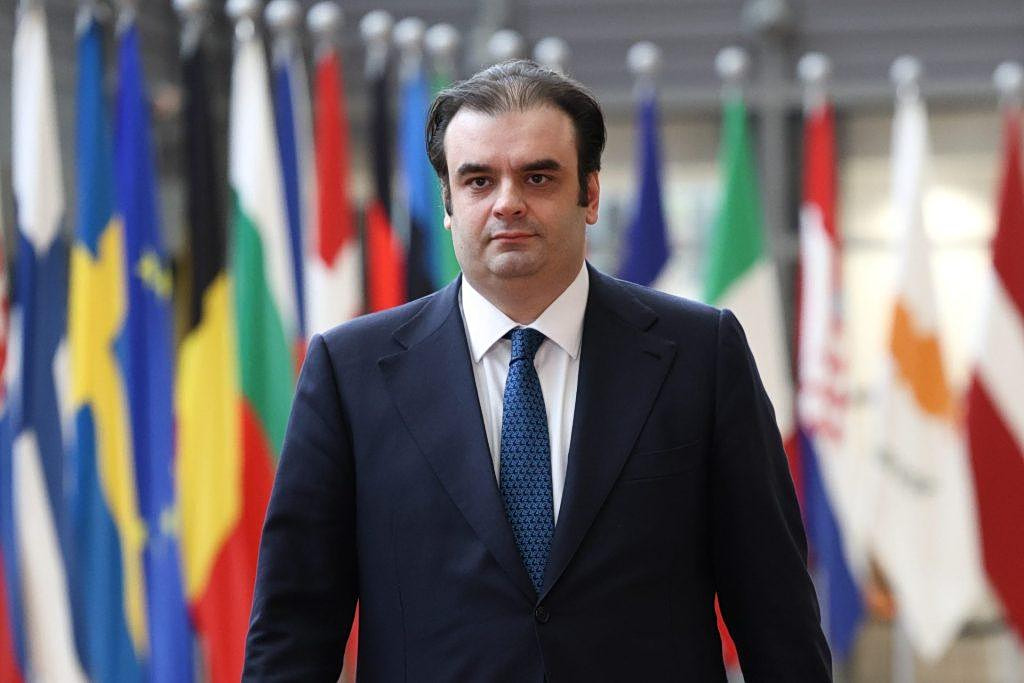



Europe’s worsening housing crisis will dominate the informal Eurogroup meeting in Nicosia, on Friday May 21, following an initiative by Greek Finance Minister Kyriakos Pierrakakis. Speaking at the 4th Real Estate Conference, Pierrakakis stressed that soaring housing costs are no longer a uniquely Greek problem but a challenge confronting most European economies.
“No country has yet found a single, definitive solution,” he noted, underlining that housing policy is now moving decisively onto the European agenda. The Nicosia meeting will focus on exchanging both successful and unsuccessful policy experiences from member states in an effort to identify measures that could also be adapted to the Greek market.
Three countries — Spain, Croatia and Ireland — are expected to present case studies widely regarded as emblematic responses to the escalating housing squeeze.
Spain has adopted one of Europe’s most interventionist approaches, targeting soaring rents and shrinking housing availability, particularly in tourist-heavy regions. Madrid has tightened restrictions on short-term rental platforms such as Airbnb, launched large-scale state-backed affordable housing programs and introduced incentives to bring vacant properties back onto the market. Rent-control mechanisms have also been considered in areas facing acute pressure, with the aim of protecting younger households and lower-income tenants.
Croatia, grappling with a tourism-driven shortage of long-term rentals, has chosen a tougher regulatory and tax framework. Authorities imposed higher taxes on empty homes and properties used exclusively for tourism in an effort to return housing stock to the residential market. Additional reforms include support for social and affordable housing projects aimed at easing price pressures and improving access for younger buyers and renters.
Ireland’s response has centered on supply. Following years of underbuilding after the 2008 financial crisis, Dublin introduced the multi-billion-euro “Housing for All” strategy, which targets the construction of tens of thousands of new homes annually. The program combines affordable housing development with subsidies for first-time buyers, expanded social housing and measures to contain rental costs.
In Greece, the pressure remains severe. Official data show nearly 794,000 homes standing empty, despite tax incentives introduced to encourage owners to return properties to the long-term rental market — measures that, so far, have produced limited results.
Source: tovima.com