
taly’s Parmigiano Reggiano producers are facing mounting challenges as record-breaking heatwaves disrupt milk production, increase operating costs and raise concerns about the future of one of the country’s most celebrated agricultural products.
In Emilia-Romagna, the historic heartland of Parmigiano Reggiano, farmers say soaring temperatures are affecting both the quantity and quality of the milk needed to produce the world-famous cheese. The region, where authentic Parmigiano Reggiano can only be made, has seen temperatures exceed 40 degrees Celsius, forcing producers to adopt increasingly costly measures to protect their livestock.
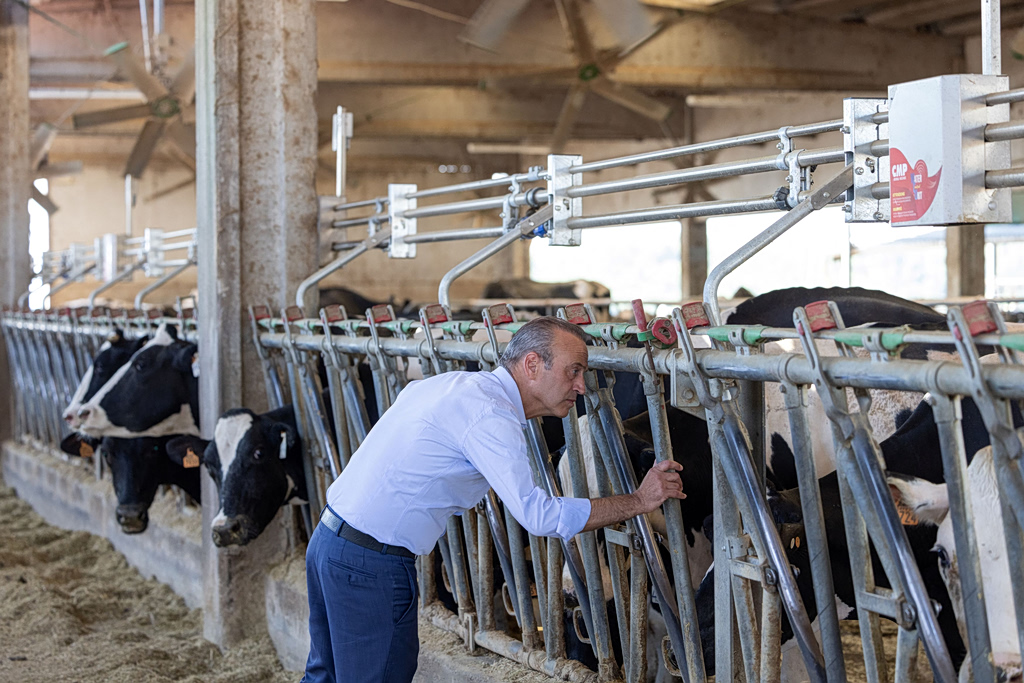
“Extreme heat impacts milk’s quality and quantity,” said Nicola Bertinelli to Reuters, president of the Parmigiano Reggiano Consortium, who also runs his family’s dairy farm near Parma.
Decades ago, farmers relied on opening barn windows at night to cool their cattle during the summer. Today, those windows remain open around the clock as heatwaves become more frequent and intense.
The effects are already being felt across the production chain. Farmers say cows spend more time lying down, eat less and produce up to 10% less milk during periods of extreme heat. Since Parmigiano Reggiano is made using only milk, salt and rennet, any reduction in milk production has a direct impact on output.
The industry’s strict production rules add to the challenge. Authentic Parmigiano Reggiano can only be produced in five provinces, mainly in Emilia-Romagna, and the cows must be fed exclusively with locally grown grass and hay.
“If it doesn’t rain, grass doesn’t grow, hay cannot be produced and it’s impossible to obtain the milk needed to make the cheese,” Bertinelli said.
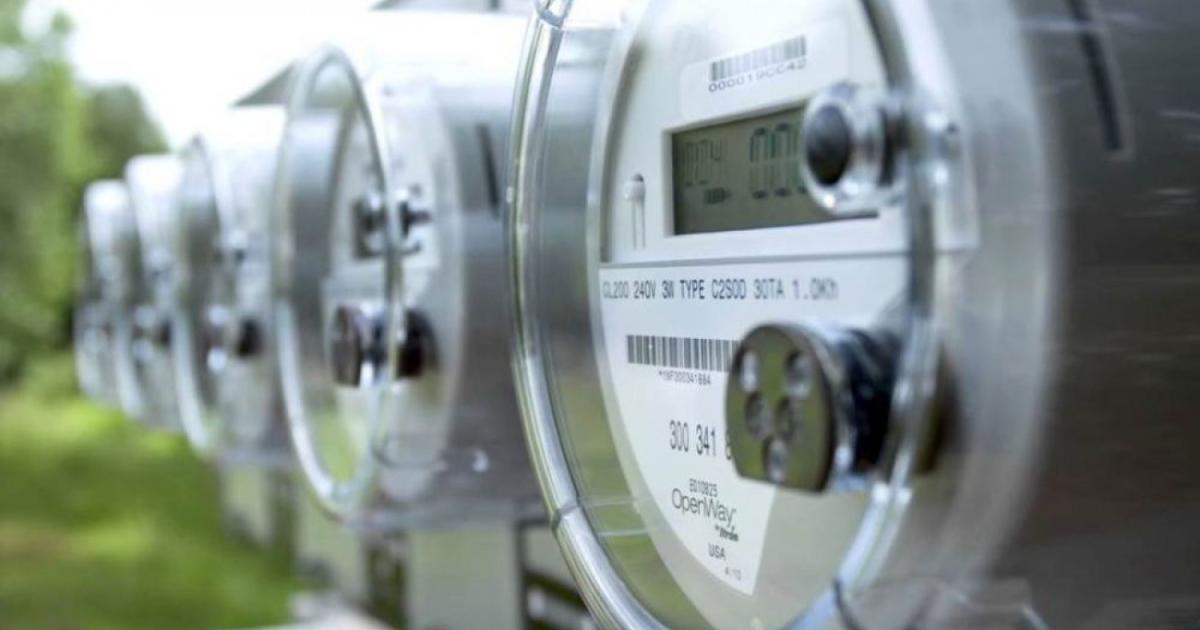
To protect their herds, many farms have invested in industrial fans and water-mist cooling systems. While helping cattle cope with the heat, these technologies have significantly increased electricity costs.
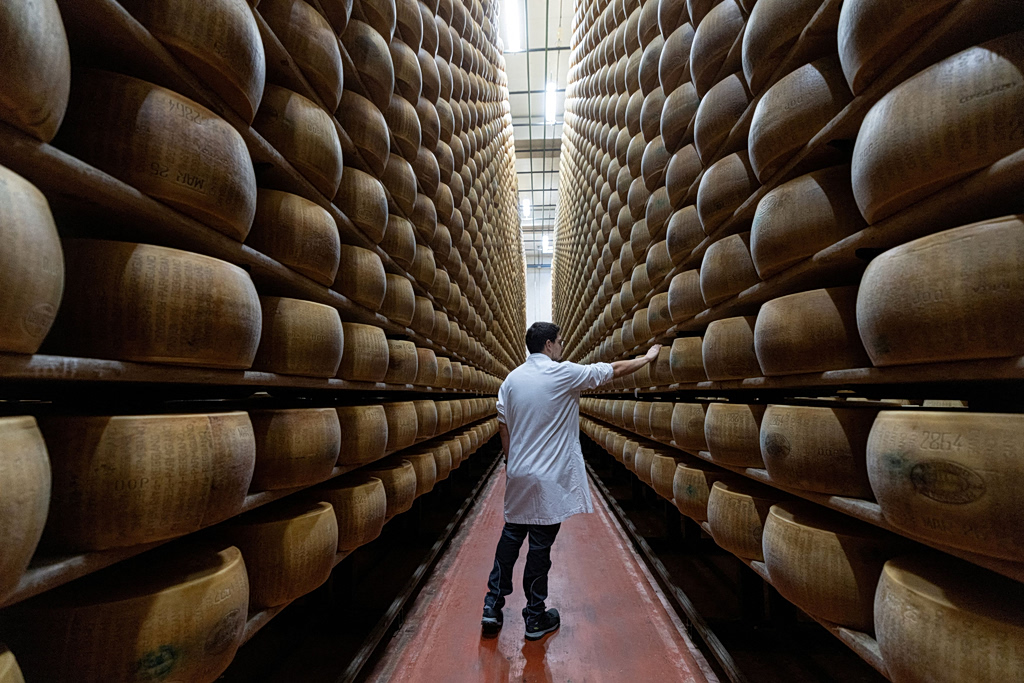
The financial pressure extends beyond farms to the warehouses where the cheese matures for at least 12 months, and in some cases more than three years.
More than 500,000 wheels of Parmigiano Reggiano, valued at over €300 million, are stored in two climate-controlled warehouses operated by Magazzini Generali delle Tagliate (MGT), a unit of Credito Emiliano, in the provinces of Reggio Emilia and Modena.
“During this year’s peak heatwaves, our daily energy consumption rose by about 30%,” said MGT director Giancarlo Ravanetti.
To manage rising temperatures, the facilities have upgraded cooling systems and boilers, improved insulation and expanded renewable energy production in an effort to limit energy consumption.
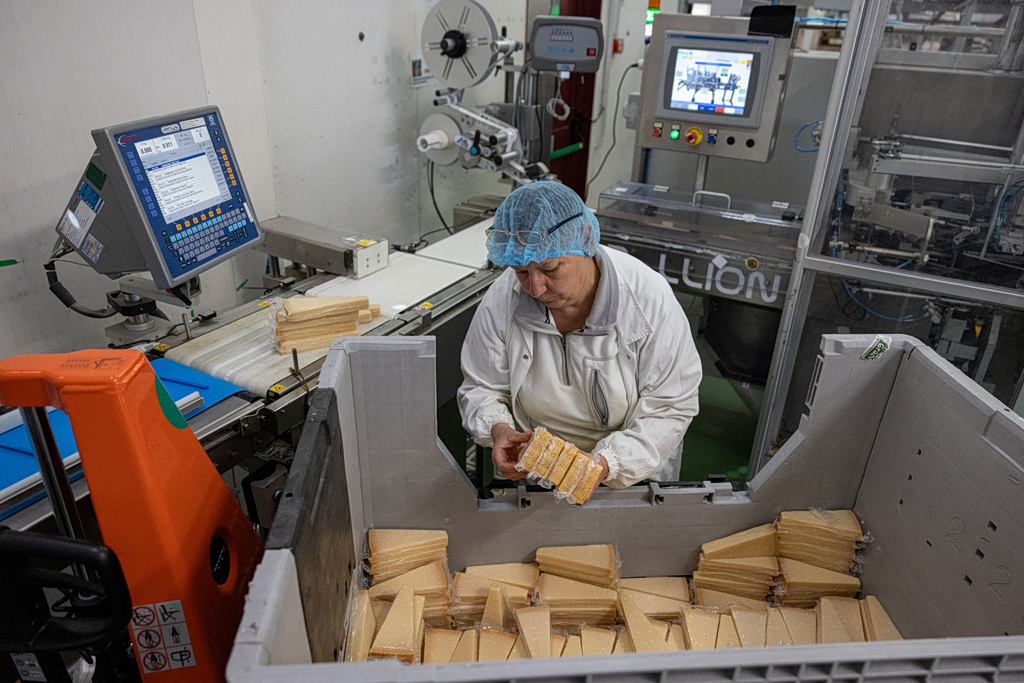
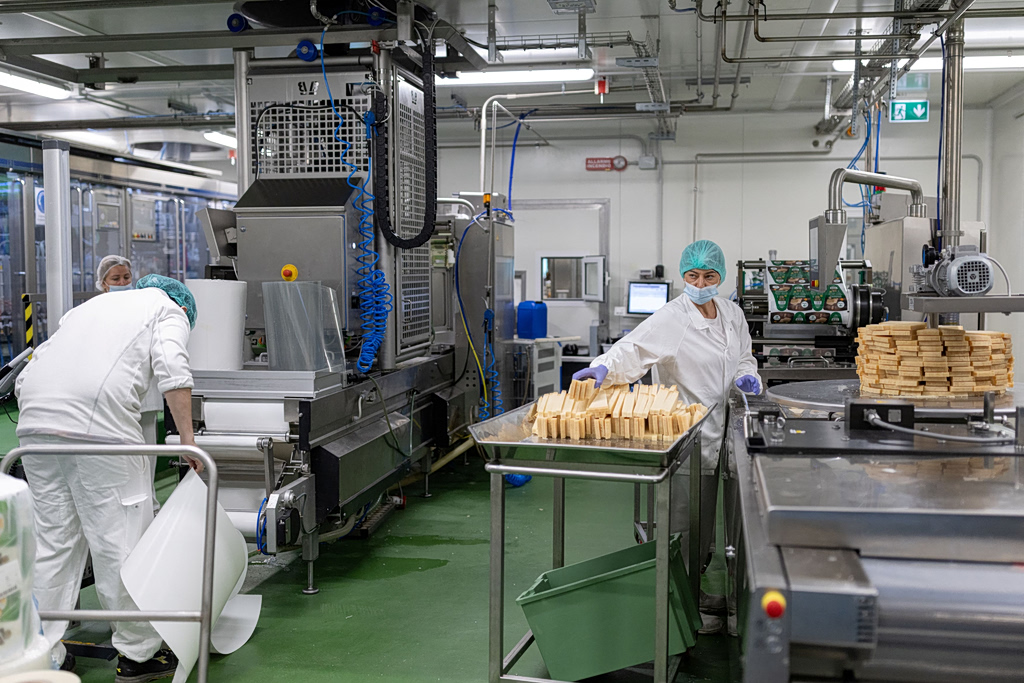
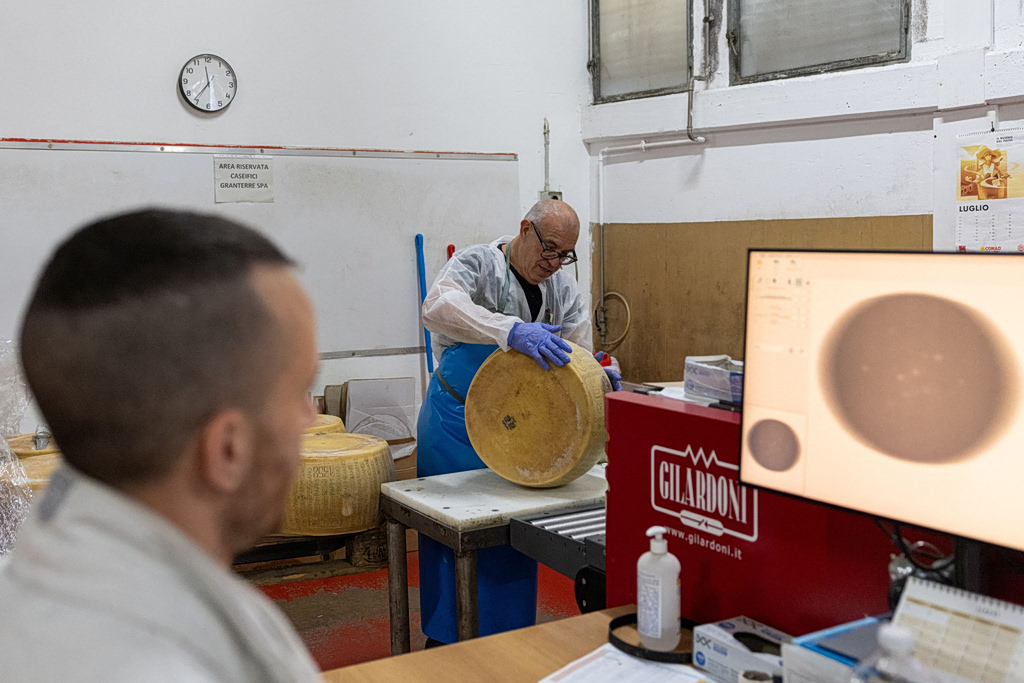
Despite the increased reliance on technology, producers say traditional craftsmanship remains at the heart of the ageing process. Every wheel undergoes strict quality inspections, including X-ray scans, while trained experts continue to assess the cheese by tapping each wheel with small hammers to detect internal defects.
“The human factor remains key and is the real strength of the entire process,” Ravanetti said.
Industry leaders warn that increasingly frequent climate extremes could have lasting consequences for production costs and product quality.
Paolo Ganzerli, international sales director at food group GranTerre, said prolonged periods of extreme weather would not only reduce milk output but also drive costs even higher throughout the supply chain.
The stakes are significant. The Parmigiano Reggiano industry generates an estimated €4.5 billion in annual revenue, supports thousands of jobs and remains a pillar of the local economy. More than half of the cheese’s global sales came from exports in 2025, with the United States serving as its largest foreign market.
For producers, the challenge is about preserving a tradition that has endured for more than eight centuries.
“Parmigiano Reggiano has existed for more than 800 years,” Ganzerli said. “We don’t want to be the last generation to eat it.”
Source: tovima.com










![Ενοίκια: Τι ακίνητα προτιμούν οι Ελληνες – Μικρά και 20ετίας [γραφήματα]](https://www.ot.gr/wp-content/uploads/2026/08/ot_enoikia-1024x682-1.png)