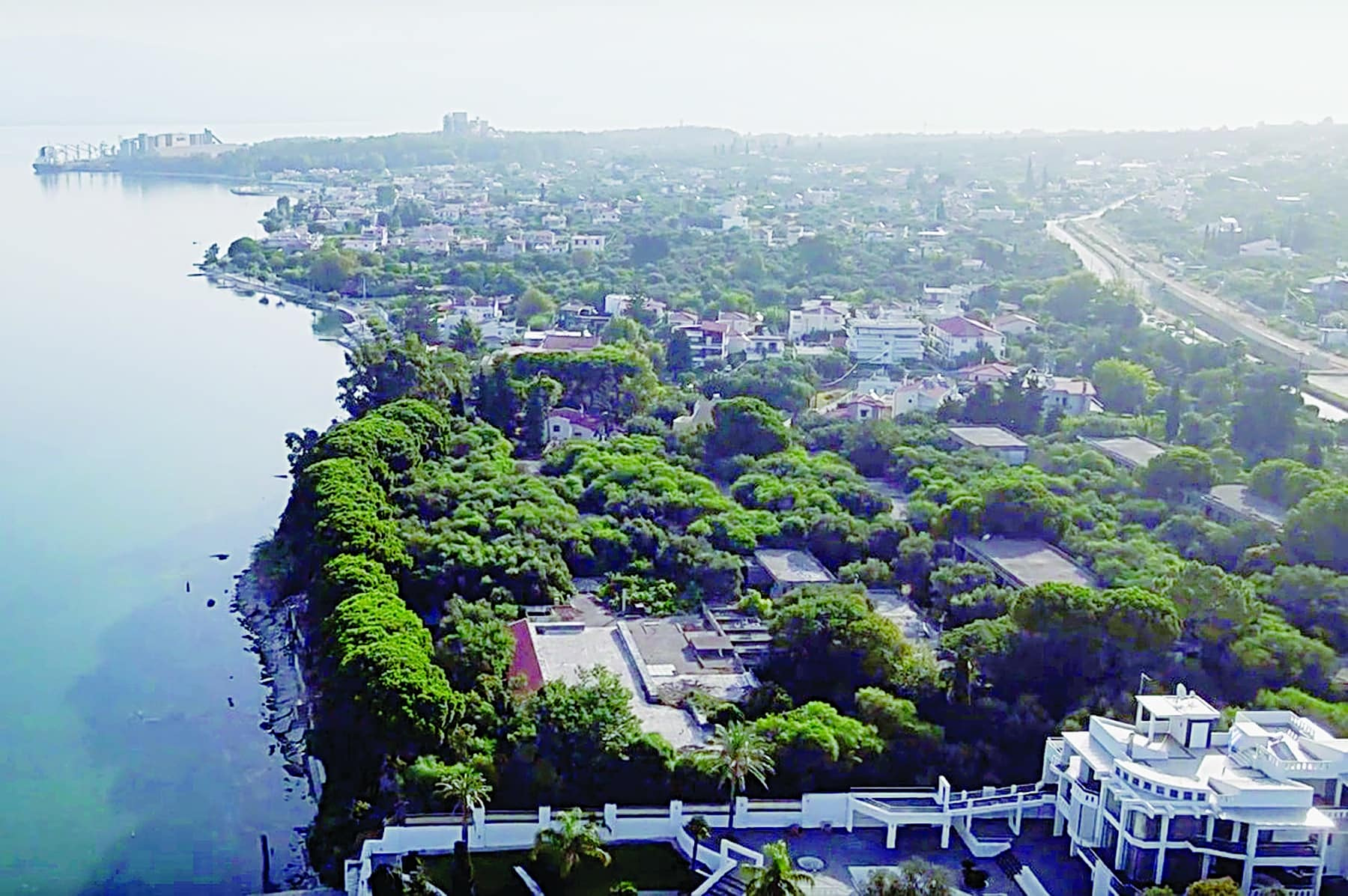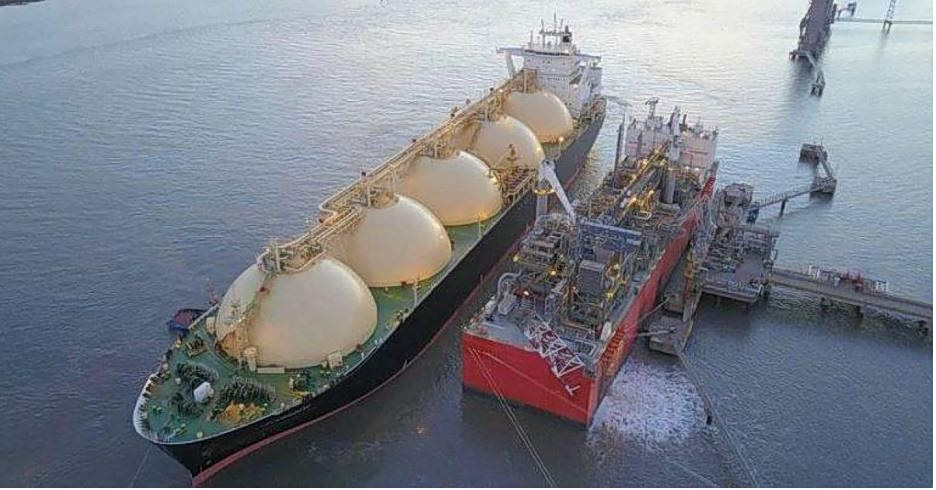
Motor Oil’s long-delayed Dioryga Gas LNG project is back in play after a breakthrough with Greece’s gas grid operator. Τhe standoff between Motor Oil and the Hellenic Gas Transmission System Operator (DESFA) is now said to be resolved, paving the way for the project to be re-included among the infrastructure deemed necessary for the development of Greece’s National Natural Gas System.
The agreement marks a significant turnaround for the €400 million floating storage and regasification unit (FSRU), which had previously been excluded from DESFA’s planning framework.
Policy Shift Drives Reversal
Both the Greek government and DESFA are understood to have reassessed their stance on the project following two major developments reshaping Europe’s energy landscape.
The first is the European Union’s planned ban on Russian natural gas imports from 2027. As Europe seeks to diversify supply sources, the Dioryga Gas FSRU is seen as a potential new entry point for LNG into the region. At the same time, the Vertical Corridor initiative, which has been strongly backed by both Greece and the United States, is expected to support increased gas flows from Greece toward Southeast and Central Europe. The project could also help secure revenue streams for the planned infrastructure.
The second factor relates to growing energy security concerns triggered by the war in the Middle East. The closure of the Strait of Hormuz and the disruption of LNG shipments from Gulf countries — which account for roughly 20% of global production — have heightened the urgency for alternative supply routes.
Against this backdrop, Motor Oil’s floating LNG unit is viewed as a way to strengthen supply security in Southeast Europe by providing access to gas volumes from sources other than the Gulf.
Regulatory Window Opens
Greece’s Regulatory Authority for Waste, Energy and Water (RAAEY) is also playing a role in facilitating the project’s return. According to OT.gr, the regulator has opened a window for a legal fix that would allow the FSRU to be reinserted into DESFA’s 2026–2035 development plan.
RAAEY has extended the public consultation period for the plan until May 12, giving stakeholders additional time to push for amendments to the existing regulatory framework. The proposed changes would allow the Dioryga Gas project — along with other prospective FSRUs — to remain on the list of candidate projects for the national gas transmission system, enabling developers to move forward with final investment decisions.
Key Infrastructure Questions Remain
Motor Oil has consistently highlighted the project’s maturity, noting that its development planning is well advanced.
However, the FSRU’s implementation has been tied to key supporting infrastructure, including the doubling of the high-pressure Patima–Livadeia gas pipeline and the construction of a metering and regulating station to connect the unit to the grid.
Sources did not clarify whether these accompanying works are still considered necessary under the emerging agreement. They stressed, however, that both the Dioryga Gas FSRU and at least one additional LNG terminal will be needed to bolster Europe’s energy security in light of the Russian gas phase-out and ongoing geopolitical tensions in the Middle East.
Source: tovima.com






![Ενοίκια: Τι ακίνητα προτιμούν οι Ελληνες – Μικρά και 20ετίας [γραφήματα]](https://www.ot.gr/wp-content/uploads/2026/08/ot_enoikia-1024x682-1.png)