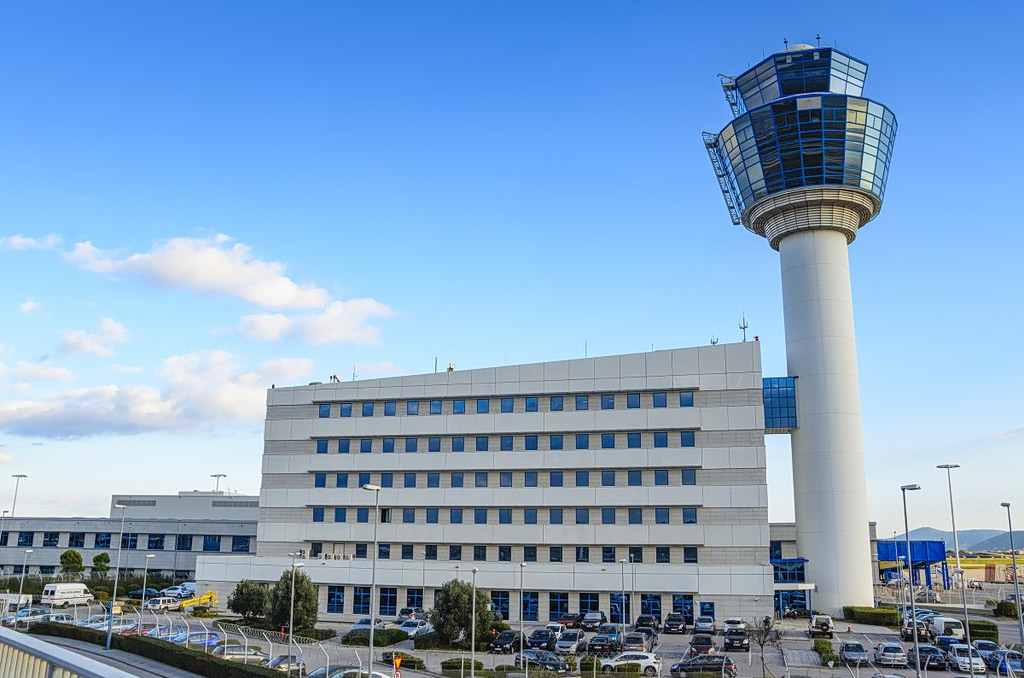




Athens International Airport is continuing to demonstrate resilience as one of Europe’s most dynamic air transport hubs, maintaining a positive trajectory into 2026 despite ongoing geopolitical instability in the Middle East.
The airport, officially known as “Eleftherios Venizelos,” reported continued growth in passenger traffic, although at a more moderate pace compared with previous years. Early-year data, including figures from March, show that demand remains on an upward trend.
Growth slows but remains positive
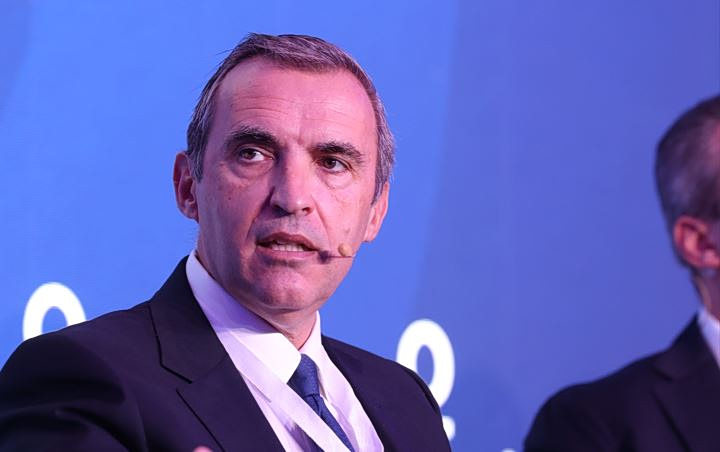
Speaking at the airport’s annual shareholders’ meeting, CEO Giorgos Kallimasias noted that travel flows from countries affected by regional conflicts account for approximately 7.5% of total passenger traffic in 2025.
He added that while some disruption has been recorded, it has not led to a complete loss of demand from the Middle East region.
“Just over half of the flights have been cancelled, while the rest continue to operate normally. We are not seeing a full loss of traffic from the Middle East, assuming the situation remains contained and resolves soon,” he said.
In March, passenger traffic growth slowed to 3.8% year-on-year, reaching 2.31 million travelers. International traffic rose by 3.4%, slightly below domestic growth of 4.8%, marking a reversal from earlier months when international demand had shown stronger expansion.
Fuel supply remains stable
Airport management also addressed concerns over aviation fuel supply, reassuring that operations remain secure.
The CEO explained that the airport has its own fuel storage facilities and distribution systems that deliver fuel directly to aircraft. He noted that fluctuations in oil prices do not directly impact the airport’s operations, as it neither buys nor sells fuel.
He added that strategic fuel reserves exist both on-site and within major national refineries, which also process crude oil into aviation fuel.
However, he cautioned that a broader European fuel shortage could still affect operations, even if local reserves are sufficient, particularly if destination airports face supply constraints.
€1.3 billion expansion program
The airport’s ambitious €1.3 billion expansion plan was also highlighted during the meeting. The project, expected to accelerate in 2026, aims to significantly increase capacity and improve passenger services.
Funding for the development program has already been secured through 2028, supported by financial instruments including a bond loan from Alpha Bank and a dividend reinvestment scheme. Major shareholders, including AviAlliance and Hellenic Corporation of Assets and Participations, continue to back the long-term strategy.
Non-aeronautical revenue is also expected to rise following the completion of a new multi-story facility, with further increases anticipated as additional commercial spaces are developed later in the decade.
The airport also confirmed a €204.86 million dividend distribution, with shareholders given the option to reinvest up to €100 million into company shares for a second consecutive year under the 2026 reinvestment program.
Source: tovima.com









![Ενοίκια: Πού και πόσο αυξήθηκαν οι τιμές [πίνακες]](https://www.ot.gr/wp-content/uploads/2026/07/ot_enoikia24-1024x600-1.png)