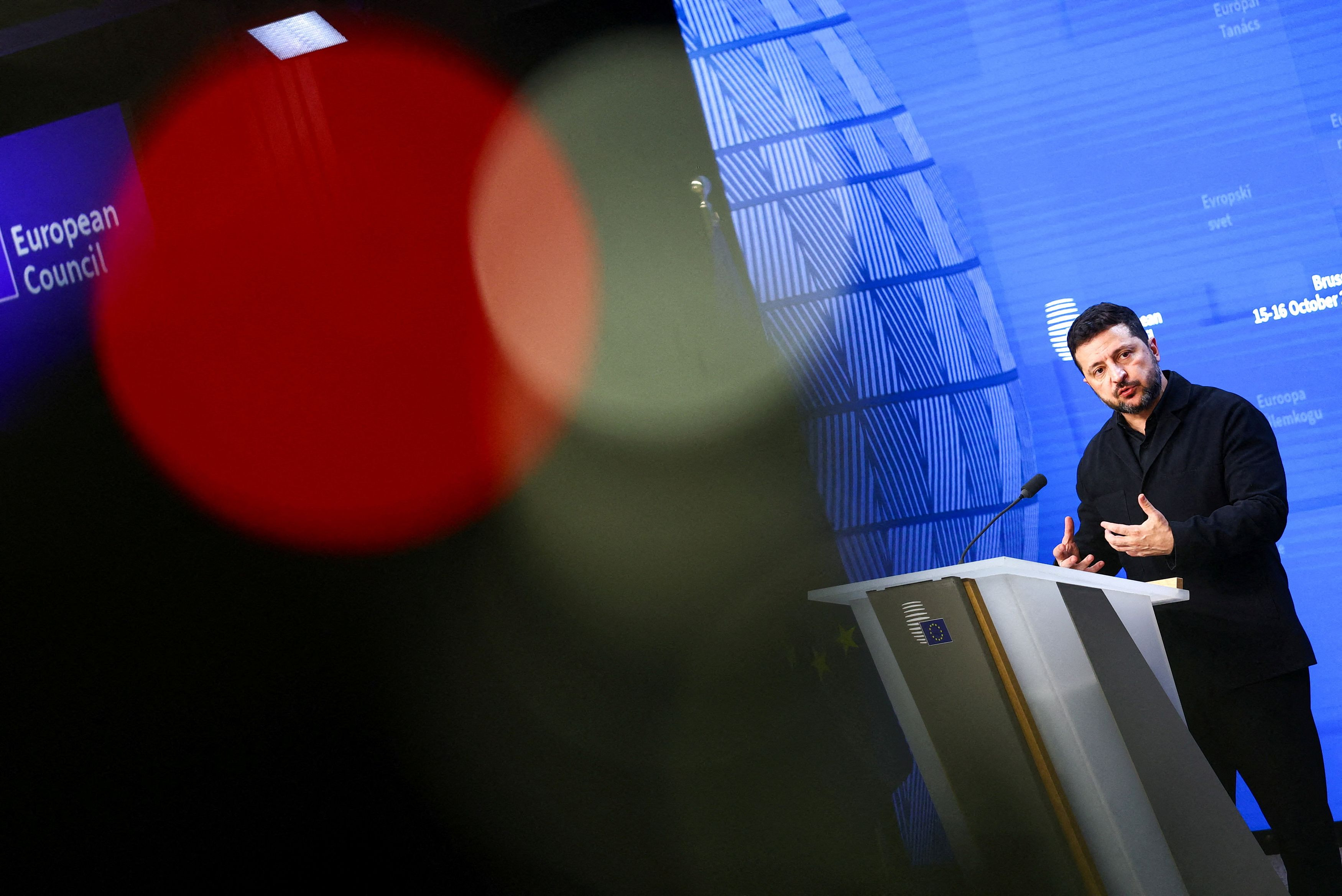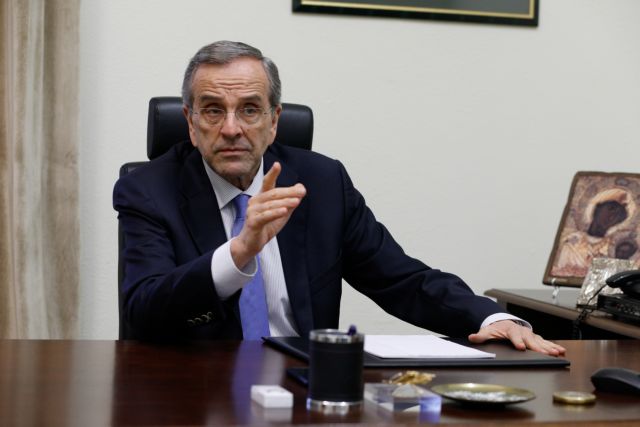



Against the backdrop of a Brussels summit that split Europe down the middle over soaring energy costs, Prime Minister Kyriakos Mitsotakis struck an upbeat note in his Sunday social media post.
The summit exposed a deep rift. Southern states (Italy, Greece, Spain, Portugal and Cyprus, joined by Poland) pressed for more spending room to confront an energy Armageddon. Germany, the Netherlands, Austria, Denmark, Sweden and Finland insisted on no fiscal loosening. The standoff leaves European households in limbo.
Mitsotakis instead chose to highlight that a Greek proposal had been cleared for further discussion. The plan calls for an emergency adjustment of EU fiscal rules during the energy crisis, so that countries running surpluses, such as Greece, could offer targeted support to households and businesses while the crisis lasts. He wrote that leaders had asked the Commission to bring forward proposals promptly, which in effect pushes the issue to the next summit on November 26.
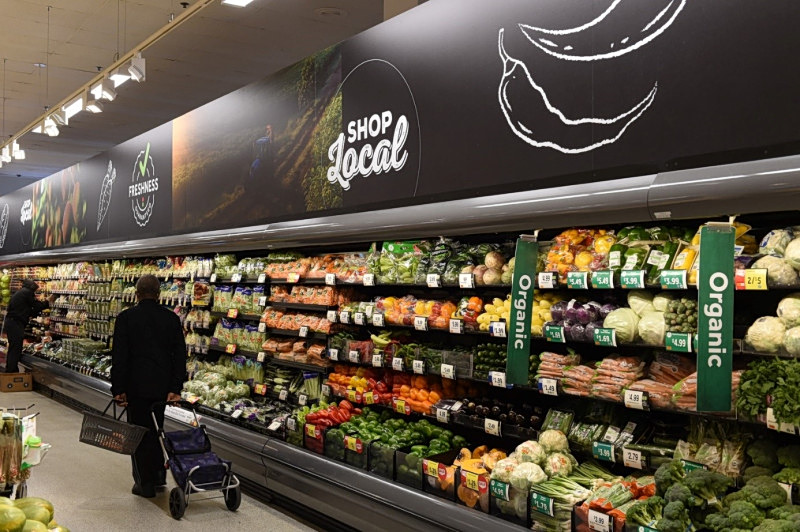
At home, the prime minister pointed to measures his government had announced with much fanfare this week. He said heating oil would be subsidized by 40 cents a liter, with the cost shared between the state and refineries, and that the heating allowance would rise by 30% regardless of fuel type. Heating oil would therefore sell for 1.55 euros rather than 1.95 euros a liter, he explained, and for roughly 1.35 euros for allowance recipients, benefiting nearly 1.2 million households. He did not mention that prices remain well above where they stood when distribution began last year.
He added that pump prices would drop by 20 cents for diesel and 10 cents for unleaded until October 31, with no applications or income criteria. He acknowledged that pressures remain heavy and pledged to adjust support as needed while keeping reserves for the hard months ahead.
Mitsotakis also cited a rise in the fishing fuel subsidy from 16 to 40 cents a liter for September and October. He also pointed to 15 million euros in compensation for coastal fishers whose nets have been damaged by protected marine species.
Source: tovima.com