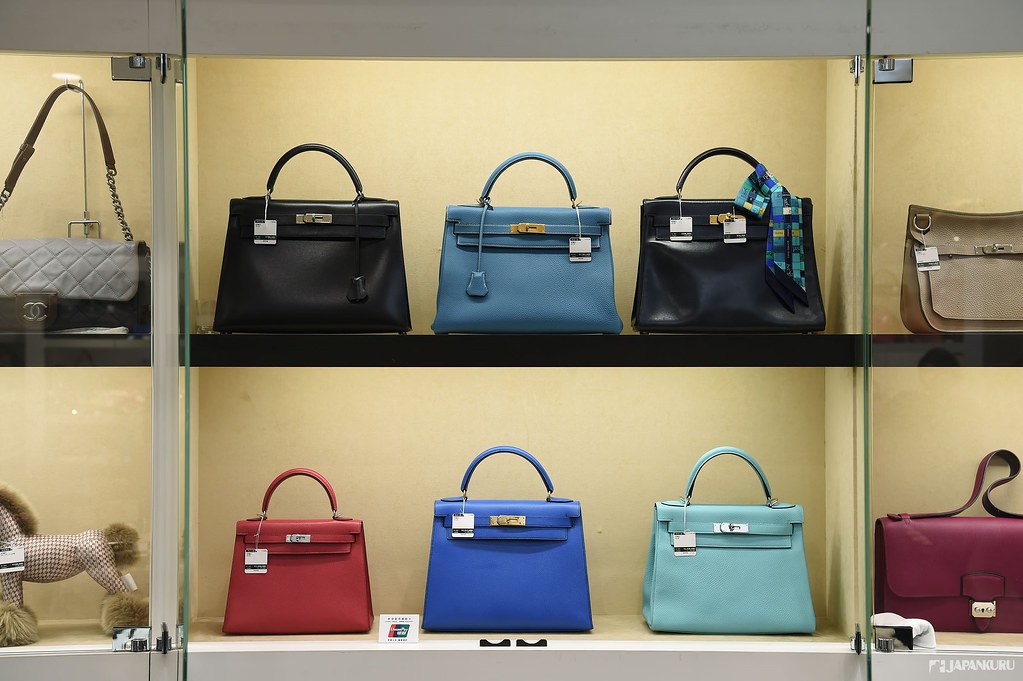




Greece’s summer sales season, which runs from early July through August 31, is on track to disappoint retailers for a second straight year, according to early survey data cited by Theodoros Kapralos, President of the Piraeus Traders Association.
Speaking to Greek broadcaster MEGA, Kapralos said a survey covering the first 20 days of July found that turnover fell at roughly half of businesses compared with the same period last year, with some reporting declines in the double digits. About 12 percent of retailers reported higher turnover. Kapralos said he expects fuller figures for the season, covering trends through the end of August, to be available soon, and he expressed hope the final numbers would look better than the early snapshot.
Consumers spend less on impulse
According to Kapralos, shoppers are still buying, but only when they see clear value for money. He described a marked shift in how Greek households prioritize spending compared with previous years, driven by tighter disposable income.
Government data cited by Kapralos indicate that roughly seven out of every 10 euros in the average household budget now goes toward essentials such as housing, energy and food, leaving little room for discretionary purchases even during the discount period. That squeeze, he said, has made impulse buying far less common, even when items are marked down.
Retailers, for their part, have made significant efforts to hold prices down during the sales period, Kapralos said. But he was careful to draw a distinction: a lower price tag does not translate into more spending power for a household already stretched thin by the cost of living. The strain on local retail markets, he added, is not confined to Piraeus but is being felt across the country.
A changed retail landscape since 2021
Kapralos argued that the structure of Greek retail has shifted fundamentally in recent years. Consumers now operate in what he called a fully globalized market, able to buy what they want, whenever they want, from wherever they want.
That shift has been compounded by a change in Greece’s regulatory framework. Since 2021, rules governing discount periods have allowed retailers to run promotions outside the traditional, government designated sales windows, reducing the pent up anticipation that once built around the official summer and winter sales.
Physical retailers operating from a fixed address in Greece remain subject to oversight from the country’s discount enforcement authorities, which can inspect whether markdowns comply with Ministry of Development rules and issue fines for violations. Kapralos said he supports that enforcement, arguing it rewards businesses that operate lawfully.
Online platforms and an uneven playing field
Kapralos said the picture is murkier online. He pointed to gaps in tax and customs oversight of foreign e-commerce platforms selling into Greece around the clock, arguing that this creates unfair competition for domestic retailers bound by strict rules.
He also raised concerns about product standards. Goods sold by European Union based retailers must meet specific EU regulatory requirements, he said, while some online platforms sell into the Greek market without facing the same checks. The result, in his view, is an uneven distribution of obligations, with European businesses carrying compliance burdens that online competitors can sidestep.
Households prioritize needs over wants
The combined effect, according to Kapralos, is a retail environment reshaped by tighter budgets and a global marketplace that has eroded the pull of Greece’s traditional sales calendar. Consumers are prioritizing necessities more strictly than in past years and pulling back on nonessential purchases, even during the discount period.
Businesses continue to compete for shoppers through price cuts and promotions, but the underlying pressure on household income remains the dominant force shaping how Greece’s retail sector performs this summer.
Source: tovima.com







![Τακτοποίησης Φορολογικών Υποχρεώσεων που προκύπτουν από την απώλεια ζωής [Μέρος Ε]](https://www.ot.gr/wp-content/uploads/2026/06/akin.jpg)