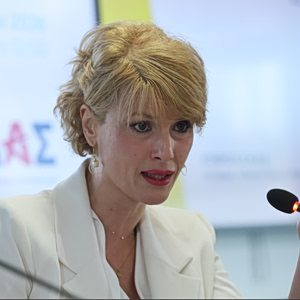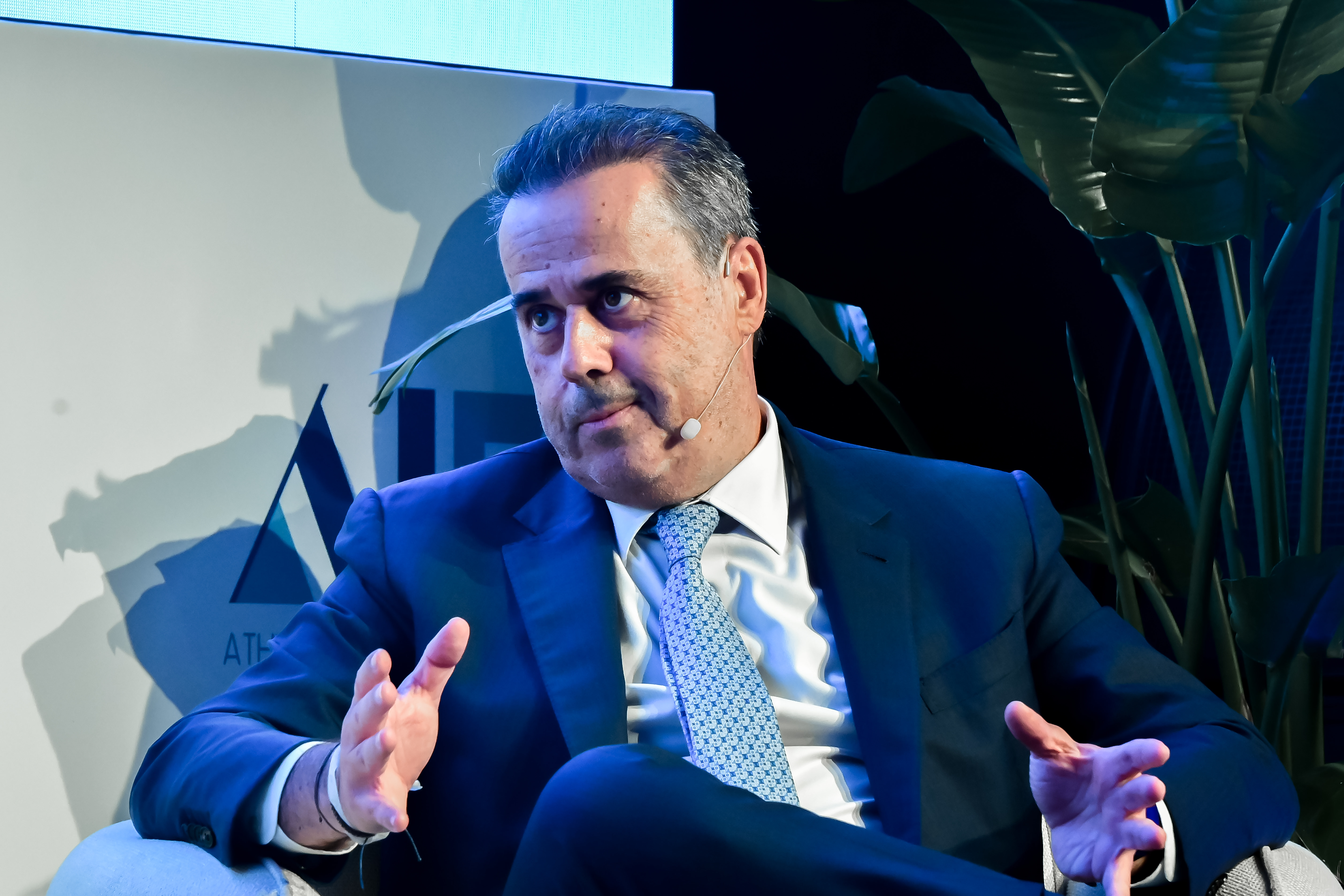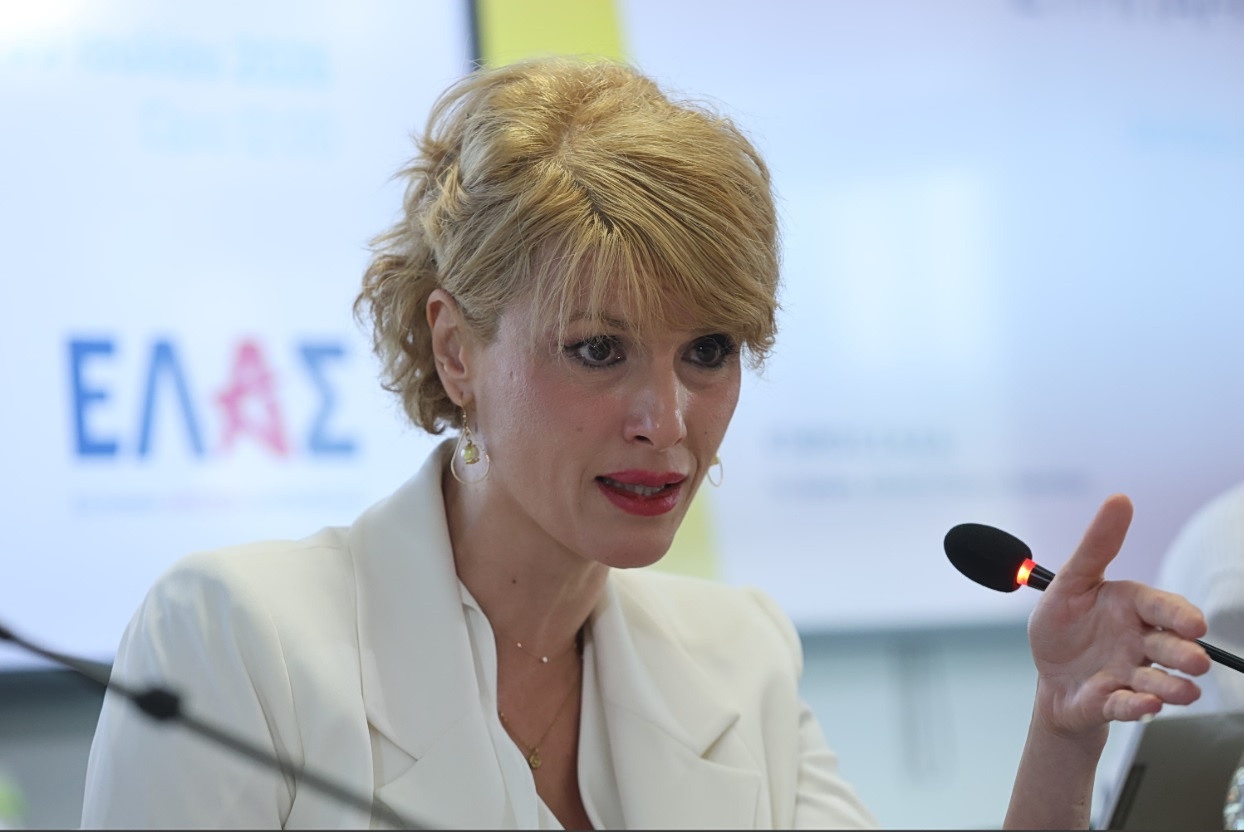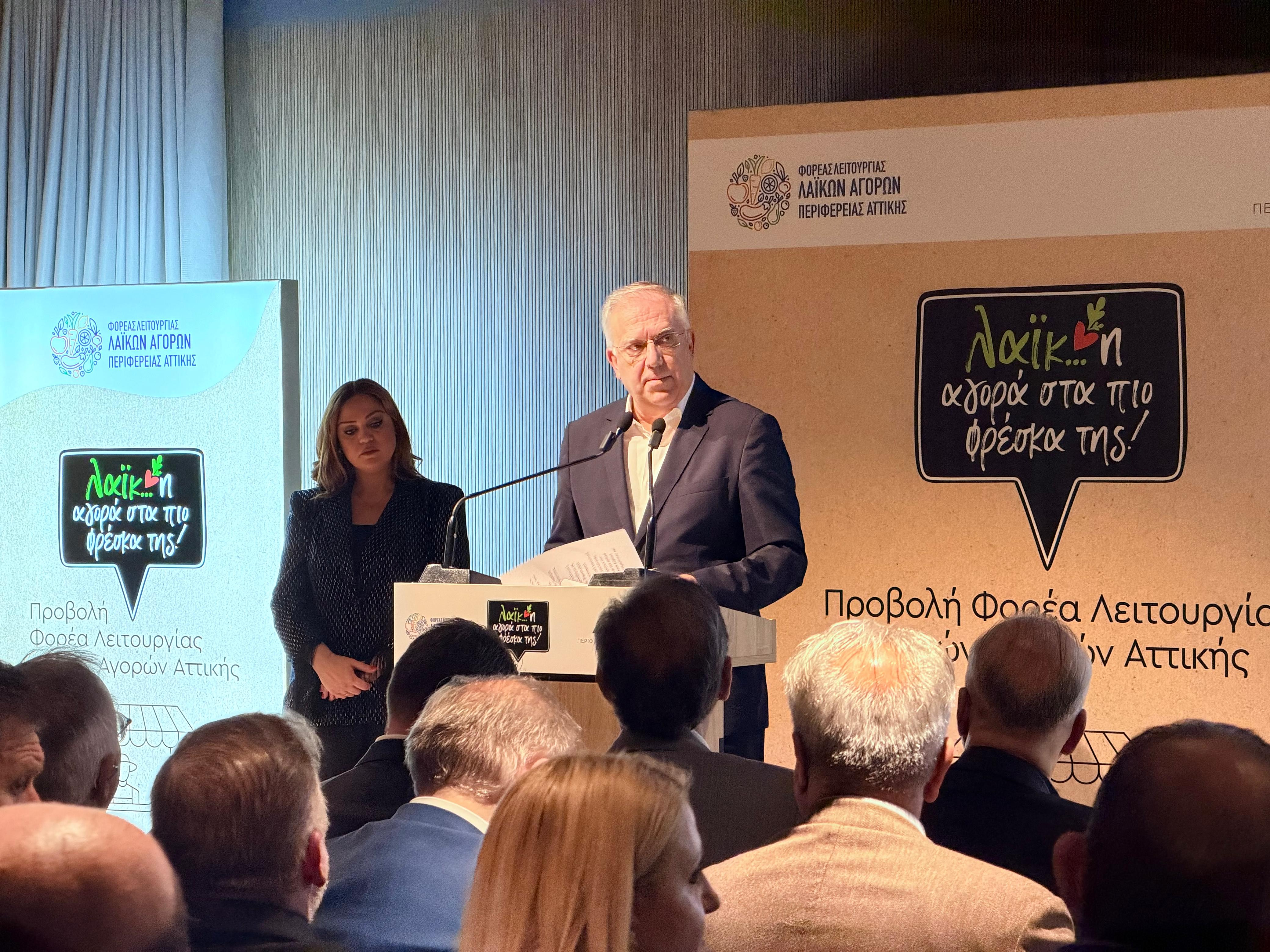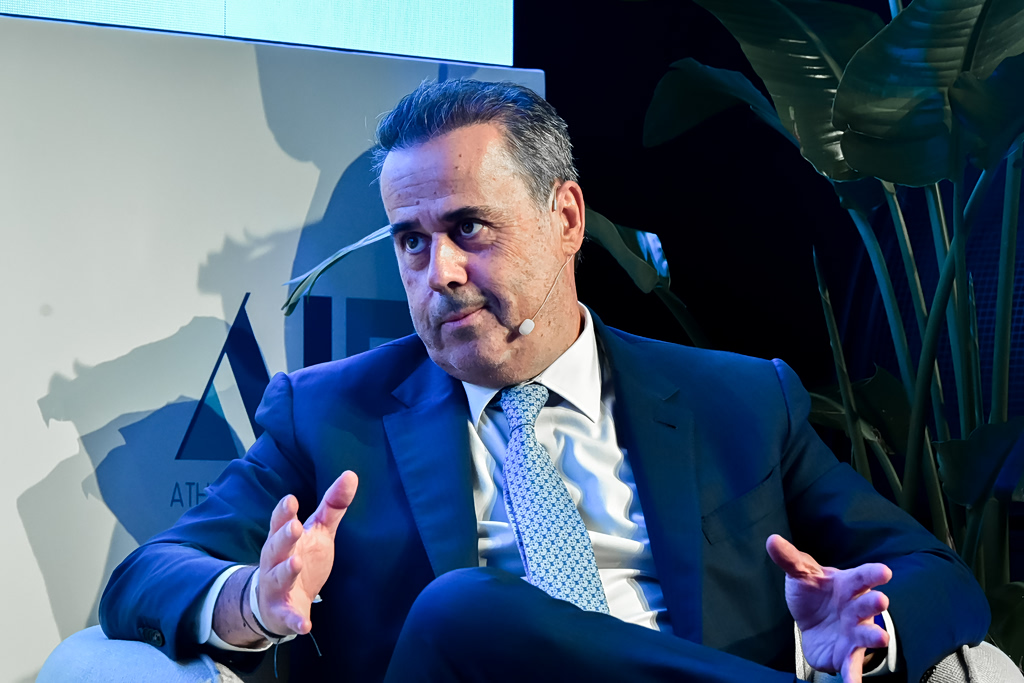
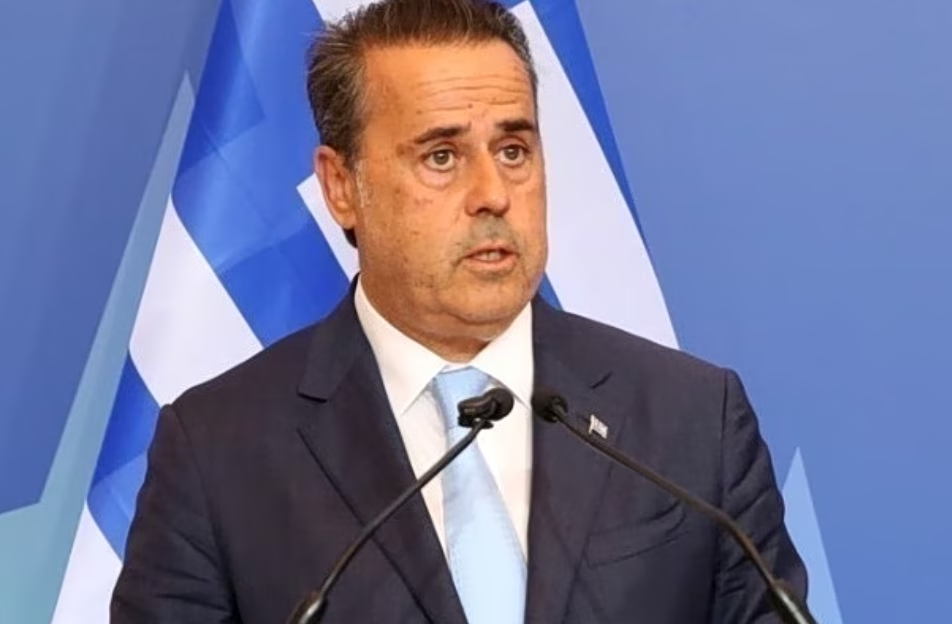

Greek Environment and Energy Minister Stavros Papastavrou has called for faster cuts in greenhouse gas emissions and stronger international cooperation at the COP31 climate summit in Antalya, Turkey. Papastavrou reaffirmed the Greek government’s commitment to the Paris Agreement and its goal of limiting global warming to 1.5 degrees Celsius above preindustrial levels, saying countries outside the European Union must also step up efforts to reduce emissions.
Speaking to the Athens Macedonian News Agency, he also welcomed the participation of the Republic of Cyprus, which Turkey does not recognize. Ankara had initially failed to invite Cypriot President Nikos Christodoulides to the summit, before extending an invitation following diplomatic efforts by Nicosia and support from the EU. Turkish President Recep Tayyip Erdogan was absent when Christodoulides arrived for the official welcome, leaving UN Secretary-General António Guterres to greet him alone.
Papastavrou welcomed the European Commission’s support for Cyprus, while emphasizing the need for collective action on climate change. “Climate change knows no borders, and tackling it requires a collective effort and a meaningful contribution from everyone,” he said. The minister identified electrification and the expansion of renewable energy as priorities, while stressing that the transition must also take account of economic competitiveness and social cohesion.
His call for faster emissions cuts comes as Prime Minister Kyriakos Mitsotakis’ government is pushing ahead with offshore hydrocarbon exploration, with Greece aiming to begin its first exploratory drilling operation in decades in early 2027. The minister has defended the government’s approach as one that combines investment in renewable energy with the development of domestic oil and gas resources. He has also argued that the transition to cleaner energy must also safeguard economic competitiveness and social cohesion.
Greece Points to Progress on Renewable Energy
The Greek government is using COP31 to highlight its shift away from lignite, a highly polluting form of coal, and the expansion of solar and wind power. According to figures cited by the Environment and Energy Ministry, lignite use has fallen by 90% compared with 2005, while solar and wind now account for more than half of domestic electricity generation.
Installed renewable energy capacity has nearly tripled since 2019, rising from 6.3 gigawatts to 18 gigawatts. The Ministry claims that Greece ranks third worldwide in the share of electricity generated from solar power and ninth in the share generated from wind power. The country has also been a net exporter of electricity since 2024, according to government figures.
Another part of the Greek energy strategy involves connecting more islands to the mainland electricity grid. The projects are intended to reduce reliance on local power stations that use polluting fuels, while cutting the additional generation costs passed on to electricity consumers.
The government is also moving forward with plans for two marine parks in the Aegean and Ionian seas, although neither has received final approval. The proposed park in the southern Cyclades is awaiting review by Greece’s highest administrative court, while the approval of an environmental study for the Ionian Islands has cleared the way for the next stage of the process.
Separately, the government has approved environmental studies covering 77.5% of Greece’s Natura 2000 network, a European Union initiative to protect important wildlife habitats and species.
The government has also introduced new environmental protections for Amorgos and Gyaros and completed a national water strategy. It has also published land use plans for renewable energy, tourism and industry, aimed at limiting the environmental impact of development.
Fossil Fuels Remain a Sticking Point at COP31
In Antalya, however, negotiators remain divided over some of the most contentious issues in global climate policy, including whether the final agreement should set a clear timetable for moving away from coal, oil and natural gas.
Major oil producers, including Saudi Arabia and Russia, have long resisted commitments to move away from fossil fuels, while India and other large developing economies argue that binding targets could restrict their economic development and energy choices. The EU has also softened its earlier support for a binding timetable over the past two years, and such a deadline is not expected to appear in the final agreement.
Negotiators are also divided over the role of electrification in cutting emissions, an issue closely linked to the Greek government’s energy priorities. Proposals under discussion would increase electricity’s share of final energy consumption but would not necessarily require additional electricity generation to come from renewable sources. The disagreement centers on whether greater electricity use should be treated as a climate objective in itself or explicitly linked to cleaner power generation and reduced dependence on fossil fuels.
European negotiators are also pushing to maintain the 1.5-degree target, halt and reverse deforestation by 2030 and strengthen international cooperation on the transition to cleaner energy.
Climate Financing Divides Wealthier and Developing Nations
Another major dispute concerns the goal of mobilizing at least $300 billion annually by 2035 to help developing countries address climate change. The EU wants to expand the group of contributors beyond traditional donor countries to include wealthy oil-producing states and emerging economies. It is also seeking greater transparency over how funding is distributed and used, with priority given to the least developed countries and small island states. European negotiators are also pushing for the increased financial support to be accompanied by more ambitious emissions reduction commitments.
Developing countries, however, are pressing for existing funding pledges to be fulfilled and are resisting stricter conditions on access to financial assistance. They have also expressed concern that more demanding climate targets could restrict their economic development. Disagreements extend to financing for climate adaptation and the Loss and Damage Fund, which is intended to help vulnerable countries cope with the consequences of climate-related disasters.
Questions remain over how a proposed tripling of adaptation financing should be implemented and measured, where the money should come from and how quickly countries affected by disasters should receive assistance.
Countries Clash Over Future Emissions Targets
The negotiations are also examining whether national commitments to reduce greenhouse gas emissions are sufficient to meet the Paris Agreement’s objectives.
The EU, small island states and the least developed countries are calling for deeper emissions cuts. Other developing countries insist that targets should remain nationally determined and oppose the introduction of additional commitments for specific economic sectors. The EU wants future national plans to cover all greenhouse gases and the entire economy, with transparent and reliable methods for measuring progress.
A further disagreement concerns the timing of future scientific assessments by the Intergovernmental Panel on Climate Change, the UN body responsible for assessing climate research. European negotiators and countries particularly vulnerable to climate change want the reports published early enough to inform the next global assessment of progress under the Paris Agreement. Other countries favor a later timetable.
Source: tovima.com