

A50-year-old woman from the Greek island of Chios lost the opportunity to receive a kidney transplant she had waited eight years for after the island’s airport closed, leaving her unable to travel to Athens in time for the operation.
The woman was notified on the morning of Tuesday, November 17, that a kidney had become available for her. However, the island’s airport had been closed the previous day, preventing her from taking a flight to the capital.
She contacted the Athens hospital to ask whether she could travel the following day. The alternative ferry journey would have taken eight to nine hours. Hospital officials told her that the transplant had to take place that same day, as the operation was scheduled for that evening.
She needed to reach Athens within hours to undergo preoperative examinations before surgery. Unable to arrive in time, she informed the hospital that she could not make the journey. The kidney was consequently offered to the next patient on the transplant waiting list.
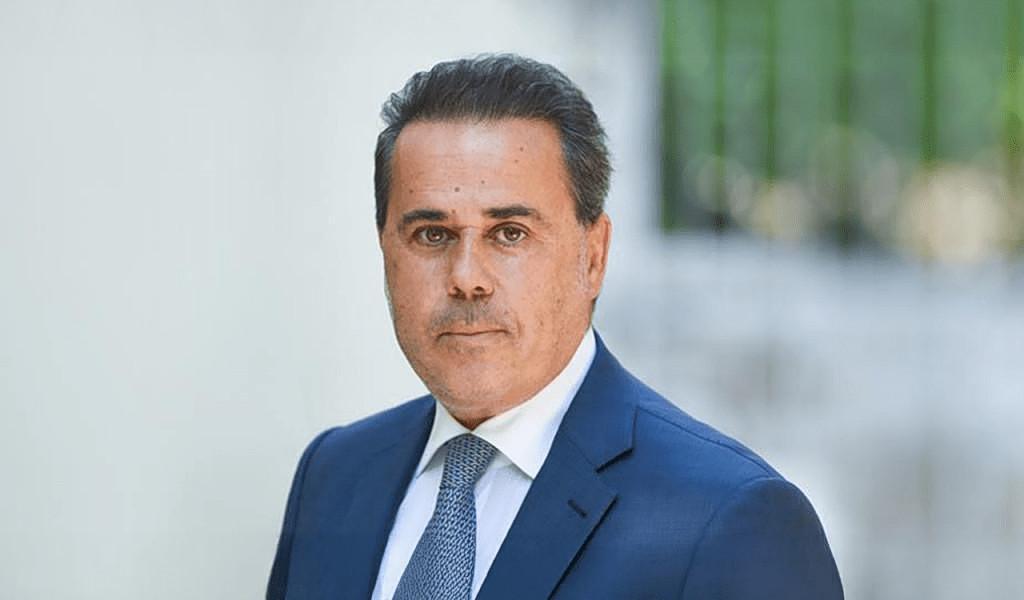
The case was reported to To BHMA by Michail Zannikos, president of the Chios Association of Kidney Patients and Transplant Recipients, who said the airport closure was having serious consequences for the island’s approximately 55,000 residents.
Patients face serious difficulties reaching hospitals
Zannikos said the incident illustrates the particular difficulties faced by people with chronic illnesses who depend on timely access to hospitals and specialized medical services outside the island.
“The closure of Chios Airport is a matter of health and human life,” he said.
“Kidney patients and transplant recipients know very well what it means for our health to depend on the reliability, continuity and timely provision of medical care. Our needs cannot wait or be postponed because of transportation problems,” he added.
Patients frequently need to travel to Athens or other major medical centers for examinations, specialized treatment, medical assessments and emergency care, he explained.
Transplant recipients also require specialized testing, for which blood samples are collected at Chios Hospital and sent to Athens. Depending on their condition, some patients may need to provide samples as often as twice a week.
Other situations require urgent transfers to hospitals in the capital. Zannikos cited the possibility of a catheter-related infection in a patient undergoing dialysis as an example of a medical emergency in which delays in accessing specialized care could be particularly dangerous.
“When airport operations are suspended, additional difficulties and uncertainty are created for people who are already struggling every day. This situation sets us back considerably. We are left hanging by a thread,” he said.
Zannikos stressed that the association was not seeking to obstruct necessary construction work or compromise aviation safety. However, he said authorities should have planned in advance for alternative transportation and ensured that island residents were properly informed about the consequences of the closure.
“Safety is nonnegotiable. But it is equally important to have timely planning, meaningful communication and measures to address the impact of suspending such an essential infrastructure service,” he said.
Chios Hospital warns of emergency transfer risks
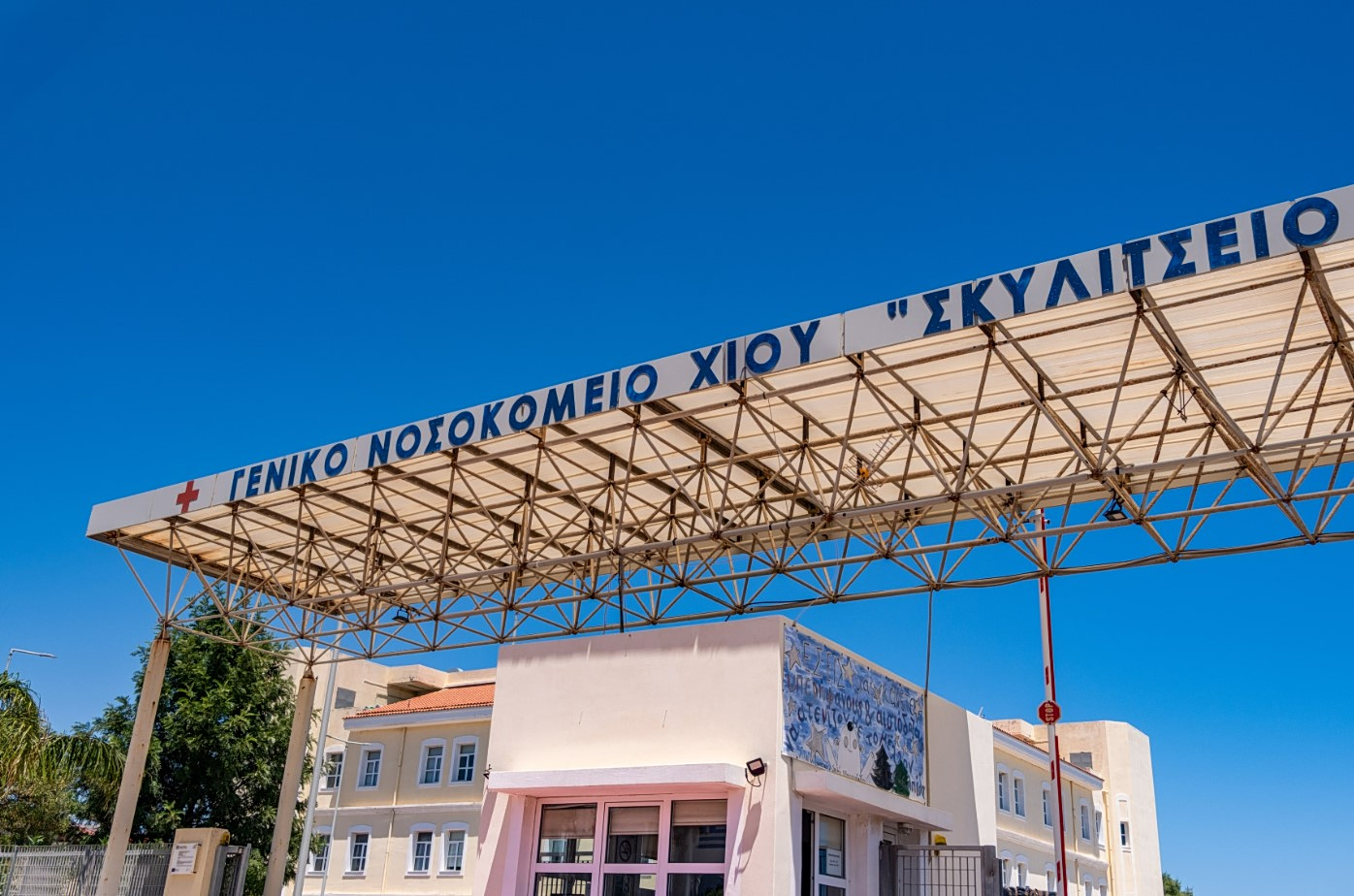
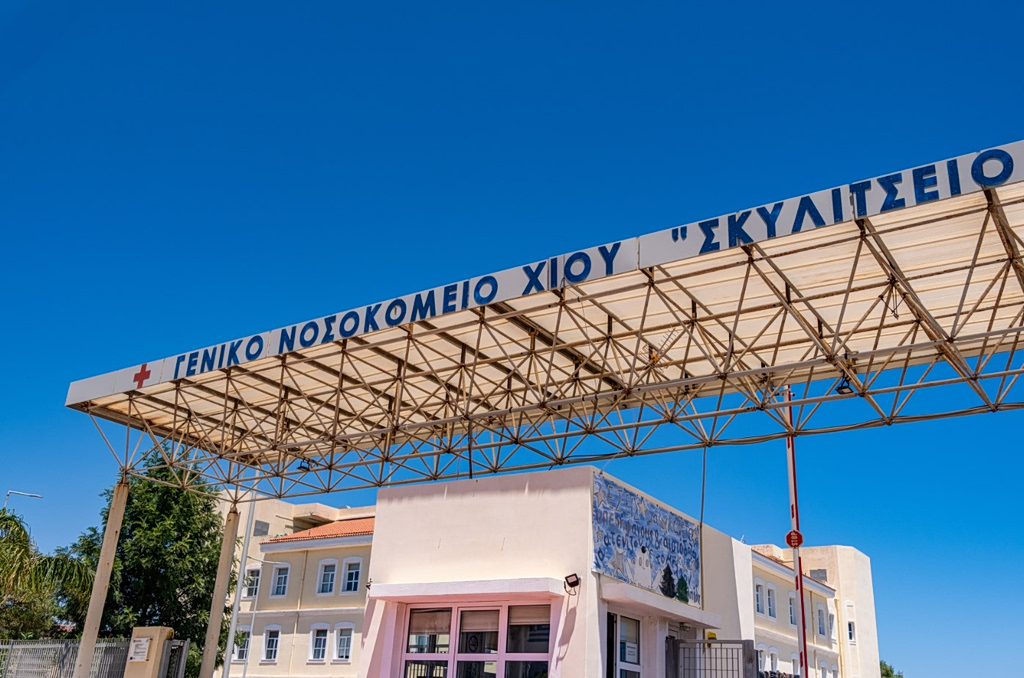
Panagiotis Sitaras, a nephrologist at Chios Hospital, also warned that the airport shutdown could complicate the management of medical emergencies requiring transfers to larger hospitals.
“There are cases that require transfers to tertiary hospitals,” he said, describing the overall situation as extremely difficult.
He pointed to the hospital’s pediatric department, where infants may sometimes need to be transferred urgently to a hospital in Athens. Problems involving blood products could also arise, further complicating emergency care.
“What we are experiencing during this period creates a real dystopia that the state should have prevented by taking the necessary measures in time,” Sitaras said.
Additional ferry services may begin December 1
A meeting held Thursday involving representatives of the Ministry of Infrastructure and Transport, the municipality of Chios and the North Aegean regional authority did not produce a substantial solution to the transportation problems.
According to Chios Mayor Giannis Malafis, the meeting confirmed that work at the island’s airport would last four months. Residents are still awaiting official confirmation of six additional ferry services, involving both high-speed and conventional vessels.
The conventional ferry journey from Chios to Piraeus, the port serving Athens, takes at least eight to nine hours. Once the high-speed services begin, travel time is expected to fall to approximately four hours, with routes to the ports of Lavrio or Rafina.
Malafis said the additional services could begin on December 1, although no official confirmation had been issued as of Friday.
source: tovima.com