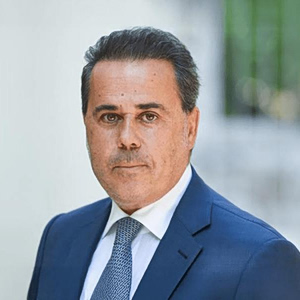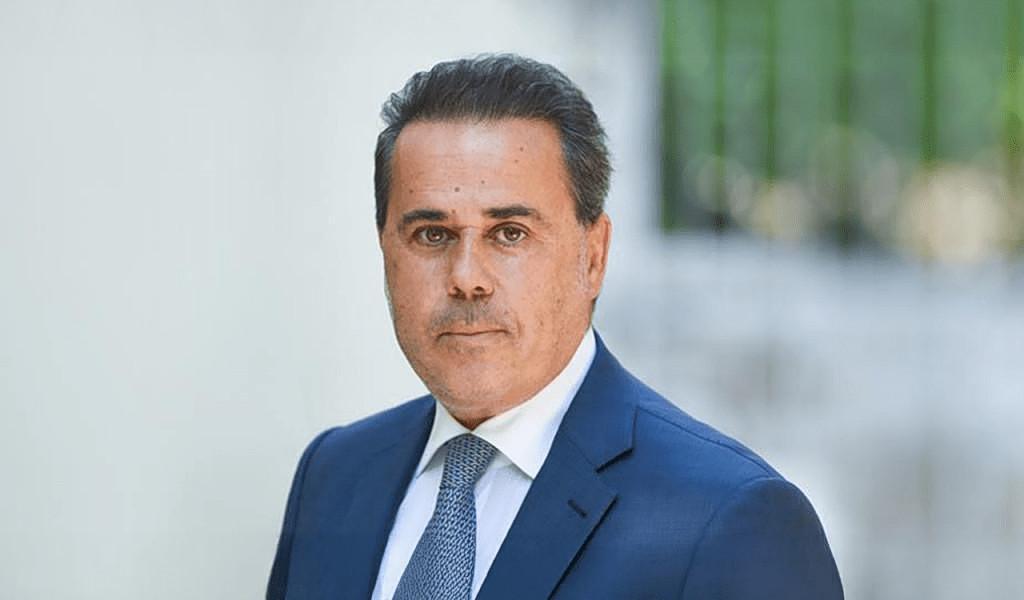


Greece wrapped up its participation in the 7th Partnership for Transatlantic Energy Cooperation (P-TEC) conference in Warsaw with a meeting between Environment and Energy Minister Stavros Papastavrou and US Energy Secretary Chris Wright. Their talks focused on Greece’s role as an energy gateway to Southeastern and Central Europe and on using the Vertical Corridor to its full potential.
The two officials discussed the next steps in ending Europe’s dependence on Russian gas, including using Greek infrastructure to send American gas to Central Europe through Bulgaria and Serbia. They agreed that the corridor’s technical and commercial obstacles have to be removed before it can run at full capacity and serve as a reliable alternative supply route. They also called for faster progress on electricity interconnections, which Greece sees as essential to an integrated, competitive European energy market.
“Greece and the United States are turning their strategic energy partnership into action,” Papastavrou said. “Through the Vertical Corridor, American LNG can flow from Greece to Southeastern and Central Europe, making a substantial contribution to ending reliance on Russian gas. At the same time, we are investing in electricity interconnections that link markets, bolster security of supply and make energy more competitive.”
Earlier, Papastavrou was a keynote speaker at an Atlantic Council Global Energy Center roundtable on transatlantic LNG trade as a foundation for energy security. He pointed to the progress made since last year’s P-TEC in Athens. One year on, he said, the nine countries and eleven transmission system operators behind the corridor “meet regularly and cooperate. We have improved the regulatory framework, doubled the actual volume of gas flowing through, and expanded with the addition of Serbia and North Macedonia.” He said the expansion matters for regional stability and energy security.
On the sidelines, Papastavrou held talks with Polish Energy Minister Miłosz Motyka and Hungarian Energy Minister István Kapitány. Their discussions centered on the Public Power Corporation’s (PPC) significant investments in both countries and on opportunities for new ones.
He also met his counterparts from Slovakia, Bulgaria, Romania and Croatia: Deputy Prime Minister Denisa Saková, Iva Petrova, Dumitru Chisăliță and Ante Šušnjar. They agreed to act together ahead of December’s EU Energy Council and ask Brussels for more flexibility under the national escape clause. That would let governments fund temporary, targeted energy support for households and businesses during the severe energy crisis.
Source: tovima.com